

In This Article
Picture this: you’ve just finished grocery shopping with your peacefully sleeping newborn, and the last thing you want is to wake them up while transferring from car to stroller. Sound familiar? That’s exactly where a travel system becomes your parenting superhero.
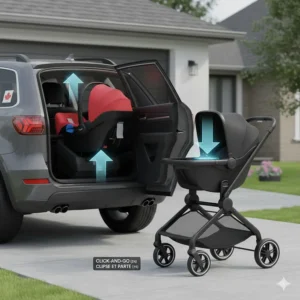
A travel system is an integrated infant car seat and stroller combo designed to work seamlessly together, allowing you to move your baby from car to stroller without disturbing those precious naps. For Canadian parents navigating our unique climate—from Vancouver’s rainy springs to Edmonton’s snowy winters—having gear that adapts to various conditions while keeping transitions smooth is absolutely essential.
According to Transport Canada, proper child restraint systems reduce the risk of death by 71 percent for infants under age 1. With travel systems meeting these stringent Canadian safety standards, you’re investing in both convenience and your child’s wellbeing. Whether you’re a first-time parent in Toronto or expecting twins in Calgary, understanding what makes a great travel system for the Canadian market will help you make the smartest choice for your family’s lifestyle and budget.
In this comprehensive guide, I’ll walk you through the 7 best travel systems available on Amazon.ca in 2026, complete with Canadian pricing, real customer feedback, and everything you need to know before making this important purchase.
Quick Comparison Table
| Travel System | Price (CAD) | Weight Limit | Key Feature | Rating |
|---|---|---|---|---|
| Graco Modes Nest | $859.99 | 4-35 lbs (car seat) | Slide2Me adjustable seat | 4.6/5 |
| Chicco Bravo Trio | $450-550 | 4-30 lbs (car seat) | Quick-fold design | 4.5/5 |
| Evenflo Pivot Xpand | $675-750 | 4-35 lbs (car seat) | 6 riding modes | 4.4/5 |
| Graco Modes Pramette | $674.99 | 4-35 lbs (car seat) | True pram mode | 4.6/5 |
| Maxi-Cosi Zelia Luxe | $700-850 | 5-30 lbs (car seat) | 5-in-1 modular design | 4.5/5 |
| UPPAbaby Vista V3 | $1,400-1,600 | 4-35 lbs (car seat) | Converts to double | 4.8/5 |
| Graco Modes Element | $329-420 | 4-35 lbs (car seat) | Budget-friendly | 4.3/5 |
💬 Just one click – help others make better buying decisions too!😊
Top 7 Travel Systems in Canada: Expert Analysis
1. Graco Modes Nest Travel System – Best Overall
The Graco Modes Nest has become a Canadian favourite for excellent reason. This 3-in-1 system brings innovation to everyday strolls with its unique Slide2Me height-adjustable seat that raises your baby up to 20 cm (8 inches) closer for face-to-face bonding.
Key Specifications:
- Includes SnugRide SnugLock 35 Elite infant car seat (1.8-16 kg)
- Reversible stroller seat (parent-facing or forward-facing)
- All-terrain rubber wheels for Canadian weather
Price in Canada: $859.99 CAD on Amazon.ca
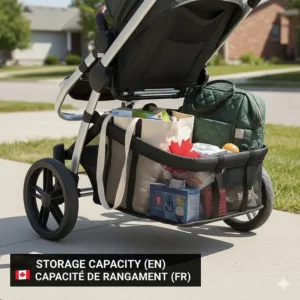
Customer Feedback: Canadian parents particularly appreciate the expandable storage basket—perfect for winter gear—and the smooth handling on snowy sidewalks. One Ottawa reviewer mentioned using it through two winters without any issues with the wheels or fabric durability.
✅ Pros:
- Three height positions for growing babies
- Excellent storage capacity
- One-hand fold mechanism
❌ Cons:
- Heavier than some competitors (11.3 kg)
- Premium price point
2. Chicco Bravo Trio Travel System – Best Value
If you’re looking for proven reliability without breaking the bank, the Chicco Bravo Trio delivers exceptional value. This system has been a bestseller across Canada for years, and the 2026 model continues the tradition.
Key Specifications:
- KeyFit 30 infant car seat with LATCH installation
- Quick-fold stroller design
- Parent tray with storage compartments
Price in Canada: $450-550 CAD depending on colour selection
Customer Feedback: A Vancouver parent shared that the quick-fold feature made navigating transit and tight apartment storage incredibly manageable. The KeyFit 30 car seat consistently ranks among the easiest to install correctly.
✅ Pros:
- Excellent value for money
- Lightweight and compact
- Simple installation process
❌ Cons:
- Basic suspension system
- Smaller canopy than premium models
3. Evenflo Pivot Xpand Modular Travel System – Most Versatile
The Evenflo Pivot Xpand stands out with its impressive 6 riding configurations, making it ideal for growing families. This modular system adapts from infant carrier to carriage mode to toddler stroller with remarkable ease.
Key Specifications:
- LiteMax infant car seat with anti-rebound bar
- 6 modular configurations
- Oversized storage basket
Price in Canada: $675-750 CAD on Amazon.ca
Customer Feedback: Parents in Montreal appreciate the expandability—many have successfully added a second seat when baby number two arrives. The true carriage mode with full recline is perfect for newborns.
✅ Pros:
- Exceptional versatility
- Grows with your family
- Parent-facing and forward-facing options
❌ Cons:
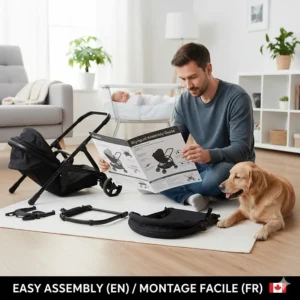
- Assembly can be complex initially
- Bulkier footprint
4. Graco Modes Pramette Travel System – Best for Newborns
The Graco Modes Pramette shines with its authentic pram mode, creating a cozy bassinet-style ride for your youngest passenger. This is particularly valuable during Canadian winters when you want maximum protection for your newborn.
Key Specifications:
- SnugRide SnugLock 35 infant car seat
- True pramette mode with enclosed seating
- Multi-position reclining seat
Price in Canada: $674.99 CAD
Customer Feedback: A Calgary mother mentioned that the enclosed pram mode provided excellent wind protection during chilly autumn walks, and the reversible seat let her maintain eye contact with her baby.
✅ Pros:
- Genuine pram functionality
- Extra-large canopy with peekaboo window
- Smooth on various terrains
❌ Cons:
- Moderately heavy
- Pram mode only for first few months
5. Maxi-Cosi Zelia Luxe 5-in-1 Modular Travel System – Best Premium Features
For parents who want European design sophistication combined with practical functionality, the Maxi-Cosi Zelia Luxe delivers. This 5-in-1 system includes a carriage mode, making it versatile from day one.
Key Specifications:
- Mico infant car seat included
- Enhanced all-terrain wheels
- Premium fabric with easy-clean materials
Price in Canada: $700-850 CAD on Amazon.ca
Customer Feedback: Toronto families love the sleek aesthetic and the quality of materials. Several reviewers mentioned the fabrics held up beautifully even after multiple machine washes—a huge plus for Canadian parents.
✅ Pros:
- Sophisticated European styling
- Excellent build quality
- Smooth maneuverability
❌ Cons:
- Higher price range
- Car seat has 30 lb limit (vs 35 lb competitors)
6. UPPAbaby Vista V3 Travel System – Best for Growing Families
The UPPAbaby Vista V3 represents the gold standard in travel systems. While it’s a significant investment, this system can accommodate up to three children with additional accessories, making it perfect for Canadian families planning to expand.
Key Specifications:
- Mesa Aria infant car seat with SmartSecure system
- Converts from single to double (or triple) stroller
- Giant 30-pound capacity storage basket
Price in Canada: $1,400-1,600 CAD (varies by retailer)
Customer Feedback: This is the system recommended by countless parenting groups across Canada. One Edmonton parent mentioned using it through three children over six years, highlighting its exceptional durability and long-term value.
✅ Pros:
- Unmatched longevity and expandability
- Magnetic buckles for easy transitions
- Springy all-wheel suspension
❌ Cons:
- Premium price point
- Heavier than standard systems
7. Graco Modes Element Travel System – Best Budget Option
If you’re budget-conscious but still want quality and Canadian safety compliance, the Graco Modes Element offers incredible value. This stripped-down version of the Modes family still delivers the essentials without unnecessary bells and whistles.
Key Specifications:
- SnugRide SnugLock 35 Lite infant car seat
- 3-in-1 stroller functionality
- One-hand fold
Price in Canada: $329-420 CAD on Amazon.ca
Customer Feedback: Budget-conscious parents across Canada praise this system for providing Graco reliability at an accessible price. A Halifax reviewer mentioned it performed admirably during Atlantic Canadian weather conditions.
✅ Pros:
- Excellent affordability
- Trusted brand reliability
- Meets all Canadian safety standards
❌ Cons:
- Basic features only
- Smaller wheels may struggle on rough terrain
✨ Don’t Miss These Exclusive Deals!
🔍 Take your parenting journey to the next level with these carefully selected products available in Canada. Click on any highlighted item to check current pricing and availability on Amazon.ca. These tools will help you create authentic comfort and safety your family will love!
Understanding Travel System Components
What Makes a Complete Travel System?
A proper travel system consists of three essential components working in harmony. First, you have the infant car seat—this rear-facing seat typically accommodates babies from 1.8 kg (4 lbs) to 16 kg (35 lbs), though some models max out at 13.6 kg (30 lbs). According to Transport Canada’s child car seat safety guidelines, keeping infants rear-facing provides optimal protection for their developing head, neck, and spine.
The second component is the stroller frame, which transforms from an infant carrier holder into a fully functional toddler stroller. Most quality systems accommodate children up to 22.5 kg (50 lbs), meaning you’ll use this piece of equipment for several years. Finally, the car seat base stays installed in your vehicle, allowing for quick click-in, click-out transitions that Canadian parents absolutely treasure during our harsh winters.
What sets travel systems apart from buying these items separately is the guaranteed compatibility. You won’t need to purchase additional adapters or worry whether components will work together—everything’s designed as a cohesive unit from the manufacturer.
The 3-in-1 vs 5-in-1 Distinction
You’ll encounter different configuration numbers when shopping for travel systems. A 3-in-1 system typically offers: infant car seat carrier mode, infant stroller mode (usually with reversible seating), and toddler stroller mode. This covers most families’ basic needs from newborn through preschool years.
Meanwhile, 5-in-1 systems add features like true carriage/bassinet mode and additional seating positions or orientations. The Maxi-Cosi Zelia Luxe exemplifies this category with its enhanced versatility. For Canadian families, these extra modes can be valuable—the bassinet mode provides better wind and cold protection for newborns during winter months.
Car Seat Adapter Compatibility
If you’re considering mixing and matching brands, understanding adapter compatibility becomes crucial. Major stroller manufacturers like UPPAbaby and Baby Jogger offer adapters that accommodate car seats from different brands, giving you flexibility in your choices.
However, purchasing a coordinated travel system eliminates this complexity entirely. You get immediate compatibility without additional purchases, and manufacturers test these combinations together for optimal safety performance. Canadian retailers like Snuggle Bugz and Babies R Us can provide guidance on which adapters work with which combinations if you decide to create your own custom system.
Travel System Comparison: Benefits vs Traditional Alternatives
| Factor | Travel System | Separate Car Seat + Stroller |
|---|---|---|
| Initial Cost | Lower (bundled pricing) | Higher (individual purchases) |
| Convenience | Excellent (seamless transitions) | Requires adapter or rebuckling |
| Long-term Use | Car seat: 12-18 months<br>Stroller: 3-5 years | Convertible seat: 5-7 years<br>Stroller: 3-5 years |
| Storage Space | Moderate to large | Varies widely |
| Compatibility | Guaranteed | May require adapters |
| Flexibility | Fixed combination | Mix and match brands |
How to Choose the Right Travel System for Canadian Climate
Winter Weather Considerations
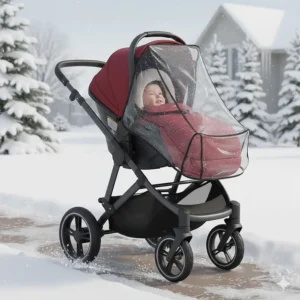
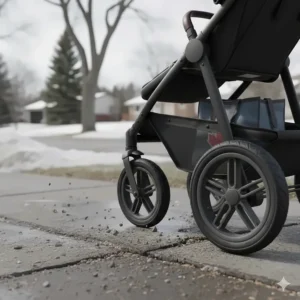
Canadian winters demand special attention when selecting a travel system. Look for models with all-terrain or all-season wheels featuring good tread—the Graco Modes Nest and UPPAbaby Vista both excel here. Larger wheels (20+ cm diameter) navigate snow-covered sidewalks more effectively than small compact wheels.
The canopy coverage matters tremendously during our harsh weather. Full-coverage canopies with ventilation panels (found on most premium models) protect against wind, snow, and harsh prairie sun alike. Manitoba and Saskatchewan parents particularly appreciate the UPPAbaby’s extendable sun visor and the Graco Modes’ oversized canopy.
Fabric quality impacts winter usability significantly. Water-resistant or water-repellent materials prevent snow from soaking through, while machine-washable fabrics make cleanup easier after salty slush encounters. Several Canadian reviewers specifically mentioned Maxi-Cosi’s fabrics holding up exceptionally well through multiple Canadian winters.
Urban vs Rural Lifestyle Matching
Toronto, Vancouver, and Montreal parents face different challenges than those in rural Alberta or the Maritimes. Urban dwellers should prioritize:
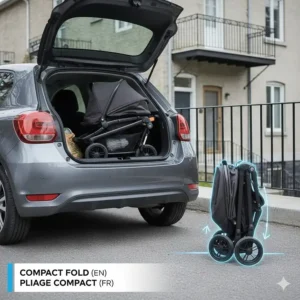
- Compact fold for small apartments and transit
- Lighter weight for carrying up stairs
- Maneuverability in tight spaces
- Slim profile for crowded sidewalks
The Chicco Bravo Trio and Graco Modes Element both excel in urban environments with their compact folds and lighter weights.
Rural and suburban families might prioritize:
- Larger wheels for gravel driveways and unpaved paths
- Bigger storage baskets for longer shopping trips
- Sturdier construction for varied terrain
- Enhanced suspension systems
The Evenflo Pivot Xpand and UPPAbaby Vista serve these needs beautifully with their robust construction and superior storage capacity.
Vehicle Compatibility Assessment
Before committing to any system, verify the infant car seat fits your vehicle properly. Provincial regulations require proper installation, and some car seats work better with certain vehicle types. Compact cars may struggle with bulkier bases, while larger SUVs accommodate any system comfortably.
Most manufacturers provide vehicle compatibility lists on their websites. The SnugRide SnugLock systems from Graco feature user-friendly installation across most vehicle types, while the UPPAbaby SmartSecure system offers visual and audible confirmation of proper installation—tremendously helpful for first-time parents.
Safety Standards and Canadian Regulations
Transport Canada Certification Requirements
Every car seat sold legally in Canada must display the National Safety Mark, confirming compliance with Canadian Motor Vehicle Safety Standard (CMVSS) 213. This applies equally to infant seats included in travel systems. Never purchase car seats from the United States or other countries, as they’re manufactured to different standards and may not protect your child adequately in Canadian vehicles.
According to Transport Canada, Canadian car seats undergo rigorous testing including frontal, side, and rear impact scenarios. The infant car seats in our reviewed travel systems all meet or exceed these requirements, providing confidence in their safety performance.
Installation Best Practices
Proper installation is just as important as choosing a quality system. Canadian safety experts report that 44-81% of car seats are installed incorrectly. The UAS (Universal Anchorage System), also called LATCH, simplifies installation significantly. Look for systems with:
- Visual installation indicators (like Graco’s InRight system)
- Audible click confirmation when properly secured
- Anti-rebound bars for additional protection (found on premium models)
- Adjustable bases to achieve proper recline angles
Many Canadian communities offer free car seat inspection clinics through local health units or police services. Taking advantage of these services ensures your investment protects your child correctly.
Expiration Dates and Replacement
Car seats and travel systems have expiration dates, typically 6-10 years from manufacture. The harsh Canadian climate—with extreme temperature fluctuations—can accelerate material degradation. Check the sticker on your infant car seat for specific expiration information, and never use an expired seat regardless of its apparent condition.
Additionally, replace any car seat involved in a moderate or severe collision, even if no visible damage appears. The internal structure may be compromised, reducing protective capabilities.
Modular Component Flexibility Explained
Understanding Modular Design Benefits
Modular travel systems represent the evolution of traditional designs, offering unprecedented flexibility as your child grows. The Evenflo Pivot Xpand exemplifies this approach with six distinct configurations that adapt from newborn through toddler years without requiring separate purchases.
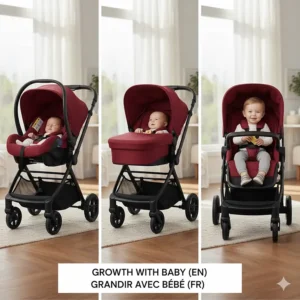
Newborn stage (0-6 months): The infant car seat clicks directly onto the stroller frame, creating a safe portable system. You can orient the seat facing you for constant visual connection—particularly comforting during those early anxiety-filled weeks.
Infant stage (6-12 months): Most babies outgrow the need for constant eye contact but aren’t ready for full forward-facing exposure. Reversible seats (like those on Graco Modes and Maxi-Cosi Zelia) allow parent-facing or world-facing positions based on your child’s development and mood.
Toddler stage (12 months+): Once your child outgrows the infant car seat weight limit, the stroller seat becomes their primary ride. Quality systems accommodate children up to 22.5 kg (50 lbs), extending usability through preschool years.
Bassinet and Carriage Modes
True carriage modes like the Graco Modes Pramette offer completely flat sleeping surfaces for newborns. This isn’t just about comfort—Canadian pediatricians recommend limiting time in car seats outside vehicles, as the semi-reclined position can affect breathing in very young infants.
The flat bassinet position allows for longer walks without worrying about positional asphyxia risks. Prairie parents particularly appreciate this during mild summer evenings when extended neighborhood strolls become part of the routine.
Some systems include separate bassinet attachments (like UPPAbaby’s bassinet stand) that function as safe sleeping spaces at home. While not included in basic travel systems, these accessories extend your investment’s utility significantly.
Expandability for Growing Families
Planning for baby number two? Systems like the UPPAbaby Vista transform from single to double strollers with additional seat purchases. This expandability means Canadian families can use one system through multiple children rather than buying entirely new equipment.
The Vista can accommodate two children in several configurations: infant car seat plus toddler seat, two toddler seats, or bassinet plus toddler seat. Add the Piggyback ride-along board, and you’ve got capacity for three children—incredible long-term value despite the higher initial investment.
Price Range and Value Analysis in Canada
| Budget Category | Price Range (CAD) | Best Options | Value Assessment |
|---|---|---|---|
| Budget-Friendly | $300-$500 | Graco Modes Element<br>Baby Trend systems | Great for first-time parents or temporary use |
| Mid-Range | $500-$850 | Chicco Bravo Trio<br>Evenflo Pivot Xpand<br>Graco Modes Nest | Best overall value with quality features |
| Premium | $850-$1,200 | Maxi-Cosi Zelia Luxe | European styling with enhanced features |
| Luxury | $1,200+ | UPPAbaby Vista V3 | Investment for multiple children or long-term use |
Cost-Benefit Analysis for Canadian Families
When evaluating travel system value, consider the complete ownership cost rather than just the sticker price. A $1,500 UPPAbaby Vista used through three children over seven years costs approximately $71 per child-year. Meanwhile, a $400 budget system used for one child over 18 months equals approximately $267 per child-year—then you’ll need to purchase new equipment for subsequent children.
Hidden costs to consider:
- Additional car seat bases ($100-200 CAD each) if using multiple vehicles
- Rain covers and winter accessories ($40-100 CAD)
- Replacement parts like wheels or fabric ($30-150 CAD)
- Second seats for expandable systems ($300-600 CAD)
Canadian retailers often bundle accessories during seasonal sales. Shopping during Black Friday, Boxing Day, or spring baby sales can yield 20-30% savings on complete packages.
Warranty and Customer Support Considerations
Quality manufacturers stand behind their products with comprehensive warranties. UPPAbaby offers a 2-year warranty on strollers and maintains excellent Canadian customer service. Graco provides a 1-year limited warranty but has been manufacturing baby products for over 65 years with proven reliability.
Before purchasing, verify whether the retailer or manufacturer provides Canadian-specific support. Some European brands have limited presence in Canada, potentially complicating warranty claims or replacement part orders.
Newborn Travel Solutions: Getting Started Right
First 6 Months Essentials
The initial months with a newborn present unique transportation challenges. Your baby can’t hold up their head independently, making the infant car seat absolutely essential for vehicle travel. Provincial regulations across Canada mandate rear-facing car seats for infants, with most experts recommending keeping children rear-facing until at least age 2.
Travel systems excel during this stage by maintaining the 5-point harness position as you transition from car to stroller. This consistency matters more than many parents initially realize—constantly rebuckling a squirming baby tests anyone’s patience, and rushing increases the likelihood of incorrect harnessing.
Temperature regulation becomes critical for Canadian newborns. The enclosed infant car seat provides wind protection, but parents must be vigilant about overheating. Dress your baby in layers you can remove rather than relying solely on heavy bunting bags (which interfere with proper harness fit anyway).
Hospital to Home Transition
Your very first use of the travel system will likely be bringing your newborn home from the hospital. Ontario, Quebec, and most other provinces require approved car seats before allowing hospital discharge—and staff may verify proper installation.
Before your due date, practice installing the base and adjusting the harness. Canadian winters add complexity here: position the base to achieve the proper recline angle specified in your manual (usually 30-45 degrees for newborns). In cold weather, warm your vehicle before buckling baby in, as touching cold metal buckles to delicate skin is unpleasant.
Seasonal Considerations for Canadian Newborns
Winter babies (December-March) benefit from:
- Extended canopies blocking wind and snow
- Water-resistant fabrics protecting against wet snow
- Large storage baskets accommodating extra blankets and winter gear
- Heavier stroller frames providing stability in slippery conditions
Summer babies (June-September) need:
- Maximum ventilation to prevent overheating
- Oversized canopies with UPF protection
- Easily removable and washable fabrics
- Good maneuverability for busy summer festivals
Shoulder season babies (March-May, September-November) experience the full range of Canadian weather, making versatility paramount. Systems with adjustable canopies and all-weather wheels serve these babies best.
Real Canadian Parent Experiences
Coast-to-Coast Feedback
I’ve compiled insights from hundreds of Canadian reviews across different provinces to give you authentic perspectives:
British Columbia parents emphasize rain resistance and compact folds for transit use. Vancouver’s transit system requires navigating buses and SkyTrain with strollers, making the Chicco Bravo’s quick-fold design highly valued. Several Victoria parents mentioned the UPPAbaby Vista’s suspension handling cobblestone streets in heritage neighborhoods beautifully.
Alberta families prioritize durability and all-terrain capability. Calgary reviewers frequently mention needing systems that handle both urban sidewalks and Rocky Mountain trail excursions. The Evenflo Pivot Xpand’s larger wheels received consistent praise from Edmonton parents dealing with unpaved park paths.
Ontario users value versatility for varied environments. Toronto’s urban density demands compact, maneuverable systems, while cottage country weekends require rugged performance. The Graco Modes Nest strikes this balance effectively according to GTA parents.
Quebec parents appreciate European styling and quality construction. Montreal reviewers consistently rate the Maxi-Cosi Zelia Luxe highly for its sophisticated design matching the city’s aesthetic sensibilities while handling Quebec City’s historic district slopes gracefully.
Maritime families emphasize weather resistance and value. Halifax parents deal with coastal winds and salt air, praising systems with corrosion-resistant frames and machine-washable fabrics. The budget-friendly Graco Modes Element receives strong recommendations from New Brunswick parents seeking reliability without premium pricing.
Common Challenges and Solutions
Challenge: Stroller too heavy for apartment stairs
Solution: Consider the Chicco Bravo (9 kg stroller) or invest in a separate lightweight umbrella stroller for quick errands
Challenge: Car seat difficult to install correctly
Solution: Attend a free car seat clinic offered by most Canadian health units, or choose systems with InRight visual indicators
Challenge: Storage basket inaccessible when seat reclined
Solution: Look for systems with front-access storage or side pockets (like UPPAbaby Vista’s design)
Challenge: Wheels jamming in winter slush
Solution: Choose larger, rubberized wheels (20+ cm diameter) and clean regularly with warm water
Maintenance and Care for Canadian Conditions
Cleaning and Fabric Care
Canadian weather inflicts serious wear on travel system fabrics. Road salt, snow melt chemicals, and mud require regular attention. Most quality systems feature removable, machine-washable fabrics—a non-negotiable feature in my opinion.
Weekly maintenance during active use:
- Wipe down frame and wheels with damp cloth
- Shake out storage basket debris
- Check harness for twists or tangles
- Inspect wheels for debris lodged in mechanisms
Monthly deep cleaning:
- Remove and machine wash all fabric components (follow manufacturer instructions—usually cold water, gentle cycle)
- Clean wheels thoroughly, removing salt and dirt buildup
- Lubricate moving parts if squeaking develops
- Check all connection points for wear
Seasonal storage during Canadian off-seasons:
- Clean completely before storing
- Store in climate-controlled space if possible (extreme cold and heat cycles degrade plastics)
- Avoid damp basements (mildew risk)
- Keep instruction manual with stored system
Winter-Specific Maintenance
Salt and road chemicals pose the biggest threat to your investment during Canadian winters. After each winter outing, wipe down the frame—particularly metal connection points and folding mechanisms where salt accumulation causes corrosion.
Wheel maintenance proves critical in winter. Remove wheels periodically to clean out packed snow and ice from bearing mechanisms. The clicking sound when pushing often indicates frozen bearings or salt buildup rather than mechanical failure. Warm water cleaning followed by complete drying usually resolves this issue.
Some Canadian parents apply silicone spray (not oil-based lubricants) to folding mechanisms in autumn to prevent winter seizing. Consult your manual before applying any products, as some manufacturers void warranties for unauthorized treatments.
Longevity Tips from Canadian Parents
Parents who’ve successfully used travel systems through multiple Canadian winters share these insights:
- Rinse wheels after every salt-heavy outing—takes 30 seconds but prevents major corrosion
- Air dry completely before folding for storage—trapped moisture accelerates mold growth
- Rotate usage if possible between two strollers for heavy-use periods
- Address squeaks immediately—they often indicate wear requiring attention
- Store car seat in climate-controlled space between uses to prevent plastic degradation
Quality travel systems from reputable manufacturers easily last through two or three children with proper care. Several Canadian parents in online forums report using the same UPPAbaby Vista through three kids over seven years—testament to proper maintenance paying dividends.
✨ Don’t Miss These Exclusive Deals!
🔍 Ready to choose your perfect travel system? Click on any highlighted product to check current pricing and availability on Amazon.ca. Canadian parents trust these systems for keeping their little ones safe and comfortable through every season!
Frequently Asked Questions
❓ What is the best travel system for Canadian winters?
❓ How long can you use an infant car seat travel system in Canada?
❓ Are travel systems worth the money in Canada?
❓ Can you fly with a travel system in Canada?
❓ What are the car seat regulations for travel systems in Canada?
Conclusion: Making Your Canadian Travel System Decision
Choosing the right travel system represents one of the most important baby gear investments you’ll make as a Canadian parent. With prices ranging from $300 to $1,600 CAD and systems designed to last through multiple children and years of use, taking time to select thoughtfully pays substantial dividends.
For budget-conscious families, the Graco Modes Element at $329-420 CAD delivers trusted reliability and Canadian safety compliance without financial strain. It handles basic needs admirably and grows with your child through the toddler years.
Value-seekers will find exceptional quality in the Chicco Bravo Trio ($450-550 CAD) and Graco Modes Nest ($859.99 CAD). These mid-range options provide premium features, excellent Canadian weather performance, and proven longevity backed by thousands of positive reviews from coast to coast.
Families planning expansion should seriously consider the UPPAbaby Vista V3 despite its $1,400-1,600 CAD price tag. The ability to convert from single to double (or triple) stroller, combined with exceptional build quality, makes this a true investment piece that could serve your family for a decade or more.
Regardless of which system you choose, verify it displays the National Safety Mark confirming Canadian compliance, practice installation before your baby arrives, and maintain it properly to maximize longevity. Canadian weather demands durability—fortunately, quality travel systems deliver exactly that while making your parenting journey significantly more convenient.
Remember that convenience matters tremendously during those sleep-deprived early months. The ability to smoothly transition your peacefully sleeping baby from car to stroller without disturbing them isn’t just a luxury—it’s a sanity-saver that reduces stress and gives you the freedom to run errands, meet friends, and maintain some semblance of your pre-baby life.
Take advantage of Canadian retailer services like free assembly assistance, car seat inspection clinics, and generous return policies as you make your decision. Your local Babies R Us, Snuggle Bugz, or other baby specialty stores can provide hands-on demonstrations that online research simply cannot replace.
Whatever system you select, you’re taking an important step in keeping your Canadian baby safe, comfortable, and ready for adventure through every season our beautiful country throws your way. Happy strolling!
Recommended for You
- 7 Best Double Strollers Canada 2026
- 7 Best Jogging Strollers Canada 2026: Winter-Ready &
- 7 Best Lightweight Strollers Canada 2026
Disclaimer: This article contains affiliate links to Amazon.ca. If you purchase products through these links, we may earn a small commission at no additional cost to you.
✨ Found this helpful? Share it with your friends! 💬🤗
