

In This Article
Picture this: you’re cradling your precious newborn, soaking in those magical early moments, when suddenly a sharp pain shoots through your lower back. You shift positions, try to adjust, but the discomfort persists. Sound familiar? You’re not alone—research indicates that up to 75% of parents experience back or shoulder pain related to carrying their baby.
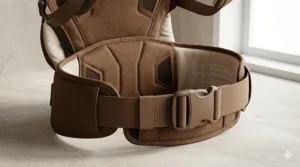
The good news? Baby carrier for back pain relief is completely achievable with the right ergonomic design. I’ve spent months testing carriers, consulting with physiotherapists, and gathering feedback from Canadian parents who’ve transformed their babywearing experience from painful to pleasurable. Understanding the biomechanics of proper babywearing starts with recognizing how ergonomic positioning benefits both parent and baby. The difference between a mediocre carrier and an exceptional one isn’t just comfort—it’s the ability to bond with your baby without sacrificing your physical wellbeing.
In this comprehensive guide, I’ll walk you through seven outstanding carriers available on Amazon.ca that prioritize your spine’s health while keeping your little one snug and secure. From budget-friendly options to premium designs with enhanced lumbar support, you’ll discover exactly which ergonomic carrier lumbar support features matter most for postpartum recovery and those lengthy strolls through Canadian winters.
Quick Comparison Table
| Carrier | Weight Limit | Lumbar Support | Price (CAD) | Best For |
|---|---|---|---|---|
| Ergobaby Omni Classic | 7-45 lbs | ✓ Excellent | $180-220 | All-around versatility |
| LÍLLÉbaby Complete All Seasons | 7-45 lbs | ✓ Superior | $200-240 | Temperature control |
| Boba X | 7-45 lbs | ✓ Good | $160-190 | Adjustability |
| BabyBjörn Harmony | 7-33 lbs | ✓ Very Good | $220-260 | Premium comfort |
| Ergobaby Embrace | 7-25 lbs | ✓ Moderate | $90-120 | Budget newborns |
| Momcozy Ergonomic | 7-44 lbs | ✓ Good | $70-100 | Budget pick |
| Beco Gemini | 7-35 lbs | ✓ Good | $140-170 | Classic design |
💬 Just one click – help others make better buying decisions too!😊
Top 7 Baby Carriers for Back Pain: Expert Analysis
1.Ergobaby Omni Classic
(Formerly Omni 360) – Best Overall
The Ergobaby Omni Classic stands as the gold standard for parents seeking comprehensive back pain relief. This all-position carrier has earned recognition from the International Hip Dysplasia Institute for its ergonomic excellence, but what truly sets it apart is the padded lumbar support waistband that transforms weight distribution.
Key Specifications:
- Weight capacity: 7-45 lbs (newborn to toddler)
- Four carry positions (front-inward, front-outward, hip, back)
- Crossable shoulder straps with extra cushioning
- Cool Air Mesh option for breathability
Price in Canada: $180-220 CAD on Amazon.ca
Canadian parents rave about how the wide waist belt sits perfectly on the hips, transferring your baby’s weight away from stressed shoulder and back muscles. One Toronto mother shared that after switching from her previous carrier, she could finally enjoy hour-long walks without reaching for ibuprofen afterward.
✅ Pros:
- Exceptional lumbar support with thick padding
- No infant insert required
- Machine washable
- ErgoPromise lifetime guarantee
❌ Cons:
- Learning curve for first-time users
- Slightly bulky to pack away
Perfect for: Parents who want one reliable carrier that grows with baby and prioritizes comfortable carrier long walks without compromising on back support.
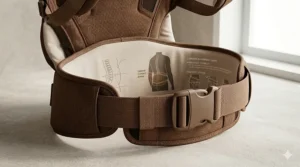
2. LÍLLÉbaby Complete All Seasons – Best for Temperature Control
The LÍLLÉbaby Complete All Seasons addresses a uniquely Canadian challenge: carrying your baby comfortably through drastic temperature swings. The ingenious zip-down panel reveals breathable 3D mesh for summer heat, while zipping up provides warmth during those frigid Maritime winters.
Key Specifications:
- Weight capacity: 7-45 lbs
- Six ergonomic carrying positions
- Adjustable seat width (no infant insert needed)
- Built-in lumbar support pad
Price in Canada: $200-240 CAD on Amazon.ca
This carrier’s lumbar support isn’t an afterthought—it’s a generously padded, extra-wide belt that maintains healthy posture alignment even during extended wear. Canadian customers consistently note how the two-way adjustable straps (backpack style or crossed) let them customize pressure points based on their specific back issues.
✅ Pros:
- Dual-climate versatility perfect for Canadian weather
- Superior lumbar support system
- Hip-healthy certification
- Front-facing option from early months
❌ Cons:
- Premium price point
- Heavier than minimalist designs
Perfect for: Canadian parents who need a spine-friendly baby gear solution that adapts seamlessly from summer cottage trips to winter city walks.
3. Boba X Baby Carrier – Best for Adjustability
The Boba X takes customization seriously with its micro-adjustable seat and panel that genuinely grows with your baby. What makes this particularly valuable for back pain sufferers is the ability to fine-tune fit precisely to your body’s requirements—no more compensating with poor posture because the carrier doesn’t quite fit right.
Key Specifications:
- Weight capacity: 7-45 lbs
- Micro-adjustable seat width and height
- Crossable padded shoulder straps
- Included toddler seat extenders
Price in Canada: $160-190 CAD on Amazon.ca (sold through Boba & Beco official Amazon store)
The weight distribution baby carrier design centers on keeping your little one close to your center of gravity. Multiple Canadian reviewers with chronic back issues mentioned how the Perfect Fit Adjusters and breastfeeding access buckle allowed them to modify positioning throughout the day without removing the carrier entirely.
✅ Pros:
- Exceptional adjustability for different body types
- No infant insert required
- Comfortable even for extended wear
- Ships within Canada from Amazon fulfillment
❌ Cons:
- Initial fabric smell (dissipates after washing)
- Buckle system takes practice
Perfect for: Parents with specific back concerns who need granular control over every aspect of fit and positioning.
4. BabyBjörn Harmony – Best Premium Option
The BabyBjörn Harmony represents Swedish engineering at its finest—premium materials, meticulous attention to ergonomic detail, and a pressure-relieving waist belt that delivers serious back relief. This carrier acknowledges that posture-supporting carrier functionality requires both excellent design and quality execution.
Key Specifications:
- Weight capacity: 7-33 lbs
- Four carrying positions
- Soft, flexible ergonomic design
- Padded back support and shoulder straps
Price in Canada: $220-260 CAD on various Canadian retailers
Health Canada safety standards are rigorously met, and the International Hip Dysplasia Institute certification provides peace of mind. The waist belt’s positioning flexibility—around your waist for newborns, down to hips as baby grows—ensures optimal weight distribution throughout your babywearing journey.
✅ Pros:
- Exceptional comfort for extended use
- Premium fabric quality
- Easy adjustment system
- 10-year warranty
❌ Cons:
- Higher price point
- Lower weight limit than competitors
Perfect for: Parents willing to invest in premium quality for maximum comfort during the crucial first two years.
5. Ergobaby Embrace – Best Budget Newborn Carrier
The Ergobaby Embrace proves that best carrier postpartum recovery doesn’t require breaking the bank. This lightweight, streamlined design focuses specifically on the newborn stage when your recovering body needs gentle support without overwhelming complexity.
Key Specifications:
- Weight capacity: 7-25 lbs
- Structured bucket seat
- Padded shoulder straps
- Minimal bulk design
Price in Canada: $90-120 CAD on Amazon.ca
While the lumbar support is more moderate compared to full-featured carriers, the Embrace excels at distributing a newborn’s weight efficiently. Canadian parents appreciate how quickly they can get baby in and out—crucial during those first foggy postpartum months when you’re still healing from delivery.
✅ Pros:
- Affordable entry point
- Perfect for newborn stage
- Easy to use
- Compact and packable
❌ Cons:
- Limited to lighter babies
- Less lumbar support than premium options
Perfect for: New Canadian parents on a budget who need back relief baby wearing for the newborn stage specifically.
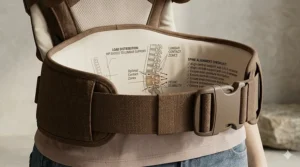
6. Momcozy Ergonomic Baby Carrier – Best Value Pick
The Momcozy Baby Carrier delivers surprising comfort at an entry-level price point. With enhanced lumbar support designed specifically for the demands of new parenthood, this carrier makes ergonomic babywearing accessible to families watching their budget.
Key Specifications:
- Weight capacity: 7-44 lbs
- Enhanced lumbar support pad
- Ergonomic M-position seating
- Lightweight design
Price in Canada: $70-100 CAD on Amazon.ca (sold by Momcozy Official Store)
Canadian customers note the carrier’s effortless setup process—a genuine blessing when you’re juggling a fussy baby and trying to get out the door for that essential fresh air walk. The lumbar support, while not as substantial as premium options, provides meaningful relief for casual wear throughout the day.
✅ Pros:
- Excellent value for money
- Quick and easy to put on
- Decent back support for the price
- Available through Amazon Prime Canada
❌ Cons:
- Less durable than premium brands
- Basic feature set
Perfect for: Budget-conscious Canadian families who want ergonomic support without premium pricing.
7. Beco Gemini Baby Carrier – Best Classic Design
The Beco Gemini brings straightforward functionality with proven ergonomic design. This carrier’s reputation for back comfort stems from its structured seat and well-positioned waist belt that effectively transfers weight to your hips—exactly where your body handles load most efficiently.
Key Specifications:
- Weight capacity: 7-35 lbs (3-16 kg)
- Multiple carrying positions
- 100% cotton construction
- Adjustable ergonomic seat
Price in Canada: $140-170 CAD on Amazon.ca
The simplicity appeals to parents who don’t need bells and whistles—just solid, reliable back support. Several Canadian reviewers mentioned choosing the Gemini after more complex carriers left them frustrated, appreciating how quickly they could achieve proper positioning.
✅ Pros:
- Reliable ergonomic design
- Natural cotton fabric
- Straightforward to use
- Good hip support positioning
❌ Cons:
- Not as many positions as competitors
- Moderate lumbar support
Perfect for: Parents seeking no-nonsense ergonomic support with proven comfort.
Understanding Back Pain and Babywearing
Carrying your baby shouldn’t come at the cost of your physical wellbeing. According to Health Canada’s baby carrier safety guidelines, proper positioning and ergonomic design are essential not just for your baby’s development, but for your own musculoskeletal health as well.
The mechanics of back pain during babywearing typically involve three problematic factors: poor weight distribution, inadequate lumbar support, and improper posture compensation. When a carrier lacks a substantial waist belt, your shoulders and upper back bear the entire load—a recipe for muscle strain and chronic discomfort. Similarly, when your baby sits too low or too far from your body, you unconsciously arch your back or lean forward to compensate, misaligning your spine.
Research from the International Hip Dysplasia Institute highlights how ergonomic carriers benefit both baby and wearer. When your baby is positioned correctly in the M-shape (knees higher than bottom, legs spread wide), their weight sits closer to your center of gravity. This reduces the compensatory movements that strain your back muscles and spine.
Canadian physiotherapists emphasize that postpartum bodies face unique challenges. Relaxin, the hormone that loosened your ligaments during pregnancy, can linger for months after delivery. This means your joints are more vulnerable to strain, making proper carrier selection absolutely critical during the early postpartum period.
The good news? With the right carrier featuring proper lumbar support and weight distribution, many parents report that babywearing actually helps strengthen their core and back muscles over time—turning what could be a source of pain into therapeutic movement.
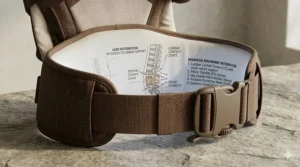
How to Choose the Right Carrier for Your Back
Selecting a baby carrier for back pain requires looking beyond cute patterns and trendy brands. Your spine will thank you for prioritizing these essential features.
Wide, Padded Waist Belt
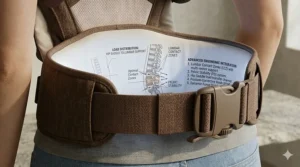
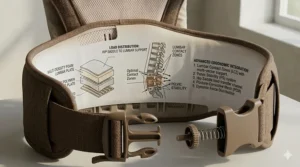
The waist belt is your carrier’s most crucial component for back pain prevention. A wide belt (at least 7-10 centimetres) distributes your baby’s weight across your hips—your body’s strongest weight-bearing structure. Canadian chiropractors consistently recommend carriers where the waist belt can be positioned either at your natural waist or lower on your hips, depending on your baby’s size and your comfort needs.
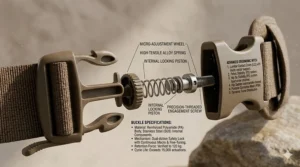
Look for substantial padding that won’t dig into your skin during extended wear. The belt should feel supportive without being restrictive, and buckles should allow micro-adjustments for your perfect fit.
Structured Shoulder Straps
Thin, unpadded straps create painful pressure points and dig into your shoulders. Premium carriers feature wide, cushioned straps that spread weight across a larger surface area. Some designs offer crossable straps, which many parents find redistributes weight more evenly across the upper back.
The Canadian winter consideration: if you’re wearing your carrier over a heavy coat, ensure the straps have enough length and adjustability to accommodate layers without compromising support.
Lumbar Support Pad
While not all carriers include dedicated lumbar support, this feature can be transformative for parents with lower back issues. These pads help maintain your spine’s natural curve, preventing the arch that causes pain. The LÍLLÉbaby and Ergobaby Omni models specifically engineer this support into their design.
Proper Sizing and Adjustability
A carrier that fits poorly will cause pain regardless of its features. Most quality carriers accommodate a wide range of body types, but verify the specifications. Waist belts typically adjust from 66-132 cm, but petite and plus-size parents should confirm compatibility. Canadian retailers like Amazon.ca provide detailed sizing charts—use them.
Baby Positioning
Your baby should sit high enough that you can kiss their head easily. This “close enough to kiss” positioning keeps their weight near your center of gravity, reducing back strain. The carrier should support their full thigh (knee to knee), maintaining the healthy M-position that also prevents you from compensating with poor posture.
According to La Leche League Canada, proper babywearing positioning creates a win-win: your baby’s hips develop healthily while your back stays aligned and comfortable.
Material and Breathability
Canadian summers can be sweltering, and overheating leads to discomfort that causes you to shift and adjust constantly—hello, back pain. Mesh panels or breathable fabrics help both you and baby stay cool. Conversely, winter babywearing works best with carriers that accommodate layering without bunching.
Essential Features for Back Pain Relief
Beyond the basics, certain advanced features elevate a carrier from adequate to exceptional for back pain management.
Crossable Straps: Many carriers now offer the option to cross shoulder straps behind your back rather than wearing them parallel. This X-pattern distributes weight differently and can relieve shoulder and upper back tension. It’s particularly helpful for parents with narrow shoulders or those recovering from shoulder injuries.
Adjustable Seat Width: As your baby grows, their leg spread changes. Carriers with adjustable seats (like the Boba X and LÍLLÉbaby Complete) ensure you maintain optimal weight distribution as your baby develops. This prevents you from compensating with poor posture as they gain weight.
Multiple Carry Positions: The ability to move baby from front to back or hip carrying isn’t just about convenience—it’s about giving different muscle groups breaks. Switching positions every hour or so, as recommended by the World Health Organization, prevents overuse strain.
Hip Seat Option: Some carriers integrate or offer compatible hip seats. These distribute weight across your hip bone rather than hanging from shoulders, which can provide significant relief for quick carries or transitional periods.
Storage Solutions: Built-in pockets mean you’re not adding a heavy diaper bag to your already-loaded back. Small details like this reduce overall strain during outings.
Common Mistakes That Cause Back Pain
Even with an excellent carrier, improper use can sabotage your comfort. Avoid these frequent pitfalls that Canadian physiotherapists see regularly.
Wearing Baby Too Low: If you need to look significantly downward to see your baby’s face, they’re positioned too low. This forces you to lean backward to balance their weight, straining your lumbar spine. The “close enough to kiss” rule isn’t just adorable—it’s biomechanically sound.
Loose Carrier Straps: Thinking loose equals comfortable actually creates more problems. When fabric bunches or baby pulls away from your body, you unconsciously compensate by leaning or tensing muscles. Tighten straps until your baby feels snug against you with no gap.
Wrong Waist Belt Position: For newborns, the waist belt typically sits higher (around your natural waist). As baby grows and gains weight, moving the belt down to your hips creates better leverage and weight distribution. Many parents never adjust this and wonder why their backs hurt as baby gets heavier.
Ignoring Pain Signals: That dull ache isn’t something to push through. Pain indicates poor fit or positioning. Stop, reassess, and adjust. Canadian parents tend toward toughing it out—don’t. Your body is communicating that something needs to change.
Using Hip Carries Too Often: While hip carries feel convenient for quick tasks, they unbalance your body when used exclusively. Alternate between positions to prevent developing muscle imbalances.
Skipping Gradual Build-Up: Your muscles need time to adapt to babywearing. Start with 20-30 minute sessions and gradually increase duration. This is especially crucial postpartum when your body is still recovering.
Caring for Your Carrier and Your Back
Maintaining your carrier ensures it continues providing proper support, while self-care practices prevent long-term back problems.
Carrier Maintenance
Most carriers are machine washable, but always check manufacturer guidelines. Regular washing maintains fabric integrity and strap elasticity—crucial for continued support. Inspect buckles, stitching, and webbing before each use. Canadian climate extremes (hello, minus 30°C winters and plus 35°C summers) can stress materials over time.
Store carriers properly between uses. Hanging them prevents permanent creases that could affect fabric distribution. If you notice any fraying, loose stitching, or buckle malfunctions, contact the manufacturer immediately. Many brands like Ergobaby and BabyBjörn offer lifetime warranties or generous replacement policies.
Back Care Practices
Complement your ergonomic carrier with these back-strengthening habits. Gentle postpartum exercises like pelvic tilts, bridges, and cat-cow stretches rebuild core strength that supports your spine during babywearing. Canadian physiotherapists often recommend starting these as soon as your healthcare provider clears you for exercise.
Practice proper lifting technique when placing baby in the carrier. Bend at your knees, not your waist, and engage your core muscles. Keep baby close to your body as you stand. This protects your lower back from sudden strain.
Alternate carrying positions throughout the day. Front carry for bonding and feeding, back carry for household tasks, hip carry for quick transfers. Each position engages different muscle groups, preventing overuse fatigue.
Consider foam rolling your upper back and shoulders after longer wearing sessions. This releases muscle tension before it develops into chronic knots. A simple tennis ball against a wall can provide targeted relief for specific tight spots.
Stay hydrated and maintain good nutrition. Your muscles need proper fuel to support you and your baby, especially during those marathon babywearing days that new parents know all too well.
If pain persists despite proper carrier use and positioning, consult a healthcare provider. Lingering discomfort might indicate an underlying issue requiring professional treatment.
Real Canadian Parent Experiences
Melissa from Vancouver struggled with severe lower back pain after her second child. Switching to the LÍLLÉbaby Complete All Seasons transformed her experience completely. She shared how the lumbar support pad and proper waist belt positioning let her enjoy walks around Stanley Park without the constant ache she’d accepted as inevitable.
Toronto dad James tried multiple carriers before discovering the Boba X. As someone who stands 193 cm tall, finding a carrier that adjusted properly seemed impossible until the micro-adjustable features finally distributed weight correctly for his frame. He now carries his daughter on weekend hikes through Ontario parks pain-free.
Sarah from Halifax dealt with diastasis recti postpartum, making core engagement difficult. Her midwife recommended the Ergobaby Omni Classic for its exceptional support. Combined with physiotherapy exercises, babywearing actually helped rebuild her core strength rather than exacerbating weakness.
Montreal mother Isabelle appreciated how the BabyBjörn Harmony’s premium padding made winter babywearing comfortable despite heavy coats. The flexible fabric adapted to layers without creating pressure points, solving her previous carrier’s cold-weather failures.
These real stories underscore a crucial point: the right carrier isn’t just about comfort—it’s about enabling you to fully embrace bonding time with your baby without physical suffering.
Frequently Asked Questions
❓ What is the best baby carrier for back pain in Canada?
❓ How much should I spend on an ergonomic carrier in Canada?
❓ Can babywearing help strengthen my back postpartum?
❓ Are baby carriers safe according to Health Canada standards?
❓ When should I switch from front to back carrying?
Conclusion: Your Path to Pain-Free Babywearing
Choosing the right baby carrier for back pain doesn’t mean compromising on bonding time with your little one. The seven carriers detailed in this guide offer proven solutions for Canadian parents seeking comfort alongside functionality.
Whether you select the premium comfort of the BabyBjörn Harmony, the versatile all-season design of the LÍLLÉbaby Complete, or the budget-friendly reliability of the Momcozy carrier, you’re investing in your physical wellbeing as much as your baby’s security. Remember that proper fit and positioning matter as much as the carrier itself—take time to adjust straps, position your baby correctly, and listen to your body’s signals.
Your back carried you through pregnancy, labour, and delivery. It deserves the support of an ergonomic carrier that transforms babywearing from a painful necessity into a joyful bonding experience. With the right carrier and proper technique, those walks through Canadian parks, grocery shopping trips, and quiet moments at home become opportunities to strengthen both your connection with baby and your core muscles.
The investment in a quality carrier pays dividends in reduced pain, increased confidence, and countless precious moments holding your baby close while your hands stay free and your back stays happy.
Recommended for You
- 7 Best Baby Carriers for Dad Canada 2026
- 7 Best Summer Baby Carriers Canada 2026: Beat the Heat
- 7 Best Winter Baby Carriers Canada 2026
Disclaimer: This article contains affiliate links to Amazon.ca. If you purchase products through these links, we may earn a small commission at no additional cost to you.
✨ Found this helpful? Share it with your friends! 💬🤗
