

In This Article
Picture this: it’s a gorgeous 28°C summer day in Vancouver, you’re ready for a stroll through Stanley Park, but you’re also melting under layers of fabric from your winter baby carrier. Sound familiar? Canadian summers can be surprisingly hot—whether you’re dealing with humid Ontario days or dry Prairie heat—and the wrong carrier turns what should be precious bonding time into a sweaty ordeal for both you and your little one.
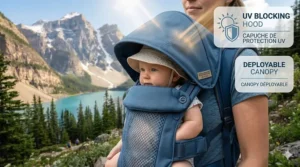
The summer baby carrier market has exploded in recent years, with innovative mesh panels, cooling fabrics, and ventilated designs specifically engineered to keep both parent and baby comfortable in warm weather. Unlike traditional carriers that trap heat between two bodies, today’s warm weather baby wearing options prioritize airflow without sacrificing support or safety. From breathable baby carrier hot weather designs featuring advanced moisture-wicking materials to ultra-lightweight baby carrier summer options that weigh less than a water bottle, Canadian parents now have access to gear that actually works for our climate.
What makes a carrier truly summer-worthy? Beyond the obvious breathable mesh panels, we’re looking at quick-dry fabrics that won’t stay damp from sweat, minimal padding that doesn’t create unnecessary bulk, and lightweight baby carrier summer constructions that distribute weight efficiently without excess material. The best cooling baby carrier options also feature adjustable ventilation, strategic mesh placement, and heat-resistant baby gear materials that don’t absorb and retain warmth the way cotton or polyester can.
In this guide, we’re diving deep into seven exceptional summer baby carriers available on Amazon.ca, all tested by real Canadian parents across different provinces and price points. Whether you need a budget-friendly mesh baby carrier for occasional park visits or a premium ventilated carrier design for daily adventures, we’ve got you covered with detailed specifications, honest pros and cons, and CAD pricing that won’t make your wallet sweat either.
Quick Comparison Table
| Carrier | Type | Weight Range | Price (CAD) | Best Feature | Rating |
|---|---|---|---|---|---|
| Ergobaby Omni Breeze | Structured | 3-20 kg (7-45 lbs) | $249-$279 | SoftFlex mesh airflow | 4.7/5 |
| Baby Tula Coast Explore | Structured | 3-20 kg (7-45 lbs) | $189-$229 | Large mesh centre panel | 4.6/5 |
| Solly Baby Wrap | Wrap | 3.6-11 kg (8-25 lbs) | $98-$125 | TENCEL Modal cooling fabric | 4.8/5 |
| Momcozy Air-Mesh Carrier | Wrap/Sling | 3.6-16 kg (8-35 lbs) | $45-$65 | Budget-friendly mesh | 4.3/5 |
| Ergobaby Omni Classic Mesh | Structured | 3-20 kg (7-45 lbs) | $179-$199 | Cool Air Mesh | 4.5/5 |
| Baby Tula Free-to-Grow Mesh | Structured | 3-20 kg (7-45 lbs) | $169-$199 | Adjustable from birth | 4.6/5 |
| Momcozy Breathable Mesh | Structured | 3-20 kg (7-44 lbs) | $79-$99 | X-shaped back design | 4.4/5 |
💬 Just one click – help others make better buying decisions too! 😊
Top 7 Summer Baby Carriers: Expert Analysis
1. Ergobaby Omni Breeze Mesh Carrier
If there’s one carrier that Canadian parents rave about for summer, it’s the Ergobaby Omni Breeze. This isn’t just marketing fluff—the SoftFlex mesh technology genuinely creates noticeable airflow that keeps both parent and baby surprisingly comfortable even on those sticky July afternoons in Toronto or Montreal.
Key Specifications:
- Weight capacity: 3-20 kg (7-45 lbs), newborn to toddler
- Four carry positions: front-inward, front-outward, hip, and back
- UPF 50+ sun hood included
- Crossable padded shoulder straps with lumbar support
Price Range: $249-$279 CAD on Amazon.ca
Canadian buyers particularly appreciate how this carrier handles our temperature swings—cool enough for 30°C days but substantive enough for milder 18°C evenings. The mesh isn’t the scratchy kind you might worry about; it’s soft against baby’s skin while maintaining excellent ventilation throughout the entire panel. One Vancouver parent noted that during a heat wave, her baby’s back stayed noticeably drier compared to their cotton carrier.
Pros:
✅ Maximum airflow with full mesh construction
✅ Grows from newborn to toddler (no insert needed)
✅ Excellent weight distribution for extended wear
Cons:
❌ Premium price point
❌ Takes up more space in diaper bag than wraps
Canadian customer feedback highlights the carrier’s performance during cross-country summer road trips, with parents noting it’s comfortable enough for wearing during rest stops and outdoor activities across multiple provinces.
2. Baby Tula Coast Explore Mesh Baby Carrier
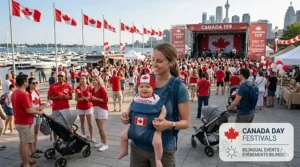
The Baby Tula Coast Explore takes a hybrid approach that’s brilliant for Canadian summers: a large breathable mesh centre panel framed by soft cotton. This design philosophy means you get excellent ventilation where it matters most (against baby’s tummy and your chest) while maintaining the soft, comfortable feel of traditional carriers.
Key Specifications:
- Weight capacity: 3-20 kg (7-45 lbs)
- Forward-facing option included (unique for mesh carriers)
- Adjustable width and height
- Machine washable
Price Range: $189-$229 CAD on Amazon.ca
What sets the Tula apart is the forward-facing carry position with mesh—surprisingly rare in breathable carriers. This means when your 6-month-old wants to see the world during summer festivals or farmers’ markets, they can do so without both of you overheating. The mesh panel measures approximately 30cm x 40cm, providing substantial ventilation coverage.
Pros:
✅ Forward-facing option with breathable design
✅ Stylish prints and colours
✅ Excellent for active lifestyles and hiking
Cons:
❌ Slightly bulkier than minimal wrap carriers
❌ Takes time to master adjustments initially
Ontario parents report this carrier works beautifully for cottage weekends and beach days, with the mesh drying quickly if it gets splashed. The carrier fits well across different body types, with waist sizes accommodated up to 145 cm.
3. Solly Baby Wrap Carrier
For the ultimate in lightweight summer babywearing, the Solly Baby Wrap is practically legendary among Canadian parents. Made from buttery-soft TENCEL Modal fabric, this isn’t technically a “mesh” carrier, but the material’s natural breathability and moisture-wicking properties make it incredibly comfortable for warm weather.
Key Specifications:
- Weight capacity: 3.6-11 kg (8-25 lbs)
- One-size-fits-all design (XXS to XXL)
- TENCEL Modal sustainable fabric
- Hip-healthy certified by International Hip Dysplasia Institute
Price Range: $98-$125 CAD on Amazon.ca
The genius of the Solly is its fabric technology. TENCEL Modal is derived from sustainably-sourced beechwood and naturally regulates temperature—staying cool in summer while providing gentle warmth in air-conditioned spaces. It’s also remarkably compact; you can fold this entire carrier into a space smaller than a Tim Hortons coffee cup, making it perfect for stashing in your diaper bag.
Pros:
✅ Incredibly lightweight and packable
✅ Buttery-soft against newborn skin
✅ Easy to learn wrapping technique
Cons:
❌ Weight limit ends at 11 kg (less than structured carriers)
❌ Requires re-tying when taking baby in and out
Quebec parents especially love this for the newborn stage, noting it’s gentle enough for post-C-section wearing and keeps babies content during hot summer afternoons. The fabric washes beautifully and air-dries quickly—essential for Canadian summers where you might need to wash carriers frequently.
4. Momcozy Air-Mesh Baby Wrap Carrier
Looking for a summer baby carrier that won’t break the bank? The Momcozy Air-Mesh delivers impressive value for Canadian families watching their budgets. While it doesn’t have the premium feel of pricier options, this lightweight carrier genuinely keeps both parent and baby cooler than traditional wraps.
Key Specifications:
- Weight capacity: 3.6-16 kg (8-35 lbs)
- Ring-adjustable design
- Quick-dry mesh fabric
- One-size-fits-all (XXS to XXL)
Price Range: $45-$65 CAD on Amazon.ca
The air-mesh fabric feels silky and stretchy with noticeable elasticity that moulds to your baby’s shape. It’s particularly popular with Saskatchewan and Alberta parents who appreciate how quickly it dries after washing—crucial during dusty prairie summers when carriers need frequent cleaning. The ring adjustment system means you can fine-tune the fit with one hand, though some users report the metal rings can occasionally poke if not positioned carefully.
Pros:
✅ Budget-friendly price point
✅ Very lightweight and portable
✅ Suitable for pool and water activities
Cons:
❌ Less structured support than buckle carriers
❌ Metal rings can be uncomfortable if not adjusted properly
Maritime parents note this carrier works wonderfully for beach days in the Atlantic provinces, with the mesh drying completely within an hour of ocean spray. It’s also approved for breastfeeding while wearing, with the fabric providing privacy coverage.
5. Ergobaby Omni Classic Cool Air Mesh
The Ergobaby Omni Classic with Cool Air Mesh is essentially the Omni Breeze’s more affordable sibling, offering many of the same features with slightly different mesh construction. For Canadian parents who want Ergobaby’s renowned ergonomics without the Breeze’s premium price tag, this is your sweet spot.
Key Specifications:
- Weight capacity: 3-20 kg (7-45 lbs)
- Four carrying positions
- Cool Air Mesh fabric throughout
- Lumbar support waist belt
Price Range: $179-$199 CAD on Amazon.ca
The Cool Air Mesh differs from the Breeze’s SoftFlex mesh in texture—it’s slightly more structured, which some parents prefer for added support, while others find the Breeze softer. That said, ventilation is still excellent, and during comparative testing by BC parents, temperature differences between the two models were minimal in real-world use.
Pros:
✅ Mid-range pricing with premium features
✅ Excellent lumbar support for parents
✅ Long-lasting durability
Cons:
❌ Mesh slightly less soft than Breeze version
❌ Can feel bulky for petite parents initially
Canadian reviews frequently mention this carrier’s performance during camping trips and provincial park visits, with the mesh staying breathable even during active hiking. The waist belt fits comfortably from approximately 70-130 cm, accommodating most adult body types.
6. Baby Tula Free-to-Grow Mesh Carrier
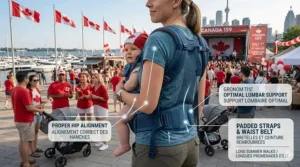
The Baby Tula Free-to-Grow Mesh solves a common carrier frustration: constantly adjusting width and height as your baby grows. This innovative design adjusts seamlessly from newborn to toddler without requiring separate infant inserts, all while maintaining excellent summer breathability.
Key Specifications:
- Weight capacity: 3-20 kg (7-45 lbs)
- Fully adjustable mesh panel
- No infant insert required
- Wide padded waist belt
Price Range: $169-$199 CAD on Amazon.ca
The mesh panel here is substantial—covering approximately 70% of the carrier’s surface area for maximum ventilation. What’s clever is how the panel adjusts: you can narrow it for tiny newborns and widen it as they grow, ensuring proper hip positioning throughout all stages. Manitoba parents particularly appreciate this adaptability during long prairie summers when babies quickly outgrow their gear.
Pros:
✅ Grows with baby without additional purchases
✅ Excellent mesh coverage
✅ Hip-healthy positioning at all stages
Cons:
❌ Limited carrying positions (no forward-facing)
❌ Learning curve for adjustment system
Yukon and northern Canadian parents report this carrier works beautifully for the short but intense summer season, with the mesh providing relief during surprisingly warm northern days while the structure handles autumn coolness when layered appropriately.
7. Momcozy Breathable Mesh Structured Carrier
Rounding out our list is the Momcozy Breathable Mesh Structured Carrier, offering structured support at a mid-range price point. This carrier bridges the gap between budget wraps and premium structured carriers, making it ideal for Canadian families who want solid features without premium pricing.
Key Specifications:
- Weight capacity: 3-20 kg (7-44 lbs)
- X-shaped back design for weight distribution
- Adjustable three-sizing positions
- Enhanced lumbar support with EVA foam
Price Range: $79-$99 CAD on Amazon.ca
The X-shaped back design is this carrier’s standout feature—instead of traditional H-straps, the crossed configuration distributes weight more evenly across your shoulders and back. New Brunswick and Nova Scotia parents report significantly less shoulder fatigue during extended wearing compared to their previous carriers. The mesh fabric isn’t quite as soft as premium options, but ventilation is noticeably better than standard cotton carriers.
Pros:
✅ Excellent value for structured features
✅ X-shaped design reduces back strain
✅ Works well for heavier toddlers
Cons:
❌ Mesh quality not as premium as higher-priced options
❌ Limited colour options
This carrier shines during Ottawa’s humid summers, with parents noting it handles sweat better than expected for the price point. The waist belt accommodates sizes from approximately 68-135 cm, fitting a wide range of body types common across Canadian demographics.
Understanding Summer Baby Carrier Features
Breathable Fabrics: More Than Just Mesh
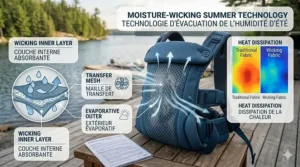
When shopping for a summer baby carrier, you’ll encounter various fabric technologies beyond simple mesh. Modern breathable baby carrier hot weather designs utilize advanced materials engineered specifically for temperature regulation and moisture management—something particularly valuable across Canada’s diverse climate zones.
TENCEL Modal, used in carriers like the Solly Baby Wrap, represents a significant advancement in cooling baby carrier technology. This sustainably-sourced fabric, derived from beechwood pulp, naturally wicks moisture away from skin while allowing exceptional airflow. Unlike synthetic mesh that can feel scratchy or cotton that retains moisture, Modal stays soft and dry even during extended wear. British Columbia parents appreciate how this fabric performs in coastal humidity, while Alberta families note it handles dry heat equally well.
Mesh variations aren’t all created equal. The SoftFlex mesh in Ergobaby’s Omni Breeze differs substantially from standard mesh—it’s softer, more flexible, and designed to maintain its shape after repeated washing. Traditional mesh can become stiff or develop snags, but engineered mesh holds up through Canadian wash cycles (important when your carrier needs cleaning after playground dust or beach sand). The ventilated carrier design in products like the Baby Tula Coast features strategically-placed mesh panels that maximize airflow where heat builds up most: against baby’s tummy and the wearer’s chest.
Quick-dry capabilities matter more than many parents realize. Saskatchewan’s summer thunderstorms, Maritime drizzle, or sudden temperature drops across the Prairies mean your carrier might get damp unexpectedly. Lightweight baby carrier summer options with moisture-wicking fabrics dry in hours rather than days—the Momcozy Air-Mesh, for instance, can go from wet to wearable in under two hours on a warm day.
Weight Distribution and Ergonomic Support
Summer carriers face a unique challenge: providing adequate support while minimizing fabric bulk. The best designs achieve this through innovative strap configurations and strategic padding placement. Ergobaby’s crossable shoulder straps allow you to customize weight distribution—wear them parallel for broader shoulder support or crossed for a more secure fit. This adjustability proves invaluable during longer outings at Ontario’s provincial parks or Quebec’s urban summer festivals.
The lumbar support component deserves special attention. Carriers featuring enhanced back support, like the Momcozy Breathable Mesh with EVA foam inserts, reduce lower back strain during extended wear. This becomes crucial when you’re carrying a growing toddler through Vancouver’s Seawall or navigating Halifax’s hilly terrain. The heat-resistant baby gear materials in premium carriers resist deformation from body heat and weight, maintaining support integrity even after months of summer use.
Hip positioning technology, certified by organizations like the International Hip Dysplasia Institute, ensures your baby sits in the proper “M” position with knees higher than their bottom. This ergonomic positioning isn’t just about development—it also affects airflow. Proper hip spread naturally creates space between your body and baby’s, allowing air circulation that reduces heat buildup.
Safety Standards for Canadian Use
When purchasing any baby carrier in Canada, verify it meets safety standards outlined by Health Canada’s baby carrier safety guidelines. Canadian regulations require carriers to meet specific stability and material safety requirements, protecting against issues like fabric tears, buckle failures, or hazardous substances.
Key safety considerations for summer babywearing include:
T.I.C.K.S. Rule (UK Sling Consortium standard, recognized globally):
- Tight: Carrier should be snug enough that baby doesn’t slump
- In view: Always see baby’s face
- Close enough to kiss: Baby’s head near your chin
- Keep chin off chest: Ensure clear airway
- Supported back: Natural spine position maintained
Temperature monitoring becomes critical during Canadian summers. Watch for signs of overheating in babies: flushed cheeks, rapid breathing, or excessive sweating. Even with the best mesh baby carrier, hot weather demands vigilance. Dress your baby in minimal layers—a light onesie is typically sufficient when using a breathable carrier on warm days.
Material safety particularly matters for summer carriers since babies often mouth fabric edges. Look for carriers meeting ASTM F2907 or ASTM F2236 safety standards, which regulate materials for chemical safety and durability. Many carriers available on Amazon.ca proudly display these certifications, offering peace of mind for Canadian parents.
Choosing the Right Carrier for Your Canadian Summer
Climate Considerations Across Canada
Canada’s summer diversity rivals our winter extremes. A summer baby carrier that excels in Victoria’s mild, dry heat might struggle in Toronto’s humidity or Winnipeg’s intense but short summer. Understanding your regional climate helps narrow your choices effectively.
Humid Eastern Regions (Ontario, Quebec, Maritimes): Moisture-wicking becomes paramount. The Ergobaby Omni Breeze and Solly Baby Wrap excel here, with fabrics designed to pull sweat away from skin and dry quickly. Quebec parents report the Tula Coast’s mesh panel significantly reduces the sticky feeling common with traditional carriers during humid July weeks. When shopping on Amazon.ca, prioritize carriers specifically mentioning moisture-wicking or quick-dry properties if you’re in these provinces.
Dry Prairie Heat (Alberta, Saskatchewan, Manitoba): While less humid, Prairie summers deliver intense, sustained heat. Lightweight construction matters tremendously—the Momcozy Air-Mesh’s minimal weight reduces overall thermal load. Manitoba families appreciate carriers that pack small for traveling between air-conditioned vehicles and outdoor activities. The Baby Tula Free-to-Grow Mesh provides excellent ventilation without unnecessary bulk, ideal for summer farmers’ markets or outdoor festivals common across Prairie provinces.
Coastal Moderate Climates (BC, parts of Maritimes): Variable temperatures demand versatility. Vancouver parents need carriers that work for 15°C mornings and 25°C afternoons. The Ergobaby Omni Classic Mesh hits this sweet spot—breathable enough for warmth but substantial enough for cooler days. Carriers with adjustable ventilation, like those featuring removable panels or adjustable mesh coverage, suit these microclimates best.
Northern Summers (Territories, Northern Provinces): Short but surprisingly warm, northern summers require carriers that transition well. The Baby Tula mesh carriers work excellently during intense June-August heat while layering well for cooler shoulder seasons. Yukon parents note the importance of carriers that stuff into small spaces since summer gear gets packed away for most of the year.
Lifestyle and Usage Patterns
How you plan to use your summer baby carrier dramatically affects which model suits you best. Canadian parents lead diverse lifestyles, from urban Toronto commuters to rural Alberta homesteaders, and carriers should match these realities.
Urban Parents and Transit Users: If you’re navigating TTC subways, Montreal Metro, or Vancouver SkyTrain, prioritize quick on/off capability and compact storage. The Solly Baby Wrap stuffs into bags beautifully and can be put on within minutes. Structured carriers like the Ergobaby Omni require more space but offer superior support for extended urban walking between errands. Consider where you’ll store the carrier when not in use—wraps win for small Toronto condos, while suburban families with more storage might prefer structured options.
Active and Outdoor Families: Hiking the Rockies, exploring provincial parks, or beach days at Great Lakes demand durable, versatile carriers. The Baby Tula Coast Explore handles uneven terrain well with its structured support, while the mesh panel keeps everyone comfortable during physical activity. Ontario cottage country families report the Momcozy Breathable Mesh works wonderfully for trail walks and lakeside activities, offering enough structure for safety with breathability for comfort.
Multi-Child Households: Budget considerations intensify with multiple children. The Momcozy carriers offer excellent value when you need to outfit different caregivers or save funds for other baby gear. However, investing in one premium carrier like the Ergobaby Omni Breeze might prove more economical long-term, lasting through multiple children thanks to superior durability. Several Canadian parents report their Ergobaby carriers survived three children and 4-5 Canadian summers.
Work-from-Home Parents: If babywearing facilitates household tasks or virtual meetings, comfort during extended wear becomes critical. The X-shaped back design in Momcozy’s structured carrier reduces fatigue during long wear sessions. The Solly Wrap works beautifully for younger babies during conference calls, keeping them content while staying breathable enough for home temperatures without heavy air conditioning.
Budget-Conscious Shopping on Amazon.ca
Canadian Amazon pricing fluctuates seasonally, with baby carrier deals often appearing during spring sales (preparing for summer) and post-summer clearances. Here’s how to maximize value:
Price Tiers and Value Propositions:
- Budget ($45-$75 CAD): Momcozy wraps and basic carriers. Excellent for trying babywearing or secondary carriers.
- Mid-Range ($100-$200 CAD): Solly Wrap, Baby Tula models, Ergobaby Classic Mesh. Best overall value for quality and features.
- Premium ($220-$280 CAD): Ergobaby Omni Breeze. Investment piece for daily, long-term use.
Timing Your Purchase: Monitor Amazon.ca during Prime Day (typically July), Black Friday, and Boxing Day for significant discounts. Many Canadian parents report saving 20-40% during these periods. Subscribe to price tracking tools or set up Amazon.ca price alerts for specific models you’re watching.
Considering Shipping and Returns: Amazon.ca’s carrier shipping across Canada varies by location. Prime membership generally offers free shipping to most urban centres, but rural deliveries might incur additional charges or delays. Always verify the seller—purchases directly from Amazon.ca or verified brand stores (like “Ergobaby Official” or “Baby Tula Store”) typically offer better return policies than third-party sellers.
Comparison: Mesh vs. Wrap vs. Structured Summer Carriers
Mesh Structured Carriers
Examples: Ergobaby Omni Breeze, Baby Tula Coast, Momcozy Breathable Mesh
Mesh structured carriers represent the most popular category for Canadian summer babywearing, combining ventilation with substantial support. These carriers feature rigid waist belts, padded shoulder straps, and breathable mesh panels or full mesh construction.
Advantages:
✅ Maximum support for extended wear and heavier toddlers
✅ Multiple carry positions (front, hip, back) offer versatility
✅ Easy sharing between caregivers with adjustable straps
✅ Structured support reduces back strain during active pursuits
Limitations:
❌ Bulkier than wraps, requiring more storage space
❌ Higher price points generally ($150-$280 CAD)
❌ Learning curve for proper adjustment and positioning
Best For: Parents seeking all-day comfort, those planning extended outdoor activities, families with multiple caregivers sharing one carrier, or anyone carrying babies over 9 kg regularly. Alberta hiking families and Ontario urban parents walking extensively both favor structured mesh carriers for their reliability and support.
Wrap-Style Summer Carriers
Examples: Solly Baby Wrap, Momcozy Air-Mesh Wrap
Wrap carriers consist of long fabric pieces tied around the wearer’s body to create a custom-fit pouch for baby. Modern summer wraps use lightweight, breathable materials rather than traditional heavy cotton.
Advantages:
✅ Ultra-portable and lightweight, fitting in small bags
✅ Custom fit for every wearing session
✅ Gentle on newborns with fabric contouring to tiny bodies
✅ Budget-friendly options available ($45-$125 CAD)
Limitations:
❌ Weight limits typically end around 11 kg
❌ Re-tying required when removing baby
❌ Learning curve for wrapping techniques
❌ Can feel less secure for very active babies
Best For: Newborn stage (0-6 months), parents prioritizing portability, those with limited storage space, budget-conscious families, or anyone wanting the softest option against delicate newborn skin. Quebec parents particularly appreciate wraps for their gentleness during the crucial early months.
Hybrid and Ring Sling Options
Examples: Momcozy Air-Mesh with rings, adjustable mesh carriers
Hybrid carriers blend wrap comfort with structured convenience, typically featuring fabric panels with ring or buckle adjustments for quick sizing changes.
Advantages:
✅ One-handed adjustment possible with ring designs
✅ Quick on/off without complete re-tying
✅ Lighter than structured but more supportive than pure wraps
✅ Compact storage similar to wraps
Limitations:
❌ Limited carrying positions (usually front or hip only)
❌ Metal rings can dig in if not positioned properly
❌ Learning curve for optimal adjustment
❌ One-shoulder weight distribution can cause fatigue
Best For: Quick errands around town, parents wanting easier adjustment than wraps, those transitioning from wraps to structured carriers, or families needing a lightweight backup carrier. Maritime parents appreciate hybrids for quick trips to local shops or beach access.
Caring for Your Summer Baby Carrier in Canada
Washing and Maintenance
Canadian summers mean more frequent carrier washing—beach sand, park dust, sweat, and sunscreen all necessitate regular cleaning. Proper maintenance extends your carrier’s lifespan significantly.
Washing Frequency: Summer carriers typically need washing every 5-7 days with regular use, or immediately after beach/pool exposure. The quick-dry properties of mesh carriers mean you can wash them Sunday evening and have them ready for Monday morning adventures across Canadian time zones.
Machine Washing Guidelines:
- Pre-treat stains with enzyme-based cleaners (especially effective on sunscreen marks)
- Close all buckles to prevent snagging during wash cycles
- Use cold water on gentle cycles to preserve mesh integrity
- Mild detergent only—avoid fabric softeners that can coat mesh and reduce breathability
- Wash separately or with other baby items to prevent damage from zippers or buttons
Drying Methods: Air-drying remains best for mesh carriers. The Ergobaby Omni Breeze dries within 4-6 hours when hung in Toronto summer humidity, while Prairie climates might see complete drying in 2-3 hours. Avoid high-heat tumble drying, which can warp mesh and degrade elastic components. If you must machine dry, use the lowest heat setting and remove promptly.
Storage Between Uses: Store carriers in cool, dry locations away from direct sunlight. UV exposure can degrade mesh materials over time—important across Canada’s varying sunlight hours from southern Ontario to northern territories. Consider breathable storage bags rather than plastic containers, which can trap moisture and promote mildew in humid climates.
Seasonal Transition Strategies
Canadian parents face unique challenges transitioning between seasons. Smart storage and maintenance ensure your summer carrier stays fresh year after year.
End-of-Season Care:
- Deep clean before storage to remove all organic materials (sweat, milk, food residue)
- Inspect thoroughly for wear: check mesh for tears, straps for fraying, buckles for cracks
- Document damage if within warranty period—most manufacturers offer 1-2 year warranties
- Store in breathable containers with silica gel packets in humid regions (Ontario, Quebec basements)
- Label storage bins with contents and last use date for easy spring retrieval
Spring Preparation: Before the first warm days, inspect stored carriers for any damage from winter storage. Manitoba parents report occasional mouse damage in garage-stored carriers—basement or closet storage proves safer. Refresh mesh carriers with a light wash even if they weren’t used, removing any musty storage smells.
Repair or Replace: Making the Decision
Canadian consumer protection laws offer some advantages when dealing with defective carriers. Understanding when to repair versus replace helps maximize your investment.
Repairable Issues:
- Minor mesh tears can be professionally repaired by seamstresses familiar with technical fabrics
- Strap adjustments and reinforcement are straightforward for experienced alteration professionals
- Missing buckles can often be replaced through manufacturer customer service
Replacement Indicators:
- Mesh deterioration affecting more than 30% of panels compromises safety
- Buckle cracks or breaks present serious safety hazards—never use damaged buckles
- Elastic failure in waist belts or straps reduces support effectiveness
- Multiple repair needs often cost more than replacement
Amazon.ca’s return policy provides 30 days for most baby carriers, though timelines may vary by seller. Purchase carriers early in spring to allow testing before summer peak season, ensuring you have time for returns if needed.
Safety Tips for Hot Weather Babywearing
Preventing Overheating
Even with the best breathable baby carrier hot weather designs, summer babywearing requires vigilance about temperature regulation. Canadian summer temperatures can spike unexpectedly—what starts as a pleasant 22°C morning can become an uncomfortable 32°C afternoon, particularly across Prairie and Southern Ontario regions.
Signs of Infant Overheating:
- Flushed or red face beyond normal activity flush
- Rapid breathing or unusually fast heart rate
- Excessive sweating especially on head, neck, or back
- Hot, dry skin despite summer temperatures
- Listlessness or unusual fussiness
- Refusing to feed when normally hungry
Prevention Strategies:
Dress Appropriately: In warm weather, a light cotton onesie or even just a diaper under the carrier often suffices. Over-dressing remains one of the most common mistakes—remember you’re adding your body heat to the equation. Edmonton parents report their babies stay comfortable in surprisingly minimal clothing when using mesh carriers during 28°C+ days.
Timing Outdoor Activities: Schedule babywearing during cooler parts of the day when possible. Early morning walks before 10 AM or evening outings after 5 PM reduce heat exposure significantly. Canadian UV indexes peak between 11 AM-3 PM; avoiding these hours benefits both sun exposure and thermal comfort. This timing strategy works well across all provinces, from Victoria’s moderate summers to Winnipeg’s intense heat waves.
Hydration Management: Breastfed babies typically receive adequate hydration through nursing, but offer feeds frequently during hot weather. Formula-fed babies may benefit from additional water (consult your pediatrician about timing and amounts). For toddlers, carry water bottles and offer drinks every 20-30 minutes during outdoor activities.
Strategic Shade Use: Utilize carrier hoods, sunshades, and natural shade whenever possible. However, ensure these don’t reduce airflow—some carrier covers that promise sun protection actually trap heat. The UPF hoods on carriers like the Ergobaby Omni Breeze are designed specifically to provide sun protection without compromising ventilation.
Sun Protection While Babywearing
Summer sun protection requires special consideration when babywearing since traditional sunscreen application becomes complicated by carrier positioning.
Sunscreen Application:
- Apply 15-20 minutes before putting baby in carrier to allow absorption
- Focus on exposed areas: face, hands, feet, and any skin outside carrier coverage
- Use baby-safe formulas (mineral-based zinc oxide or titanium dioxide)
- Reapply every 2 hours for extended outdoor exposure
- Consider clothing coverage from carrier fabric as supplementary protection
Sun-Safe Babywearing Practices:
Carrier Positioning: The fabric of your summer baby carrier provides some UV protection, but don’t rely on it entirely. Baby’s face, hands, and often legs remain exposed. Position baby to minimize direct sun exposure—inward-facing carries naturally shade baby’s face with your body.
Additional Sun Gear: Wide-brimmed hats for baby that tie under the chin prevent loss during movement. Some Canadian parents prefer the “legionnaire” style hats with neck flaps, which provide excellent coverage without interfering with carrier straps. Manitoba parents particularly appreciate these during Prairie sun exposure.
Timing Considerations: As mentioned for heat, UV exposure peaks mid-day. A study published in the Canadian Paediatric Society guidelines recommends minimizing infant sun exposure between 11 AM-3 PM, particularly important given our northern latitude’s intense summer sun angles.
Understanding Canadian UV Index: Environment Canada provides daily UV index forecasts. Above UV index 3, sun protection becomes important; above 7, extra caution is warranted. Summer UV indexes regularly reach 7-9 across much of Canada, with Prairie provinces and high-altitude regions seeing even higher readings.
Proper Positioning and Monitoring
Summer’s additional comfort challenges make proper carrier positioning even more critical than usual.
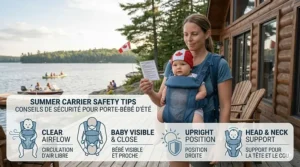
The T.I.C.K.S. Checklist:
Every time you put baby in a carrier, run through this quick safety check promoted by babywearing safety organizations globally and referenced in Health Canada’s carrier guidelines:
✅ Tight: The carrier should be snug enough that baby doesn’t slump down when you press gently on their back. Loose carriers allow baby to curl into unsafe positions that restrict airways.
✅ In View at All Times: You should see baby’s face without adjusting fabric or moving the carrier. In summer carriers, this becomes easier with mesh panels—you can often see baby’s profile through the mesh itself.
✅ Close Enough to Kiss: Baby’s head should be near enough that you can kiss the top with just a slight head tilt. This distance ensures proper positioning and makes monitoring easier.
✅ Keep Chin Off Chest: Ensure at least two finger-widths of space between baby’s chin and chest. This is absolutely critical—chin-to-chest position can restrict airways, particularly dangerous in young infants without strong head control.
✅ Supported Back: Baby’s back should maintain its natural curve (slight C-shape) rather than being over-straightened or slumped. The mesh in quality carriers like Ergobaby and Tula provides support while remaining flexible enough for proper spinal positioning.
Summer-Specific Monitoring: Check baby more frequently during hot weather:
- Every 15-20 minutes during active outdoor activities
- Feel baby’s torso (not hands or feet) to gauge true body temperature
- Watch for breathing changes indicating discomfort
- Notice behavior changes that might signal overheating
Break Time Indicators: Take baby out of the carrier every 1-2 hours regardless of temperature, more frequently in heat above 28°C. These breaks allow both you and baby to cool down, reset positioning, and ensure baby gets movement variety important for development.
Benefits Comparison: Summer Carriers vs. Traditional Carriers
| Feature | Traditional Cotton Carrier | Summer Mesh Carrier | Wrap Carrier (TENCEL) |
|---|---|---|---|
| Breathability | ⭐⭐ (Limited) | ⭐⭐⭐⭐⭐ (Excellent) | ⭐⭐⭐⭐ (Very Good) |
| Weight | 800-1000g | 500-700g | 200-400g |
| Drying Time | 12-24 hours | 2-6 hours | 4-8 hours |
| Heat Retention | High | Low | Low-Medium |
| Sweat Wicking | Poor | Excellent | Very Good |
| Summer Comfort | ⭐⭐ | ⭐⭐⭐⭐⭐ | ⭐⭐⭐⭐ |
| Price Range (CAD) | $50-$150 | $150-$280 | $45-$125 |
| Best Use Season | Fall/Spring | Summer | Year-round |
FAQs About Summer Baby Carriers in Canada
❓ How do I know if my baby is too hot in a carrier?
❓ Can I use a summer baby carrier for swimming or water activities?
❓ What's the best temperature range for using a summer baby carrier in Canada?
❓ How much does a quality summer baby carrier typically cost on Amazon.ca?
❓ Are summer carriers safe for newborns, and do they provide proper hip positioning?
Conclusion
Choosing the right summer baby carrier transforms Canadian warm-weather parenting from a sweaty challenge into an enjoyable bonding experience. Whether you’re navigating Toronto’s humid summers, hiking Alberta’s mountain trails, or simply running errands around your local community, a properly breathable carrier makes all the difference between miserable and memorable.
The carriers featured in this guide—from the premium Ergobaby Omni Breeze at $249-$279 CAD to the budget-friendly Momcozy Air-Mesh at $45-$65 CAD—all excel at keeping Canadian families comfortable during our diverse summer conditions. Mesh panels, moisture-wicking fabrics, and intelligent ventilation design have revolutionized warm weather baby wearing, making it practical even during those intense July heat waves.
Remember that the best summer baby carrier is the one that matches your specific needs: your baby’s age and size, your typical activities, your body type, and your budget. Consider starting with a mid-range option like the Baby Tula Coast Explore ($189-$229 CAD) if you’re unsure—it provides excellent versatility for most Canadian summer scenarios. For newborn specialists, the Solly Baby Wrap ($98-$125 CAD) delivers unmatched gentleness and portability. Active parents tackling backcountry trails or extensive urban walking might find the Ergobaby Omni Breeze’s premium investment worthwhile.
As Canadian summers continue delivering increasingly warm temperatures across all provinces, investing in proper summer babywearing gear pays dividends in comfort, safety, and cherished memories. The carriers reviewed here have earned their reputations through thousands of Canadian parent experiences, from Pacific Coast beaches to Atlantic shorelines, Prairie summers to Northern territory adventures.
Before finalizing your purchase on Amazon.ca, verify shipping timelines to your region, review return policies, and check for current promotions or discount codes. Many Canadian parents successfully time purchases during spring sales, securing summer essentials before peak season pricing kicks in.
Most importantly, trust your instincts as a parent. Monitor your baby closely during those first summer outings in a new carrier, adjust as needed, and don’t hesitate to reach out to manufacturer customer service with questions. Canadian summer babywearing should enhance your warm-weather experiences, not complicate them—the right carrier makes this possible.
Recommended for You
- 7 Best Winter Baby Carriers Canada 2026
- 7 Best Baby Carrier for Hiking Canada 2026
- 7 Best Lillebaby Baby Carriers Canada 2026
Disclaimer: This article contains affiliate links to Amazon.ca. If you purchase products through these links, we may earn a small commission at no additional cost to you.
✨ Found this helpful? Share it with your friends! 💬🤗
