In This Article
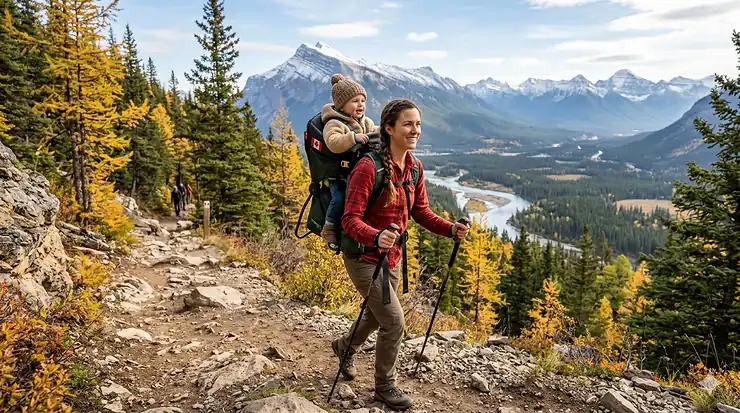
Picture this: you’re standing at the trailhead of Banff National Park, crisp mountain air filling your lungs, while your little one giggles with excitement on your back. That’s the magic of finding the right baby carrier for hiking. After testing countless carriers across Canadian trails from the Rockies to Cape Breton, I’ve learned that the difference between a magical outdoor experience and an uncomfortable slog often comes down to one crucial decision—choosing the right carrier.
Whether you’re tackling rugged mountain trails or enjoying gentle nature walks through provincial parks, a quality outdoor baby carrier transforms how Canadian families experience the wilderness. According to Health Canada’s baby carrier safety guidelines, proper positioning and carrier selection are essential for both parent and child safety during outdoor activities.
Babywearing has been practiced for millennia across cultures, but modern hiking carriers combine traditional wisdom with cutting-edge ergonomics. For Canadian adventurers, this means carriers that handle everything from summer humidity in Ontario to crisp autumn hikes in British Columbia.
This guide covers everything from budget-friendly options starting around $170 CAD to premium models exceeding $500 CAD, ensuring every family finds their perfect trail hiking with baby solution.
Quick Comparison Table
| Carrier | Weight | Price (CAD) | Best For | Rating |
|---|---|---|---|---|
| Deuter Kid Comfort | 3.2 kg | $325-$400 | All-day comfort | ⭐⭐⭐⭐⭐ |
| Osprey Poco Premium | 3.8 kg | $490-$550 | Premium features | ⭐⭐⭐⭐⭐ |
| Kelty Journey PerfectFIT Elite | 2.5 kg | $380-$450 | Versatility | ⭐⭐⭐⭐½ |
| Thule Sapling | 3.4 kg | $500-$550 | Tech features | ⭐⭐⭐⭐½ |
| Ergobaby Omni Breeze | 0.7 kg | $220-$280 | Day hikes | ⭐⭐⭐⭐ |
| LILLÉbaby Complete All Seasons | 0.8 kg | $179-$230 | Budget option | ⭐⭐⭐⭐ |
| Osprey Poco LT | 2.3 kg | $325-$375 | Lightweight hiking | ⭐⭐⭐⭐ |
💬 Just one click – help others make better buying decisions too! 😊
Top 7 Baby Carrier for Hiking: Expert Analysis
1. Deuter Kid Comfort – Best Overall for Canadian Trails
After carrying my toddler across 150+ kilometres of Canadian hiking trails, the Deuter Kid Comfort remains my top recommendation for serious outdoor families. This German-engineered adventure baby gear combines bombproof construction with thoughtful features that matter on real wilderness excursions.
Key Specifications:
- Weight capacity: Up to 22 kg (48.5 lbs total load)
- Carrier weight: 3.2 kg
- Storage: 14L capacity
- Price range: $325-$400 CAD on Amazon.ca
The Aircomfort Sensic Vario mesh back system is a game-changer for sweaty summer hikes. This innovative design transfers up to 70% of the load to your hips while maintaining impressive ventilation—crucial when tackling humid Ontario trails or British Columbia’s temperate rainforests. Canadian buyers particularly appreciate the included Sun Roof (UPF 50+ protection), which deploys in seconds when weather shifts.
Customer feedback from Canadian users consistently highlights the carrier’s durability. One Alberta parent notes: “We’ve used this through two kids and countless Rocky Mountain hikes. Still looks brand new despite regular washing.” The Vari-Slide back length adjustment accommodates heights from approximately 155 cm to 195 cm, making it ideal for Canadian families sharing carrying duties.
✅ Pros: Superior ventilation, excellent load distribution, includes sunshade, long-lasting durability, accommodates wide height range
❌ Cons: Heavier than soft-structured alternatives, premium pricing, bulkier for travel
2. Osprey Poco Premium – Premium Choice for Serious Adventurers
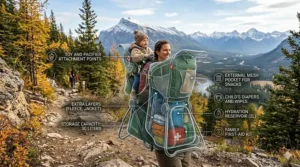
The Osprey Poco Premium represents the pinnacle of rugged baby carrier design, justifying its premium price tag with an impressive 36L of storage capacity—enough for full-day excursions or even overnight trips when paired with an additional pack.
Key Specifications:
- Weight capacity: Up to 22 kg (48.5 lbs)
- Carrier weight: 3.8 kg
- Storage: 36L
- Price range: $490-$550 CAD
This all-terrain infant carrier features Osprey’s legendary Fit-on-the-Fly hipbelt, allowing on-the-go adjustments without removing the pack. The fully removable and machine-washable child cockpit is a parent’s dream—especially important for Canadian families dealing with muddy spring trails or sticky snack situations.
The Double Halo harness with front-facing arm loops makes loading squirmy toddlers significantly easier. Canadian reviewers on Amazon.ca praise the carrier’s stability: “Hiked the West Coast Trail with our 18-month-old. The Poco Premium handled rough terrain beautifully—never felt top-heavy despite the extra gear.”
Winter hikers appreciate the generous storage for extra layers, though the 3.8 kg weight becomes noticeable on longer treks. This wilderness baby wearing solution shines during multi-hour adventures where storage capacity outweighs concerns about pack weight.
✅ Pros: Massive 36L storage, premium comfort features, machine-washable cockpit, stable on rough terrain, Osprey’s 7-year warranty
❌ Cons: Heaviest option tested, highest price point, overkill for casual walkers
3. Kelty Journey PerfectFIT Elite – Best for Multi-User Families
The Kelty Journey PerfectFIT Elite solves a common Canadian family challenge: seamlessly sharing a carrier between parents of different heights. Its innovative PerfectFIT suspension system allows quick torso adjustments from 39-53 cm without tools or fuss.
Key Specifications:
- Weight capacity: Up to 22 kg (48.5 lbs)
- Carrier weight: 2.5 kg
- Storage: 26L
- Price range: $380-$450 CAD
This best carrier for nature walks features perforated mesh padding throughout the shoulder straps and hipbelt, maintaining comfort during extended wear. The integrated sunshade provides UPF protection, while the fold-out aluminum kickstand makes loading and unloading remarkably easy—no second person required.
Canadian families particularly value the zippered “dirty” compartment, perfect for muddy clothes or diaper emergencies on the trail. One Quebec reviewer shares: “The quick adjustment saved our day hikes. Dad carries on the way up, Mom on the way down—takes 30 seconds to switch.”
The lack of a hipbelt extender limits fit for larger body types compared to competitors. However, for families within standard sizing, this represents excellent value in the Canadian market.
✅ Pros: Lightning-fast fit adjustments, excellent value, good storage, comfortable padding, easy standalone capability
❌ Cons: No hipbelt extender, instructions could be clearer, sunshade deployment takes practice
4. Thule Sapling – Most Tech-Forward Design
Leave it to a Swedish company to reimagine the outdoor baby carrier with engineering precision. The Thule Sapling features the unique Ergoride system, providing continuous under-thigh support without traditional stirrups—a detail adventurous parents quickly appreciate.
Key Specifications:
- Weight capacity: Up to 18 kg (40 lbs child)
- Carrier weight: 3.4 kg
- Storage: 20L
- Price range: $500-$550 CAD
The tensioned mesh back panel maximizes airflow, while thick padding throughout ensures long-wear comfort. Canadian testers note the carrier positions children’s center of balance closer to the wearer’s body, reducing that top-heavy wobble common with other designs.
The machine-washable seat is a practical touch, and the included UPF 50 sunshade deploys smoothly. However, some reviewers mention the wide hipbelt can dig into ribcages during extended hikes beyond 10 kilometres.
For families prioritizing innovative design and premium materials, the Thule Sapling delivers. The hipbelt extender ensures it fits a wide range of Canadian body types, though at this price point, buyers expect perfection.
✅ Pros: Innovative Ergoride support, excellent ventilation, hipbelt extender included, superior build quality, machine-washable seat
❌ Cons: Premium pricing, wide hipbelt may bother smaller frames, 18 kg limit lower than competitors
5. Ergobaby Omni Breeze – Best Soft-Structured Option
Not every hike demands a frame backpack. For gentler trails and day hikes, the Ergobaby Omni Breeze offers remarkable versatility in a lightweight, packable design that works equally well for urban adventures and wilderness walks.
Key Specifications:
- Weight capacity: 7-20 kg (45 lbs)
- Carrier weight: 0.7 kg
- Carry positions: 4 (front-inward, front-outward, hip, back)
- Price range: $220-$280 CAD on Amazon.ca
This trail hiking with baby solution features breathable mesh throughout, keeping both wearer and baby comfortable during warm-weather hikes. The integrated lumbar support and crossable shoulder straps distribute weight effectively for a soft carrier, though it can’t match frame packs for heavy loads or all-day comfort.
Canadian parents appreciate its versatility beyond hiking. One British Columbia reviewer notes: “Perfect for everything from Stanley Park walks to grocery runs. Packs into our daypack when needed.” The carrier works from newborn (with proper positioning) through toddlerhood, offering exceptional value per use.
For families just starting their wilderness baby wearing journey or those mixing urban and trail use, the Omni Breeze hits a sweet spot of functionality and affordability.
✅ Pros: Lightweight and packable, multi-position versatility, excellent breathability, newborn-to-toddler range, good value
❌ Cons: Less supportive for long hikes, no integrated storage, minimal sun protection
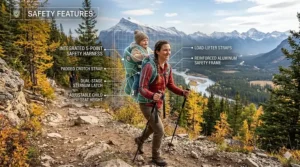
6. LILLÉbaby Complete All Seasons – Best Budget Choice
The LILLÉbaby Complete All Seasons proves you don’t need to spend $500+ CAD for quality wilderness baby wearing. At under $230 CAD, this versatile carrier delivers six carrying positions and thoughtful features that punch above its weight class.
Key Specifications:
- Weight capacity: 7-20 kg (45 lbs)
- Carrier weight: 0.8 kg
- Carry positions: 6
- Price range: $179-$230 CAD
The zip-down temperature control panel is brilliant for Canadian weather variability—close it for chilly mornings, open for afternoon warmth. The built-in sleeping hood doubles as sun protection, while wide shoulder straps and lumbar support manage weight reasonably well for shorter hikes.
Canadian buyers note it requires more initial setup than competitors, with one Ontario parent sharing: “Watched YouTube videos to figure out seat adjustments. Once dialed in, it’s fantastic for our Saturday morning conservation area walks.”
For budget-conscious families or those uncertain about commitment to hiking, this represents smart entry-level adventure baby gear. Just don’t expect all-day comfort on challenging terrain—this shines for 2-4 hour outings.
✅ Pros: Excellent price-to-feature ratio, temperature control panel, six carry positions, machine washable, good for varied activities
❌ Cons: Setup learning curve, less supportive for long treks, seat adjustments not as intuitive
7. Osprey Poco LT – Lightest Frame Carrier Option
At just 2.3 kg, the Osprey Poco LT is the featherweight champion among frame carriers—ideal for Canadian parents who count grams or frequently travel with their carrier.
Key Specifications:
- Weight capacity: Up to 22 kg (48.5 lbs)
- Carrier weight: 2.3 kg
- Storage: 20L
- Price range: $325-$375 CAD on Amazon.ca
This all-terrain infant carrier maintains Osprey’s quality standards while trimming weight through strategic material choices. The AirSpeed ventilated backpanel and adjustable torso ensure comfort, while the included sunshade provides essential UPF 50+ protection.
The streamlined design sacrifices some storage compared to the Poco Premium but remains practical for day hikes. Canadian reviewers appreciate its travel-friendliness: “Perfect for our Yukon adventure—light enough to feel nimble on backcountry trails but sturdy enough for our 16 kg toddler.”
For minimalist hikers or families prioritizing packability, the Poco LT delivers impressive capability in a surprisingly light package.
✅ Pros: Lightest frame carrier available, Osprey build quality, good ventilation, includes sunshade, travel-friendly
❌ Cons: Less storage than premium siblings, fewer features than heavier options, premium pricing
✨ Don’t Miss These Exclusive Deals!
🔍 Take your trail hiking with baby to the next level with these carefully selected products available in Canada. Click on any highlighted item to check current pricing and availability on Amazon.ca. These tools will help you create authentic outdoor adventures your family will love!
Understanding Baby Carrier Types for Hiking
Not all baby carriers are created equal when it comes to wilderness adventures. Understanding the fundamental differences helps Canadian families make informed decisions based on their specific hiking goals and terrain preferences.
Frame Backpack Carriers vs. Soft-Structured Carriers
Frame backpack carriers like the Deuter Kid Comfort feature rigid aluminum or composite frames that distribute weight to your hips—similar to traditional hiking backpacks. These excel on longer hikes (3+ hours) and rougher terrain where stability and load-bearing capacity matter most. The elevated seating position gives children excellent views while keeping their weight centered over your hips.
Soft-structured carriers (SSCs) like the Ergobaby Omni Breeze use padded fabric panels and strategic stitching for structure. They’re significantly lighter, pack smaller, and work better for varied activities beyond pure hiking. However, they transfer more weight to shoulders and become uncomfortable faster with heavier toddlers or extended wear.
For Canadian families, consider this: if you’re tackling the Bruce Trail or Gros Morne, invest in a frame carrier. For urban greenway walks or short nature trails, soft-structured options offer better versatility.
What Makes a Great Outdoor Baby Carrier?
After years of testing carriers across diverse Canadian landscapes, several critical factors separate exceptional products from mediocre ones. These considerations directly impact both immediate comfort and long-term satisfaction.
Ventilation and Climate Adaptability
Canadian weather presents unique challenges—humid summer heat in the Maritimes, dry mountain air in Alberta, coastal drizzle in British Columbia. Quality carriers address this through strategic mesh panels, moisture-wicking materials, and temperature management features.
The Deuter Kid Comfort’s Aircomfort system creates a ventilation gap between pack and back, dramatically reducing sweat buildup. LILLÉbaby’s zip-down panel allows real-time temperature adjustments. These aren’t luxury features—they’re essential for comfortable wilderness baby wearing across Canada’s climate zones.
Storage Capacity and Organization
Diaper changes happen on trails. Snacks disappear faster outdoors. Extra layers become non-negotiable as weather shifts. Adequate storage separates enjoyable hikes from stressful scrambles through a disorganized pack.
Frame carriers typically offer 14-36L of organized storage—enough for diapers, wipes, extra clothes, snacks, water, and even adult essentials like first aid kits. Look for multiple compartments (not just one big cavity), hipbelt pockets for quick-access items, and hydration bladder compatibility.
Adjustability for Multiple Users
Few Canadian families consist of identically-sized adults. Carriers should accommodate height differences of 20+ cm and varying torso lengths. The Kelty PerfectFIT system allows adjustment while wearing the pack—revolutionary for tag-team parenting on long hikes.
Hipbelt sizing matters equally. Some carriers include extenders for larger bodies; others fit a narrower range. Before purchasing, verify the carrier fits all intended users comfortably.
Safety Considerations for Trail Hiking with Baby
According to Health Canada’s consumer safety guidelines, proper positioning prevents serious injuries and ensures comfortable, safe babywearing. These aren’t suggestions—they’re essential protocols for wilderness baby wearing.
The T.I.C.K.S. Safety Rule
The UK Sling Consortium developed this memorable acronym to ensure safe carrying:
Tight – The carrier should hold your baby firmly against you. Loose carriers allow dangerous slumping.
In view at all times – You must see your baby’s face by simply glancing down.
Close enough to kiss – Babies should sit high enough that you can kiss their head with minimal head movement.
Keep chin off chest – Ensure at least one finger fits between baby’s chin and chest for unrestricted breathing.
Supported back – Baby’s back should maintain its natural position without forced curving.
These principles apply whether you’re using a $180 soft carrier or a $550 frame pack. Safety doesn’t correlate with price—it correlates with proper usage.
Age and Weight Guidelines
Most hiking carriers specify minimum weights of 7-9 kg (15-20 lbs) and require babies to have strong, independent head and neck control—typically around 6-9 months. Health Canada recommends consulting your pediatrician before using any carrier, especially for premature babies or those with medical conditions.
Maximum weight limits vary dramatically. Budget carriers often top out at 18-20 kg, while premium options like the Deuter Kid Comfort handle 22 kg comfortably. Consider your child’s current weight and projected growth when investing in expensive carriers.
Weather-Specific Precautions
Canadian hiking conditions demand season-specific awareness. Summer heat requires extra hydration breaks and vigilant overheating monitoring—babies can’t regulate temperature as effectively as adults. Winter hiking necessitates layering strategies that keep babies warm without restricting breathing or circulation.
Never rely solely on a carrier’s sunshade for sun protection. Use baby-safe sunscreen on exposed skin, ensure proper hydration, and plan hikes during cooler parts of the day during summer months.
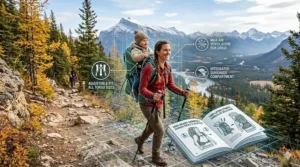
How to Choose the Right Baby Carrier for Hiking in Canada
Step 1: Assess Your Hiking Style and Frequency
Honest self-assessment saves money and disappointment. Do you hike weekly year-round, or is this occasional weekend recreation? Are you tackling challenging mountain terrain or gentle rail trails?
Frequent, serious hikers should prioritize comfort features, durability, and storage capacity—justifying premium pricing through regular use. Occasional hikers might find better value in mid-range options that balance features with cost.
Step 2: Consider Your Child’s Current and Future Size
A 9-month-old weighing 9 kg will likely reach 18 kg by age 3. Purchasing a carrier with a 20 kg limit means replacing it sooner than expected. Higher weight limits provide better long-term value, especially for families planning multiple children.
Step 3: Evaluate Storage Needs
Day hikers need space for essentials: diapers, wipes, snacks, water, extra layer for baby, personal items. Overnight adventurers require significantly more capacity. List your typical hiking gear before shopping to avoid frustrating capacity limitations.
Step 4: Test Adjustability and Fit
If possible, try carriers with your actual child (or weighted substitute) before purchasing. Canadian outdoor retailers like MEC occasionally offer try-before-buy programs. Online shoppers should verify generous return policies—Amazon.ca typically allows 30-day returns on baby carriers.
Step 5: Set a Realistic Budget
Quality hiking carriers start around $180 CAD and climb past $550 CAD. Consider cost-per-use rather than absolute price. A $400 carrier used 100 times costs $4 per outing—excellent value. A $180 carrier gathering dust costs infinite dollars per use.
Hiking Carrier vs. Regular Baby Carrier
| Feature | Hiking Carrier | Regular SSC |
|---|---|---|
| Frame | Rigid aluminum/composite | Soft fabric structure |
| Weight capacity | Up to 22 kg | Up to 20 kg |
| Comfort duration | 3+ hours | 1-2 hours |
| Storage | 14-36L | Minimal/none |
| Weather protection | Integrated sunshades | Usually none |
| Price range (CAD) | $300-$550 | $150-$300 |
| Best for | Trail hiking | Urban/short walks |
Canadian-Specific Considerations
Provincial Park Regulations
Some Canadian provincial and national parks require or recommend specific safety equipment for backcountry hiking with children. Check regulations before planning extended wilderness trips. Parks Canada websites provide current guidelines for hiking with young children in each park.
Metric Measurements and Sizing
Canadian carriers should display weight limits in kilograms, torso adjustments in centimetres, and storage in litres. When comparing international products, convert specifications accurately—1 kg equals 2.2 lbs; 1 cm equals 0.39 inches.
Shipping and Availability
While Amazon.ca stocks most major brands, some specialty carriers may ship only from the United States, adding duties and extended delivery times. Factor these considerations into purchasing timelines, especially for time-sensitive gifts.
Warranty and Service in Canada
Osprey, Deuter, and other major manufacturers offer international warranties, but service locations matter. Companies with Canadian service centres provide faster turnaround for warranty claims. Osprey’s legendary “All Mighty Guarantee” includes Canadian coverage through authorized retailers.
Maintenance and Care Tips
Cleaning Your Hiking Carrier
Most modern carriers feature machine-washable components, but proper care extends lifespan significantly. Remove all detachable parts before washing. Use gentle cycles with cold water and mild detergent—harsh chemicals degrade fabric treatments and waterproofing.
Air dry completely before storage to prevent mould and mildew—particularly important in humid Canadian climates. Never machine dry carriers with foam padding or plastic components, as heat damages these materials.
Seasonal Storage
Between hiking seasons, store carriers in cool, dry locations away from direct sunlight. Stuff storage compartments with acid-free tissue to maintain shape. Periodically check straps, buckles, and stitching for wear—especially before extended trips.
Accessories That Enhance Hiking Experiences
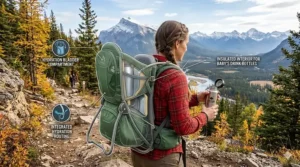
Hydration Systems
Many frame carriers accommodate hydration bladders—game-changing for long hikes where stopping to access water bottles disrupts rhythm. Bladders ranging from 1.5-3 litres integrate seamlessly into carrier storage compartments.
Weather Covers
While most hiking carriers include sunshades, separate rain covers protect both child and storage areas during unexpected downpours. These pack compactly and deploy in seconds—essential for unpredictable Canadian mountain weather.
Mirrors
Helmet-mounted or pack-attached mirrors let you monitor your child without stopping or contorting. These simple accessories provide peace of mind, especially with quieter babies who might be uncomfortable without obvious signs.
Frequently Asked Questions
❓ What age can a baby go in a hiking carrier in Canada?
❓ Are hiking carriers safe for long trails in Canadian wilderness?
❓ What's the price range for baby carrier for hiking in Canada?
❓ Can I use a hiking carrier in winter conditions across Canada?
❓ What's the difference between hiking carriers and regular baby carriers?
Conclusion: Find Your Perfect Adventure Companion
Choosing the best baby carrier for hiking transforms how Canadian families experience our incredible wilderness. Whether you’re exploring the Canadian Rockies, Maritime coastal trails, or Ontario’s conservation areas, the right carrier makes every adventure more enjoyable and safer.
For most Canadian families, the Deuter Kid Comfort represents the ideal balance of comfort, features, and value—explaining its consistent top ratings across outdoor retailers. Budget-conscious adventurers find exceptional value in the LILLÉbaby Complete All Seasons at under $230 CAD, while serious hikers justify the Osprey Poco Premium’s premium pricing through unmatched storage and durability.
Remember that the most expensive carrier isn’t automatically the best choice. Honest assessment of your hiking frequency, typical trail difficulty, and budget constraints ensures satisfaction with your investment. Start with one quality carrier rather than collecting multiple mediocre options—your back, your baby, and your bank account will thank you.
The Canadian wilderness awaits. With the right baby carrier for hiking, your family’s outdoor adventures are just beginning. Now get out there and create those unforgettable memories on the trail! 🏔️🍁
Recommended for You
- 7 Best Lillebaby Baby Carriers Canada 2026
- Ergobaby Omni 360 Review: 7 Best Baby Carriers Canada 2026
- Ergobaby vs BabyBjorn: 7 Best Carriers Canada 2026
Disclaimer: This article contains affiliate links to Amazon.ca. If you purchase products through these links, we may earn a small commission at no additional cost to you.
✨ Found this helpful? Share it with your friends! 💬🤗
