
In This Article
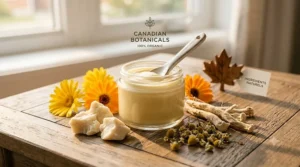
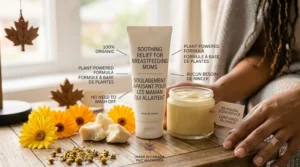
Nobody warns you enough about this part. You picture the late-night feeds, the tiny fists, the milk-drunk sighs — and then the first week hits, and suddenly you’re wincing every time your baby latches on. If that’s you right now, welcome to one of the most common, least talked-about parts of early breastfeeding: nipple pain, as La Leche League Canada calls it. Nipple cream for breastfeeding is a topical balm applied after nursing or pumping to soften, protect, and help heal sore, dry, or cracked nipple skin, usually made from lanolin or a lanolin-free blend of plant oils and butters. It’s not a cure for a bad latch, but it can make the healing process a lot more bearable while you sort out the underlying cause. This guide walks through seven real products on the Canadian market, breaks down the lanolin versus lanolin-free debate, and covers nipple shields for latch problems too — because sometimes cream alone isn’t the whole answer.
Quick Comparison Table
| Product | Type | Best For | Price Range (CAD) |
|---|---|---|---|
| Lansinoh HPA Lanolin Nipple Cream | Lanolin | Budget-conscious, first-time moms | Under C$20 |
| Medela Purelan Lanolin Nipple Cream | Lanolin | Hospital-grade purity seekers | C$15-C$25 |
| Motherlove Organic Nipple Cream | Lanolin-free | Vegan and wool-sensitive moms | C$15-C$22 |
| Earth Mama Organic Nipple Butter | Lanolin-free | NICU parents, sensitive skin | C$15-C$20 |
| Weleda Nipple Balm | Lanolin-free herbal | Moms who dislike sticky textures | C$18-C$25 |
| Medela Contact Nipple Shield | Silicone shield | Latch difficulties, flat/inverted nipples | C$15-C$20 |
| Ameda Contact Nipple Shield | Silicone shield | Skin-to-skin contact during shield use | C$12-C$18 |
Looking at the table, you’ll notice the split isn’t just lanolin versus lanolin-free — it’s cream versus mechanical fix. A cream soothes damaged skin after the fact, while a nipple shield addresses the latch problem that’s causing the damage in the first place. Budget-wise, most creams sit within a few dollars of each other, so the real decision driver is ingredient philosophy (animal-derived lanolin versus plant-based) rather than cost. If your nipples are cracked and a shallow latch is the culprit, pairing a shield with a cream often works better than either alone.
💬 Just one click — help others make better buying decisions too!😊
💬 Found a product here that’s already saved your feeds? Give it a click and help other new parents find relief faster too!
Top 7 Nipple Creams and Shields for Breastfeeding: Expert Analysis
Coverage below spans budget lanolin staples, organic lanolin-free alternatives, and two silicone nipple shields for latch-related pain — because “nipple cream for breastfeeding” searches often lead parents toward both categories once they realize cream alone isn’t fixing a positioning issue.
1. Lansinoh HPA Lanolin Nipple Cream — best budget lanolin pick for new moms
The tube itself is unassuming, but this is the cream that ends up in more Canadian hospital bags than almost any other. It’s a single-ingredient, ultra-purified lanolin product, which means there’s no fragrance, no preservatives, and — per the manufacturer — no need to wipe it off before the next feed. That single-ingredient simplicity is exactly why it’s stuck around for decades: fewer ingredients mean fewer things that can irritate already-damaged skin. Based on the spec comparison with pricier lanolin competitors, the purification process here is comparable to hospital-grade lanolin used in clinical studies on nipple trauma, so you’re not sacrificing much by going with the cheaper option. It’s best suited to moms who want a no-frills, doctor-recommended starting point before experimenting with anything fancier, and it doubles as a lip or cuticle balm if you’ve got some left over. Reviewers consistently report that the texture is thick, occasionally sticky, and can stain lighter nursing tops if you’re not careful with application — a minor but real complaint across multiple retailer review sections. What most buyers overlook is that this stickiness is actually functional: it forms a moisture-locking barrier that some lanolin-free balms don’t replicate as well. If you have a known wool or lanolin sensitivity, though, this isn’t the product for you, and reviewers with sensitive skin do occasionally report tingling on first use.
Pros:
- ✅ Single-ingredient formula with minimal irritation risk
- ✅ Decades of clinical use behind purified lanolin
- ✅ Doubles as lip and cuticle balm
Cons:
- ❌ Thick, sticky texture can stain clothing
- ❌ Unsuitable for lanolin or wool sensitivities
At around C$15-C$20 for a small tube, it’s one of the most affordable options in this roundup, and for straightforward soreness without an allergy concern, the value case is hard to beat.
2. Medela Purelan Lanolin Nipple Cream — best for hospital-grade purity standards
Medela’s lanolin cream leans hard into pharmaceutical-level purification, tested against both European and United States Pharmacopoeia standards. In practice, that translates to a very low level of contaminants and free lanolin alcohols compared to some other lanolin products — the kind of detail that matters if you’re trying to avoid anything questionable touching a newborn’s mouth. The rich, thick texture creates what the brand describes as a protective barrier that rehydrates from within, and reviewers on Canadian retailer sites frequently note that a little goes a long way. Here’s what to weigh: this is essentially the same category of product as Lansinoh, so the choice often comes down to brand loyalty or whichever tube is on the shelf at your local pharmacy. A common complaint in user reviews is the scent — some moms find the natural lanolin smell stronger or less pleasant than they expected, even though the product is technically fragrance-free (the smell comes from the lanolin itself, not an additive). It’s a strong match for parents who already own Medela pumps and want ingredient consistency across their nursing kit, and for moms who specifically want documentation of pharmacopoeia-grade purity rather than just “purified” on the label.
Pros:
- ✅ Tested to European and US Pharmacopoeia purity standards
- ✅ Rich texture creates a lasting protective layer
- ✅ Fragrance-free and hypoallergenic formulation
Cons:
- ❌ Natural lanolin scent can be off-putting to some
- ❌ Very thick consistency makes application slower
Priced in the C$15-C$25 range depending on tube size, it sits comfortably alongside Lansinoh, and the pharmacopoeia testing is the differentiator if that documentation matters to you.
3. Motherlove Organic Nipple Cream — best lanolin-free pick for vegan and wool-sensitive moms
Motherlove skips lanolin entirely, building its formula around organic olive oil, beeswax, shea butter, marshmallow root, and calendula flower instead. The company’s own reasoning is worth noting: lanolin comes from sheep’s wool, and the sheep are sometimes treated with pesticide dips, so trace contaminants can theoretically end up in the wax even after purification. Whether or not that concern moves the needle for you, it’s a legitimate reason some parents specifically search for a lanolin-free option. What most buyers overlook about this pick is that it’s also marketed as a pump lubricant, so if you’re triple-feeding or exclusively pumping, one tube covers two use cases instead of one. Reviewers consistently note the texture as less sticky than lanolin-based creams, and the certified organic, cruelty-free status (Oregon Tilth and Leaping Bunny certifications) appeals to parents prioritizing clean-label ingredients. Based on the ingredient list, the beeswax content means it’s not a fully vegan product, despite being lanolin-free — worth flagging for anyone shopping specifically for vegan baby-care items. It’s best suited to moms managing a known lanolin sensitivity, those who found lanolin creams too heavy, or anyone who wants a single product that handles both nursing comfort and pump flange lubrication.
Pros:
- ✅ Certified organic and cruelty-free ingredient sourcing
- ✅ Doubles effectively as a breast pump lubricant
- ✅ Lighter, less sticky feel than lanolin creams
Cons:
- ❌ Contains beeswax, so not strictly vegan
- ❌ Marshmallow root scent isn’t universally loved
At roughly C$15-C$22, it’s priced competitively with the lanolin options above, making the choice largely about ingredient philosophy rather than budget.
4. Earth Mama Organic Nipple Butter — best for NICU parents and sensitive newborn skin
Earth Mama built this cream around a blend of organic olive oil, beeswax, cocoa butter, shea butter, and calendula flower extract, and it was reportedly the first lanolin-free nipple cream widely available in the U.S. market, which now includes Canadian retailers via Amazon.ca. What stands out here, based on the aggregated marketing and review data, is that hospital NICUs have adopted it for use with the most fragile babies — a meaningful signal of perceived safety, even though it’s not the same as a peer-reviewed clinical trial. The non-GMO Project Verified label and non-sticky texture are the two features reviewers mention most, alongside the fact that it doesn’t need to be washed off before feeding. A common complaint in user reviews is a mild, herbal scent that lingers slightly longer than some lanolin-free competitors, though most reviewers describe it as pleasant rather than problematic. The company also sells a vegan variant (Earth Mama Vegan Nipple Butter) that swaps out beeswax for cocoa butter as the primary structural ingredient, so strict vegans have an in-house alternative without switching brands entirely. This cream suits parents recovering from a NICU stay, anyone specifically avoiding petroleum and lanolin, and moms who find thicker lanolin balms uncomfortably heavy on already-tender skin.
Pros:
- ✅ Chosen by hospital NICUs for fragile newborn skin
- ✅ Non-sticky texture with fast absorption
- ✅ Vegan variant available under the same brand
Cons:
- ❌ Mild herbal scent may linger after application
- ❌ Smaller 2 fl oz tube empties faster with heavy use
Expect to pay around C$15-C$20, placing it squarely in the mid-range of this roundup and justified by the certification stack it carries.
5. Weleda Nipple Balm — best premium pick for a non-sticky, fast-absorbing feel
Weleda’s balm consistently comes out on top in independent hands-on comparisons from parenting review sites, praised specifically for a smooth texture and a subtle, non-overpowering scent — a contrast to the thicker, tackier feel of straight lanolin. Reviewers testing multiple nipple creams side by side describe it as one of the more pleasant options to apply repeatedly through the day, which matters more than it sounds like it should when you’re reapplying eight to twelve times daily in the newborn stage. Based on that comparative testing, the appeal here is less about a dramatic difference in healing outcomes and more about day-to-day comfort: a cream you don’t mind putting on constantly is one you’ll actually use consistently, and consistency is what drives healing. What the spec sheet won’t tell you, but comparative reviewers note, is that a lighter-feeling balm can mean slightly more frequent reapplication than a heavier lanolin barrier — a reasonable trade-off for moms who find lanolin too occlusive or greasy. This pick is best suited to parents willing to pay a premium for texture and sensory comfort, particularly those who tried a lanolin cream first and found the stickiness genuinely off-putting enough to stop using it.
Pros:
- ✅ Smooth, fast-absorbing texture preferred in side-by-side tests
- ✅ Subtle scent instead of a strong lanolin odour
- ✅ Comfortable for the frequent reapplication newborns require
Cons:
- ❌ Premium price relative to basic lanolin options
- ❌ Lighter barrier may need more frequent topping up
Positioned around C$18-C$25, it’s the priciest cream in this lineup, but for moms who prioritize feel over pure occlusive strength, reviewers suggest it earns that premium.
6. Medela Contact Nipple Shield — best for latch difficulties and flat or inverted nipples
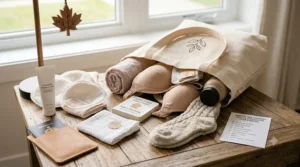
Once cream stops being the answer — because the real problem is a shallow or ineffective latch — a nipple shield becomes the next tool worth discussing with a lactation consultant. Medela’s Contact shield is made from ultra-thin, soft silicone, BPA- and DEHP-free, and comes in three sizes (16mm, 20mm, and 24mm) sized to the diameter of the mother’s nipple rather than a one-size-fits-all guess. The distinguishing feature is the cut-out design: a section of the shield’s brim is open so the baby’s chin and cheek maintain skin-to-skin contact with the breast, which helps preserve some of the bonding and scent cues that a full plastic shield would block. Based on manufacturer and clinical guidance, shields are intended as a short-term bridge — used to help a struggling baby latch while positioning issues, tongue-tie, or prematurity-related weakness get addressed, not as a permanent fixture. A common theme across lactation resources is that a poorly fitted shield can mask pain without actually improving milk transfer, so professional sizing guidance genuinely matters here more than with a cream purchase. This product is best suited to parents dealing with a confirmed latch problem under the guidance of an IBCLC (International Board Certified Lactation Consultant), rather than as a first response to ordinary early-week soreness.
Pros:
- ✅ Cut-out design preserves skin-to-skin contact
- ✅ Three sizes for a more precise nipple-diameter fit
- ✅ Autoclavable silicone for repeated hygienic use
Cons:
- ❌ Requires professional guidance for correct sizing
- ❌ Not a fix for the underlying cause of a poor latch
At roughly C$15-C$20 for a shield with case, it’s a modest investment relative to the frustration it can resolve, provided it’s used as directed alongside lactation support.
7. Ameda Contact Nipple Shield — best alternative brand with a firmer grip centre
Ameda’s version follows the same cut-out philosophy as Medela’s but distinguishes itself with a firmer centre section paired with a softer surrounding rim, designed to give a baby a slightly more defined edge to latch onto while still cushioning sore or sensitive nipple tissue. It’s built from the same category of ultra-thin, flexible, BPA- and DEHP-free silicone, washable and reusable, and ships individually sterile-packed for that first use. What most buyers overlook when choosing between Medela and Ameda is that shield “feel” — firmness, thickness, flexibility — genuinely varies between brands even at the same millimetre size, so a baby who fights one brand’s shield may take to the other without issue. Reviewers consistently report that this shield’s construction feels marginally thicker than Medela’s, which some parents find more durable and others find slightly less delicate against irritated skin. It’s a sensible second option to try if a Medela shield hasn’t resolved latch problems, or as a first pick for parents who’ve read that firmer centre grip helps babies with weaker suck strength, such as premature infants working to build feeding stamina.
Pros:
- ✅ Firmer centre section aids babies with weaker suck
- ✅ Reduces friction on already sore or cracked nipples
- ✅ Individually sterile-packed for hygienic first use
Cons:
- ❌ Slightly thicker feel than some competing shields
- ❌ Sizing runs differently than Medela, so re-measuring helps
Typically priced around C$12-C$18, it’s a reasonable and often cheaper alternative to try if the first shield brand you attempt doesn’t click with your baby.
Top 7 Products at a Glance
| # | Product | Category | Key Advantage | Best For |
|---|---|---|---|---|
| 1 | Lansinoh HPA Lanolin | Lanolin cream | Single-ingredient purity | Budget-conscious beginners |
| 2 | Medela Purelan | Lanolin cream | Pharmacopoeia-grade testing | Purity-focused parents |
| 3 | Motherlove Nipple Cream | Lanolin-free cream | Doubles as pump lubricant | Vegan/wool-sensitive moms |
| 4 | Earth Mama Nipple Butter | Lanolin-free cream | NICU-adopted formula | Sensitive newborn skin |
| 5 | Weleda Nipple Balm | Lanolin-free balm | Fast-absorbing, low stick | Texture-sensitive users |
| 6 | Medela Contact Shield | Nipple shield | Skin-to-skin cut-out design | Latch difficulties |
| 7 | Ameda Contact Shield | Nipple shield | Firmer centre grip | Weak-suck babies |
Scanning the full lineup side by side, the split is roughly even between cream and shield, which reflects how differently nipple pain shows up from one parent to the next. Notice that the two shield options solve a mechanical latch problem rather than a skin problem, so they’re not interchangeable with the five creams above them despite sharing shelf space. If you’re unsure which category you need, the honest answer is that most parents start with a cream and only move to a shield once a lactation consultant confirms latch is the underlying issue.
Practical Usage Guide: Applying Cream and Fitting a Shield Correctly
Getting the technique right matters as much as picking the right product. For cream, wash your hands first, then soften a pea-sized amount between your fingers before applying it to the entire nipple and areola area, ideally right after each feeding while the skin is still slightly damp — this helps lock in moisture rather than applying to already-dry skin. Most lanolin and lanolin-free creams in this guide don’t require washing off before the next feed, but always check your specific product’s label, since formulations do vary. For nipple shields, dip the shield briefly in warm water to make the silicone more pliable, then turn back the rim about halfway, centre your nipple in the tip, and unfold the shield onto the breast so it sits snugly without wrinkles. Common first-30-days mistakes include over-washing nipples with soap (which strips natural oils and can worsen cracking), applying cream before the shield instead of after removing it, and leaving a shield on for entire feedings when it’s meant as a temporary latch-training tool. A simple maintenance habit: wash shields daily in hot, soapy water, rinse thoroughly, and air-dry them rather than towel-drying, which can introduce lint or bacteria to the silicone surface.
Real-World Scenarios: Matching the Right Product to Your Situation
Consider three common profiles. First, the exclusively breastfeeding first-time mom with mild cracking in week two, nursing eight to ten times daily on a modest budget — she’s typically well served by a budget lanolin option like Lansinoh, reapplied after every feed, alongside a latch check from a public health nurse before assuming cream alone will solve it. Second, the mom managing a lanolin sensitivity or vegan household who’s noticed tingling or a rash after her first lanolin tube — she’s a strong candidate for Motherlove or Earth Mama, both of which sidestep the wool-derived ingredient entirely while still offering a protective barrier. Third, the parent of a premature or tongue-tied baby who’s been told by an IBCLC that latch strength is the core issue, not just skin damage — this is the scenario where a nipple shield, sized properly and used under professional guidance, often does more than any cream alone could. Matching your situation to the right tool category, rather than assuming every option solves every problem, saves both money and unnecessary frustration during an already exhausting stretch.
Problem → Solution: Fixing Common Nipple Pain Complaints
Persistent stinging that starts at latch and eases within a minute is often simple early-week tenderness — a thin layer of lanolin or lanolin-free cream after each feed, paired with air-drying, usually resolves it within one to two weeks. Sharp, burning pain that continues throughout and between feedings can signal thrush or a bacterial infection rather than a latch issue, and no cream in this guide is designed to treat that — a call to your healthcare provider is the right next step. Visible cracks or bleeding respond well to a thicker lanolin barrier like Lansinoh or Medela Purelan, since the occlusive layer supports moist wound healing, a method also referenced by Canadian breastfeeding resources for treating nipple trauma. A nipple that turns white after feeding and throbs as blood returns points to vasospasm, which cream won’t fix but a warm compress immediately after nursing often eases. And if your baby simply won’t stay latched no matter the positioning adjustments you try, that’s the scenario where a properly sized nipple shield, discussed with a lactation consultant, becomes worth exploring rather than cycling through cream brands hoping for a different result.
Lanolin vs Lanolin-Free Nipple Cream: What the Difference Actually Means
The core distinction is source material: lanolin is a purified wax derived from sheep’s wool, while lanolin-free creams rely on plant oils, butters, and waxes such as olive oil, shea butter, or beeswax. Based on the available clinical research, a Cochrane-style systematic review found lanolin performs better than routine care for nipple pain and trauma, while some smaller studies found aloe vera and purslane outperforming lanolin in specific trials — the evidence isn’t a clean sweep for either camp. In practice, what most buyers overlook is that the “better” choice often comes down to individual skin tolerance rather than one formula being objectively superior for everyone. Lanolin tends to create a thicker, more occlusive barrier, which some reviewers find superior for deep cracks, while lanolin-free options are generally lighter, less sticky, and the obvious pick for anyone with a known wool sensitivity or a vegan lifestyle preference. Cost-wise, the two categories land in a similar C$15-C$25 range, so price rarely tips the decision either way — ingredient philosophy and personal skin reaction do the real deciding.
How to Choose the Best Nipple Balm for Cracked Nipples
- Confirm the cause first — a poor latch is the single most common source of cracking, so a cream is treating the symptom, not the root issue, until positioning is corrected.
- Check for a single-ingredient or short ingredient list — fewer additives means lower irritation risk on already-broken skin.
- Decide on lanolin or lanolin-free based on any known sensitivities, dietary preferences, or prior reactions.
- Prioritize “safe for baby, no need to wash off” labeling, since you’ll be applying cream right before most feeds.
- Consider texture — thicker lanolin barriers suit deep cracks, while lighter balms suit mild soreness and frequent reapplication.
- Factor in dual-use potential, such as products marketed as pump lubricants, if you’re also expressing milk.
- If cracking persists past two weeks despite consistent cream use, involve an IBCLC or your healthcare provider rather than switching products repeatedly.
Nipple Shield Sizing Guide: Getting the Fit Right
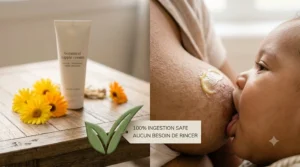
Nipple shields are typically sold in millimetre sizes — commonly 16mm, 20mm, and 24mm — measured across the tip opening rather than the overall shield diameter. According to La Leche League Canada’s guidance on nipple shields, correct sizing means your nipple should be drawn fully into the tip of the shield without excess empty space, while still allowing your baby’s lips to rest on the shield’s brim rather than just the very tip. A shield that’s too small can pinch and cause the same pain it’s meant to prevent, while one that’s too large may not stimulate the roof of the baby’s mouth enough to encourage effective sucking. Because sizing genuinely varies between brands even at the same millimetre marking, it’s worth trying a shield under the supervision of a lactation consultant before buying multiples, and watching for the classic signs of an effective fit: regular deep swallowing, softer breasts after the feed, and steady diaper output. Shields are meant to be a bridge, not a permanent fixture, so most lactation professionals recommend periodically attempting a direct latch as your baby’s strength and coordination improve.
Common Mistakes When Buying Nipple Cream for Breastfeeding
The most frequent misstep is assuming cream alone will resolve pain that’s actually rooted in a latch or positioning problem — no amount of reapplication fixes a shallow latch, and a public health nurse or IBCLC consult is worth more than a second tube of cream. A second common mistake is over-applying: a pea-sized amount is genuinely enough per nipple, and slathering on excess mostly wastes product and can leave uncomfortable residue on nursing pads or clothing. Some parents also assume “natural” automatically means gentler, but plant-derived ingredients like calendula or marshmallow root can still trigger reactions in sensitive skin, just as lanolin can. Buying based on packaging claims like “doctor recommended” without checking the actual ingredient list is another pitfall — that phrase appears on more than one product in this category and isn’t a differentiator on its own. Finally, waiting too long to seek help when pain persists past the expected two-week adjustment window is a mistake with real consequences, since prolonged untreated damage increases infection risk and can undermine milk supply if a parent starts avoiding the affected side.
Breastfeeding Pain Relief: What to Expect Beyond Cream
Cream addresses skin-level discomfort, but broader pain relief during breastfeeding often requires a combined approach. Simple measures like expressing a few drops of milk before latching to soften the nipple, alternating nursing positions to change where pressure lands, and starting each feed on the less sore side first are all recommended in Health Canada’s postpartum health guide as complementary strategies alongside topical treatment. Cool compresses after feeding can ease inflammation, while warm compresses beforehand help with let-down and softening engorged tissue. Over-the-counter pain relief such as acetaminophen, taken with a healthcare provider’s approval, is sometimes used shortly before feeds during the most acute early days. What the spec sheet on any cream won’t tell you is that consistency across all these small habits — not the specific brand you choose — tends to predict how quickly pain resolves. If pain intensity doesn’t trend downward within a week to ten days of consistent care, that’s generally the signal to loop in professional support rather than continuing to self-manage.
Nipple Cream vs. Traditional Home Remedies
| Approach | Convenience | Barrier Protection | Best For |
|---|---|---|---|
| Purified lanolin cream | High — one product, no removal needed | Strong, occlusive | Deep cracks, heavy reapplication |
| Lanolin-free plant cream | High — one product, no removal needed | Moderate, lighter feel | Sensitivities, lighter soreness |
| Expressed breast milk | Free, but requires timing | Mild, short-lived | Very mild tenderness only |
| Coconut or olive oil | Low-cost, needs washing off | Moderate | Budget stopgap, not primary care |
The table makes the trade-off clear: home remedies like expressed milk or kitchen oils cost nothing and can genuinely help with very mild tenderness, but they lack the sustained barrier protection that a purpose-made lanolin or lanolin-free cream provides for deeper cracking. Reviewers and lactation resources tend to treat these home options as a stopgap rather than a replacement, especially once visible cracking sets in. For most parents dealing with more than mild first-week tenderness, a dedicated product from the seven above will outperform a kitchen-cupboard substitute on both convenience and healing support.
Cracked Nipple Healing Timeline: What Real Recovery Looks Like
Mild tenderness in the first three to five days is close to universal and typically fades as latch technique improves with practice on both sides. Visible cracking, if it develops, generally takes one to two weeks to heal with consistent cream application, air-drying between feeds, and correction of any underlying latch issue — healing stalls or reverses if the same damaging latch continues uncorrected. Reviewers and lactation resources alike note that a properly latched baby, even on a healing crack, shouldn’t cause pain that lasts through an entire feeding; pain that’s sharp only at first contact and eases within the first minute is a reasonable sign that healing is on track. If cracks aren’t visibly improving after two weeks despite consistent care, or if you notice signs of infection such as increased redness, warmth, or discharge, that timeline should prompt a call to your healthcare provider rather than continued at-home treatment. Setting realistic expectations matters here: healing is rarely linear, and a day or two of increased soreness during a growth spurt or feeding-frequency change doesn’t necessarily mean the underlying wound has worsened.
✨ Ready to stop guessing and start soothing? Explore the picks above and find the relief that fits your feeds!
Long-Term Cost and Value: Is Premium Nipple Cream Worth It?
Running the numbers, a budget lanolin tube at around C$15-C$20 typically lasts several weeks of regular postpartum use, while a premium option like Weleda in the C$18-C$25 range isn’t dramatically more expensive per tube — the real cost difference over a full breastfeeding journey is usually under C$50 total, even comparing the cheapest and priciest picks in this guide. Where value shifts more meaningfully is in reapplication frequency: a lighter, less occlusive cream may need topping up more often, subtly increasing how many tubes you go through over several months. Nipple shields represent a different value calculation entirely — a one-time C$15-C$20 purchase that, if it resolves a latch problem, can be the difference between continuing to breastfeed and stopping early due to pain, which carries its own set of considerations parents weigh individually. For most families, the total cost of nipple care products over an entire breastfeeding relationship is modest compared to formula costs over the same period, so choosing based on comfort and skin tolerance rather than shaving a few dollars off the cheapest tube tends to be the more practical long-term call.
Features That Actually Matter (And Those That Don’t)
Ingredient purity and a short, recognizable ingredient list matter — these directly affect irritation risk on already-damaged skin. Whether a product needs to be washed off before feeding also matters practically, since remembering an extra step during exhausted 3 a.m. feeds is a genuine burden. What matters far less than marketing suggests: elaborate scent profiles, since a fragrance-free or lightly scented option is generally safer for a newborn’s developing sense of smell and less likely to interfere with breast recognition. “Doctor recommended” branding also carries less weight than it implies, given how many products in this exact category use that same phrase. For nipple shields, brand-name recognition matters less than proper sizing and professional fitting guidance — a well-sized shield from either brand covered here will outperform a poorly sized one from either, regardless of which logo is on the packaging.

Frequently Asked Questions
❓ Do I need to wash off nipple cream before breastfeeding?
❓ How long does it take for cracked nipples to heal?
❓ Is lanolin nipple cream safe for babies?
❓ What size nipple shield do I need?
❓ Can nipple cream prevent soreness before it starts?
Conclusion
Sore nipples during breastfeeding are common, but “common” doesn’t mean you have to just push through without support. Whether you land on a classic lanolin option like Lansinoh, a plant-based alternative like Motherlove or Earth Mama, a premium feel from Weleda, or a nipple shield from Medela or Ameda for a genuine latch problem, the right choice depends on your specific skin, your baby’s latch, and what’s actually causing the pain in the first place. Cream soothes and protects; it doesn’t replace a latch check from a public health nurse or IBCLC if pain persists past the normal early-week adjustment. Treat this guide as a starting point for narrowing down real options, not a substitute for professional lactation support when something feels genuinely wrong rather than just new.
✨ Don’t Miss These Exclusive Deals!
🔍 Take your breastfeeding comfort to the next level with these carefully researched picks. Click through to check current pricing and availability on Amazon.ca, and give your nipples the relief they deserve while you focus on those early days with your baby!
If you’re still weighing lanolin against a plant-based formula, EcoParent’s roundup of lanolin-free nipple cream alternatives is a worthwhile last stop before you decide.
Recommended for You
- Breast Milk Storage Bags: 7 Safe Picks for Canadian Parents (2026)
- Best Nursing Pillow Canada 2026: 7 Top Picks for New Moms
- Best Wearable Breast Pump Canada 2026: 7 Top Picks Reviewed
Disclaimer: This article contains affiliate links. As an Amazon Associate, I earn from qualifying purchases. If you purchase products through these links, we may earn a small commission at no additional cost to you.
✨ Found this helpful? Share it with your friends! 💬🤗
