

In This Article
Picture this: you’re walking through Vancouver’s Stanley Park, and your curious eight-month-old is craning their neck backward, desperately trying to see the world around them. Sound familiar? This is exactly when most Canadian parents discover the magic of forward facing baby carriers.
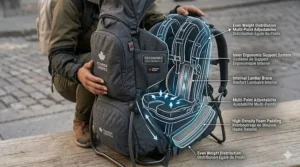
Unlike traditional inward-facing carriers, a forward facing baby carrier allows your little explorer to face outward and engage with their surroundings while you keep them snug and secure against your body. From watching the leaves change colour in Montreal’s Mount Royal Park to observing the CN Tower lights in Toronto, these carriers transform everyday outings into interactive learning experiences.
But here’s what many parents don’t realize: not all carriers are created equal, and timing matters. Health Canada emphasizes that forward facing positions should only be used once your baby has solid head and neck control—typically around 5-6 months. The International Hip Dysplasia Institute also stresses the importance of proper hip positioning in the M-shape (knees higher than bottom, thighs supported) to prevent developmental issues.
In this comprehensive guide, I’ll walk you through seven exceptional forward facing baby carriers available on Amazon.ca, complete with Canadian pricing, safety certifications, and real parent feedback. Whether you’re navigating Calgary’s Chinook winds or Vancouver’s rainy seasons, you’ll find the perfect carrier for your family’s adventures.
Quick Comparison Table
| Carrier | Price (CAD) | Weight Range | Positions | Key Feature |
|---|---|---|---|---|
| Ergobaby Omni 360 | $195-$240 | 7-45 lbs | 4 positions | Cool Air Mesh breathability |
| Infantino Flip 4-in-1 | $45-$75 | 8-32 lbs | 4 positions | Budget-friendly champion |
| BabyBjörn One Air | $260-$310 | 8-33 lbs | 4 positions | Premium mesh construction |
| LÍLLÉbaby Complete | $180-$225 | 7-45 lbs | 6 positions | Temperature-regulating panel |
| Momcozy Move2Fit | $85-$120 | 7-44 lbs | 6 positions | Detachable hip seat |
| Tushbaby Hip Seat | $95-$130 | 8-45 lbs | 4 positions | Compact, folds quickly |
| Baby Tula Explore | $170-$210 | 7-45 lbs | 3 positions | Stylish linen options |
💬 Just one click – help others make better buying decisions too! 😊
Top 7 Forward Facing Baby Carriers: Expert Analysis
1. Ergobaby Omni 360 Cool Air Mesh – The All-Season Canadian Champion
The Ergobaby Omni 360 consistently tops lists for good reason—it’s the Swiss Army knife of baby carriers. Available on Amazon.ca for $195-$240 CAD, this carrier handles everything from Edmonton’s -30°C winters (when worn under a coat) to Toronto’s humid summers.
Key Specifications:
- Weight capacity: 7-45 lbs (3.2-20.4 kg)
- Four ergonomic positions: front-inward, front-outward, hip, and back carry
- Cool Air Mesh construction for maximum breathability
The Cool Air Mesh version features 3D air mesh fabric that promotes airflow—critical for Canadian parents dealing with temperature swings. The crossable shoulder straps let you customize the fit, while the lumbar support waistbelt distributes weight across your hips rather than your shoulders.
Canadian parents consistently praise its durability through multiple children. One Calgary reviewer noted: “Used this through two kids and three seasons—from Stampede to ski hills. Still going strong after four years.” The forward facing position is perfect once your baby reaches 5 months with solid neck control.
✅ Pros:
- Hip-healthy certification from International Hip Dysplasia Institute
- Fits caregivers from petite to plus-size (no extender needed)
- Machine washable (essential for Canadian mud season)
❌ Cons:
- Higher price point (though excellent value over time)
- Slightly bulky for compact storage

2. Infantino Flip Advanced 4-in-1 – Best Budget-Friendly Option
At $45-$75 CAD on Amazon.ca, the Infantino Flip Advanced 4-in-1 proves you don’t need to spend $200+ for quality. This is America’s (and increasingly Canada’s) best-selling carrier for good reason—it delivers ergonomic support without the premium price tag.
Key Specifications:
- Weight capacity: 8-32 lbs (3.6-14.5 kg)
- Convertible seat adjusts from narrow to wide
- Includes Wonder Cover bib
The convertible seat is genuinely clever: narrow position for newborns (with head support), wide setting for older babies maintaining that crucial M-position for hip health. The padded waistband and shoulder straps distribute weight effectively, though not quite as comfortably as premium models during extended wear.
Manitoba parents particularly appreciate the value proposition. As one Winnipeg reviewer shared: “Perfect first carrier before investing in something pricier. My 10-month-old loves facing out during grocery runs.”
✅ Pros:
- Outstanding value for money
- Widely available across Canada
- Multiple pattern options
❌ Cons:
- Less padding than premium carriers
- Limited lumbar support for long outings
3. BabyBjörn One Air – Premium Scandinavian Engineering
Swedish design meets Canadian practicality with the BabyBjörn One Air, priced at $260-$310 CAD. If you’re willing to invest in the best, this carrier delivers exceptional comfort and longevity.
Key Specifications:
- Weight capacity: 8-33 lbs (3.6-15 kg)
- 100% breathable 3D mesh
- Hip Dysplasia Institute certified
The entirely mesh construction isn’t just marketing—it genuinely keeps both parent and baby cooler. The adjustable leg openings feature lockable zippers that grow with your baby, ensuring a custom fit from 4 months through toddlerhood. The extra padding in shoulder straps provides comfort even during extended wear.
Ontario cottage-goers love this carrier. One Muskoka parent noted: “Used this all summer at the cottage—baby stayed cool even in humid July weather. The quick-dry fabric is perfect for lake life.”
✅ Pros:
- Superior breathability for Canadian summers
- Excellent weight distribution
- 10-year quality guarantee
❌ Cons:
- Premium pricing
- Mesh can feel less cozy in winter months
4. LÍLLÉbaby Complete All Seasons 6-in-1 – The Canadian Climate Specialist
The LÍLLÉbaby Complete All Seasons ($180-$225 CAD) is specifically designed for parents who experience dramatic seasonal changes—making it ideal for Canadian climates. The genius zippered panel transforms this carrier from winter-ready to summer-cool in seconds.
Key Specifications:
- Weight capacity: 7-45 lbs (3.2-20.4 kg)
- Six ergonomic positions including fetal and hip carry
- Temperature-regulating zippered mesh panel
That zippered mesh panel deserves special attention. Zip it up on chilly autumn mornings in the Maritimes, unzip for breathability during Prairie summers. The adjustable seat width adapts as your baby grows, maintaining hip-healthy positioning throughout all stages.
Saskatchewan parents particularly appreciate the versatility. A Regina reviewer shared: “The zip panel is brilliant—closed for morning walks in November, open by afternoon when the temperature jumps 15 degrees. Very Canadian-friendly.”
✅ Pros:
- Climate-adaptable design perfect for Canadian seasons
- Six carrying positions offer maximum versatility
- Generous storage pocket
❌ Cons:
- Slightly heavier than competitors
- Learning curve for position adjustments
5. Momcozy Move2Fit 2-in-1 Hip Seat Carrier – Innovation Meets Affordability
The Momcozy Move2Fit ($85-$120 CAD) represents a newer generation of hybrid carriers, combining traditional soft-structured design with a detachable hip seat. This Canadian innovation offers exceptional value and flexibility.
Key Specifications:
- Weight capacity: 7-44 lbs (3.2-20 kg)
- Six versatile positions
- 3D abdominal support with EVA massage pad
The standout feature is the detachable design. Use the hip seat alone for quick grocery runs, attach the upper carrier for longer outings. The 3D abdominal protector is particularly appreciated by C-section moms—the EVA massage pad relieves pressure while the widened waistbelt distributes weight evenly.
British Columbia parents love the adaptability. A Vancouver reviewer noted: “Perfect for our active lifestyle—hip seat only for quick errands around Granville Island, full carrier for Lynn Canyon hikes. The storage pockets fit diapers, wipes, AND my phone.”
✅ Pros:
- 2-in-1 versatility (hip seat or full carrier)
- C-section friendly design
- Multiple storage compartments
❌ Cons:
- Requires one hand on baby when using hip seat alone
- Slightly bulkier than traditional carriers

6. Tushbaby Hip Seat Carrier – The Quick-Transition Champion
The Tushbaby ($95-$130 CAD) revolutionizes the hip seat category with its minimalist, strap-free design. Weighing under 1 pound, this carrier is perfect for Canadian parents who value simplicity and portability.
Key Specifications:
- Weight capacity: 8-45 lbs (3.6-20.4 kg)
- Four carrying positions
- Machine washable with memory foam seat
Unlike traditional carriers, Tushbaby eliminates complicated straps and buckles. One secure waistbelt buckle and you’re ready. The memory foam seat keeps baby comfortable while the plush waistband padding protects your abdomen—crucial for postpartum recovery.
Toronto parents praise its convenience. A downtown parent shared: “Game-changer for daycare drop-offs. My toddler wants up-down-up-down constantly. With Tushbaby, transitions take seconds instead of minutes of strap adjustments.”
✅ Pros:
- Incredibly lightweight and compact
- Folds up quickly for storage
- Doubles as diaper bag with generous pockets
❌ Cons:
- Requires one hand to support baby
- Not suitable for long-distance hiking
7. Baby Tula Explore Carrier – Stylish Meets Functional
The Baby Tula Explore ($170-$210 CAD) brings fashion-forward design to the carrier market without sacrificing functionality. If aesthetics matter to you, Tula’s extensive print library offers something for every style.
Key Specifications:
- Weight capacity: 7-45 lbs (3.2-20.4 kg)
- Three ergonomic positions: front-in, front-out, back carry
- Available in cotton, linen, and mesh varieties
The adjustable body panel features three width settings, eliminating the need for infant inserts. The padded neck support pillow provides crucial support for newborns and sleeping babies, while the breathable cotton feels soft against baby’s skin.
Quebec parents particularly appreciate the aesthetic appeal. A Montreal reviewer noted: “The linen Ash colour is gorgeous—looks elevated enough for cafés in the Plateau but functional enough for Parc La Fontaine walks. Baby seems comfortable and the forward-facing option is perfect for our curious 7-month-old.”
✅ Pros:
- Beautiful, fashion-forward designs
- No infant insert required
- Hip-healthy certified
❌ Cons:
- Pricier than budget options
- Fewer carrying positions than some competitors
✨ Don’t Miss These Exclusive Deals!
🔍 Take your babywearing to the next level with these carefully selected products available in Canada. Click on any highlighted item to check current pricing and availability on Amazon.ca. These carriers will help you create authentic bonding moments your family will love!
Understanding Outward Facing Carrier Safety for Canadian Parents
Safety isn’t negotiable when it comes to forward facing baby carriers. Health Canada provides clear guidelines that every Canadian parent should understand before transitioning to world-facing positions.
When Can Baby Face Forward?
According to Health Canada’s baby carrier safety guidelines, babies should have strong head and neck control before facing outward—typically around 5-6 months. The International Hip Dysplasia Institute adds that babies must be able to hold their heads upright independently without bobbing or tilting.
Here’s what pediatricians recommend checking:
- Baby can hold head steady during tummy time
- No head lag when pulled to sitting position
- Baby actively looks around with controlled head movements
- Weight meets carrier’s minimum requirements (usually 12-16 lbs)
The M-Position: Your Baby’s Hip Health Guardian
Every forward facing carrier reviewed in this guide maintains the M-position or “frog-leg” position crucial for healthy hip development. This means:
- Knees positioned higher than baby’s bottom
- Thighs fully supported from knee to knee
- Hips naturally spread apart (not forced together)
- Legs free to move and kick
The International Hip Dysplasia Institute warns that narrow-based carriers forcing legs straight down increase hip dysplasia risk, particularly during the first six months when hip joints are still developing.

Canadian-Specific Safety Considerations
Temperature Regulation
Canadian weather extremes demand extra attention to baby’s temperature:
- Winter carrying: Layer baby appropriately; carrier doesn’t replace a coat
- Summer months: Choose mesh carriers, watch for overheating signs
- Seasonal transitions: Monitor baby frequently during temperature swings
Visibility Requirements
Health Canada emphasizes you should always be able to see baby’s face without moving fabric or adjusting position. This is especially important in forward-facing positions where baby’s face isn’t pressed against your chest.
Time Limits for Forward Facing
Even with proper positioning, limit forward-facing time to 15-20 minutes for younger babies, gradually increasing as they develop stronger core and neck muscles. Too much time facing outward can overstimulate babies and strain their developing muscles.
How to Choose a Forward Facing Carrier in Canada: 7 Essential Steps
Step 1: Verify Age and Weight Compatibility
Before purchasing, confirm your baby meets the carrier’s requirements. Most forward facing baby carriers accommodate babies 5-6 months and up, but weight minimums vary from 12-16 pounds (5.4-7.3 kg). Check manufacturer guidelines carefully—using a carrier before your baby is ready compromises safety.
Step 2: Assess Your Climate Needs
Canadian weather diversity demands strategic choices. If you’re in Vancouver, prioritize breathable mesh for rainy but mild weather. Prairie parents should consider temperature-regulating features like LÍLLÉbaby’s zippered panels for extreme seasonal swings. Coastal Maritimes parents might prefer quick-dry fabrics that handle humidity.
Step 3: Consider Your Lifestyle and Activities
Urban parents doing quick errands appreciate carriers like Tushbaby for instant on-off convenience. Hiking enthusiasts need robust carriers like Ergobaby Omni 360 with superior lumbar support and weight distribution. Consider where you’ll use the carrier most: transit commutes, outdoor adventures, or around-the-house tasks.
Step 4: Evaluate Comfort Features for Extended Wear
Test the padding and weight distribution system. Quality carriers distribute baby’s weight across your hips and shoulders through padded waistbelts and shoulder straps. If you have back issues or plan extended wear sessions, prioritize carriers with strong lumbar support.
Step 5: Check Hip Health Certification
Every carrier in this guide features International Hip Dysplasia Institute certification or acknowledgment. This independent verification ensures the carrier maintains proper M-position and supports healthy hip development. Don’t compromise on this certification—hip dysplasia can have long-term consequences.
Step 6: Factor in Growth Potential
Calculate cost-per-use by choosing carriers that grow with your baby. Models accommodating 7-45 pounds (like Ergobaby and LÍLLÉbaby) serve you from early infancy through toddlerhood, offering better value despite higher upfront costs. Budget carriers covering 8-32 pounds work well if you plan to transition to backpack carriers for toddlers.
Step 7: Budget Appropriately
Quality carriers range from $45 CAD (Infantino) to $310 CAD (BabyBjörn). The sweet spot for most Canadian families sits around $100-$200 CAD, balancing quality features with reasonable pricing. Remember to factor in Amazon.ca Prime shipping benefits and seasonal sales.
Front Facing Carrier Reviews: What Canadian Parents Really Think
Real feedback from Canadian parents reveals valuable insights beyond manufacturer specifications. Here’s what families across Canada are saying:
Temperature Performance: Parents from Thunder Bay to St. John’s consistently mention that mesh carriers handle Canadian summers better than cotton varieties. However, Quebec parents note that mesh feels less cozy during autumn and winter months when babies need extra warmth.
Ease of Use: The learning curve varies significantly. Tushbaby and Momcozy receive praise for intuitive design requiring minimal instruction, while LÍLLÉbaby’s six positions initially overwhelm some first-time parents. Most report mastering their carrier within 3-5 uses.
Durability Through Canadian Elements: Carriers face serious testing in Canadian conditions—salt spray in Halifax, prairie dust storms, mountain trail wear. Ergobaby and BabyBjörn consistently outlast competitors, with many parents reporting 3+ years of heavy use through multiple children.
Storage and Portability: Urban Canadian parents particularly value compact carriers. Tushbaby folds into diaper bags, while bulkier models like LÍLLÉbaby require dedicated storage space. This matters in smaller Toronto condos or Vancouver apartments where space is premium.
Ergonomic Forward Carrier Features That Matter in Canada
Weight Distribution Systems
Premium carriers use sophisticated engineering to transfer baby’s weight from your shoulders to your hips and core. The waistbelt should sit above your hips (not on them), while shoulder straps adjust for your height and torso length. Cross-strap options, available on Ergobaby and LÍLLÉbaby, provide alternative weight distribution for different body types.
Padding Quality and Placement
Strategic padding makes hours of difference. Look for:
- Thick shoulder strap padding (minimum 1 inch/2.5 cm)
- Lumbar support in the waistbelt
- Soft edges that won’t dig into baby’s thighs
- Extra padding around leg openings
Canadian parents wearing carriers through winter coats need wider straps that accommodate bulky clothing without cutting into shoulders.

Adjustability for Multiple Caregivers
If both parents or grandparents will use the carrier, adjustability matters enormously. Carriers like Ergobaby and Tula feature quick-adjust sliders that accommodate height differences from 5’0″ to 6’4″ without complete restrapping. This flexibility prevents the daily frustration of readjusting multiple buckles and straps.
Fabric Selection for Canadian Seasons
Consider fabric carefully:
- Mesh varieties: Excellent for May-September, questionable comfort October-April
- Cotton blends: Versatile year-round, though can feel warm in July-August
- Linen options: Naturally temperature-regulating, ideal for variable climates
- Specialty weaves: LÍLLÉbaby’s climate-adaptive fabrics balance warmth and breathability
Directional Baby Carrying Positions Explained
Front-Facing Inward (Newborn to Toddler)
This traditional position keeps baby against your chest, ideal for newborns through early months. Baby faces you, promoting bonding and allowing easy monitoring of breathing and comfort. Health Canada recommends this position for babies without strong head control.
Front-Facing Outward (5+ Months)
Once baby demonstrates solid head and neck control, the forward facing position opens up their world. This position suits curious babies ready to observe their surroundings but still needing the security of being held. Limit duration to prevent overstimulation—15-20 minutes for younger babies, extending as they mature.
Hip Carry Position (4+ Months)
Hip carry positions (available on LÍLLÉbaby and some other models) allow baby to sit on your hip while supported by the carrier. This position suits older babies who want more independence while maintaining security. Perfect for grocery shopping or household tasks requiring frequent visual check-ins with baby.
Back Carry (6+ Months)
Back carrying, while not strictly “forward facing,” allows baby to view the world over your shoulders. This position works best for extended wear and hiking. Baby must have excellent head and trunk control before attempting back carries.
Infant Viewing Carrier Maintenance for Canadian Conditions
Cleaning Best Practices
Canadian elements—road salt, playground sand, food spills—demand regular cleaning:
- Machine wash carriers monthly (or more frequently with heavy use)
- Use cold water and gentle cycle to preserve fabric integrity
- Avoid fabric softeners which can reduce mesh breathability
- Air dry rather than machine dry to prevent shrinkage
Storage Between Uses
Proper storage extends carrier lifespan:
- Store in dry locations to prevent mildew (crucial in humid coastal regions)
- Keep away from direct sunlight which can fade fabrics
- Fold according to manufacturer instructions to maintain shape
- Check buckles and straps regularly for wear or damage
Seasonal Maintenance Checks
Before each season transition, inspect:
- Buckle integrity and spring action
- Strap stitching for fraying or weakness
- Waistbelt padding for compression or damage
- Mesh panels for tears or holes
Replace carriers showing significant wear—safety always trumps sentimental value.
When to Upgrade: Transitioning from Infant to Toddler Carriers
Most parents wonder when to transition from forward facing baby carriers to toddler-specific options. Here’s guidance based on developmental milestones rather than arbitrary age cutoffs:
Signs Your Baby Has Outgrown Their Carrier
- Baby’s weight exceeds manufacturer’s maximum (usually 32-45 lbs/14.5-20.4 kg)
- Baby’s legs dangle significantly below carrier
- You experience increased back strain despite proper adjustment
- Baby consistently resists being placed in carrier
- Carrier straps are at maximum extension
Alternative Options for Older Toddlers
Once babies outgrow infant carriers, consider:
- Hiking backpack carriers: Superior for outdoor adventures with children 20-45 lbs
- Soft-structured toddler carriers: Extended weight capacity models like Tula Toddler
- Hip seat carriers: Momcozy and Tushbaby accommodate toddlers up to 45 lbs
Many Canadian families keep both a forward facing carrier and a toddler backpack, using each for appropriate activities.
Shopping Smart: Canadian Pricing and Availability
Understanding Canadian Market Pricing
Carrier prices on Amazon.ca typically run $20-$40 CAD higher than US prices due to import duties, shipping costs, and currency exchange. However, purchasing through Amazon.ca provides several advantages:
- Faster shipping (2-5 days vs 2-3 weeks international)
- No surprise customs fees
- Easier returns and customer service
- Prices listed in Canadian dollars
Best Times to Buy in Canada
Strategic timing saves significant money:
- Amazon Prime Day (July): Discounts of 20-30% on premium carriers
- Black Friday/Cyber Monday (November): Best annual deals, often 30-40% off
- Post-Christmas Sales (January): Retailers clear inventory
- Spring Sales (March-April): New season launches prompt older model discounts
Provincial Considerations
Some provinces offer advantages:
- Alberta: No PST means 5% GST only
- Ontario/BC: Higher sales tax (13% HST / 12% PST+GST) but broader selection
- Remote areas: Confirm carrier availability for your postal code before purchasing

❓ Frequently Asked Questions
❓ When can babies safely face forward in carriers?
❓ How long can babies stay in forward facing position?
❓ Are forward facing baby carriers bad for hips?
❓ What is the price range for forward facing carriers in Canada?
❓ Can I use a forward facing carrier in winter?
Conclusion: Finding Your Perfect Forward Facing Baby Carrier Match
Choosing the right forward facing baby carrier transforms your Canadian parenting experience from exhausting to enjoyable. Whether you’re navigating Winnipeg’s winter farmers markets, hiking Banff trails, or exploring Old Montreal streets, the right carrier keeps your baby safe, comfortable, and engaged with the world.
For budget-conscious families, the Infantino Flip 4-in-1 ($45-$75 CAD) delivers impressive value. Parents prioritizing versatility and Canadian climate adaptation should consider the LÍLLÉbaby Complete All Seasons ($180-$225 CAD) with its genius zippered panel. Those seeking premium quality and longevity won’t regret investing in the Ergobaby Omni 360 ($195-$240 CAD).
Remember these key takeaways:
- Wait until 5-6 months with solid head control before forward facing
- Prioritize hip-healthy certification from International Hip Dysplasia Institute
- Choose climate-appropriate fabrics for your Canadian region
- Limit forward-facing duration to prevent overstimulation
Every baby and parent pair is unique. Trust your instincts, prioritize safety certifications, and don’t hesitate to try different carriers until you find your perfect match. The bonding opportunities and hands-free convenience make forward facing baby carriers among the smartest investments in your parenting journey.
Recommended for You
- 7 Best Travel Baby Carriers 2026: Expert-Tested Guide Canada
- 7 Best Cheap Baby Wraps Canada 2026 | Under $60 CAD
- 100 in Canada 2026 (Budget-Friendly Gems!)
✨ Found this helpful? Share it with your friends! 💬🤗
