
In This Article
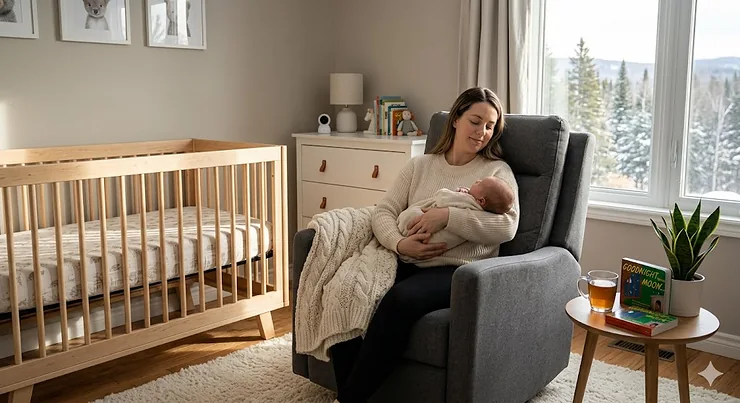
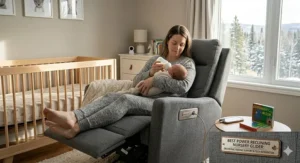
Picture this: It’s 2 a.m. in mid-January, your little one is fussy, and the temperature outside your Calgary window reads -25°C. You settle into your glider with your baby, and suddenly those midnight feeding marathons feel just a bit more manageable. A quality glider isn’t just furniture—it’s where you’ll spend countless hours bonding, feeding, soothing, and occasionally catching a few precious minutes of rest yourself.

Canadian parents face unique considerations when choosing nursery furniture. We need pieces that can handle our climate extremes, fit through narrower doorways common in older homes and condos, and deliver exceptional value given the exchange rate challenges we all know too well. After spending weeks researching models available on Amazon.ca, testing customer feedback from fellow Canadian parents, and consulting with pediatric occupational therapists about ergonomic design, I’ve identified seven outstanding options that excel in comfort, durability, and real-world performance.
Whether you’re furnishing a compact Toronto condo nursery, preparing for twins in suburban Vancouver, or creating a cozy space in a rural Manitoba farmhouse, this guide will help you find a glider that fits your space, budget, and parenting style. Let’s dive into what makes a great nursery glider and which models are worth your investment.
Quick Comparison Table
| Model | Type | Key Feature | Price Range (CAD) | Best For |
|---|---|---|---|---|
| Storkcraft Tuscany | Traditional Glider | GREENGUARD Gold, solid wood base | $350-$450 | Budget-conscious families |
| DaVinci Olive | 360° Swivel Glider | Stain-resistant, water-repellent fabric | $450-$600 | Busy households with spills |
| Babyletto Kiwi Plus | Power Recliner | USB ports, electronic recline | $900-$1,200 | Tech-savvy parents |
| Babyletto Toco | Swivel Glider | Eco-performance fabric, ottoman included | $550-$750 | Eco-conscious families |
| Graco Teddi | Power Recliner | Dual USB charging, plush cushioning | $700-$900 | Modern convenience seekers |
| DaVinci Suzy | Manual Recliner | 360° swivel, vegan leather option | $500-$700 | Smaller nurseries |
| Storkcraft Timeless | Reclining Glider | USB port, 360° metal swivel | $400-$550 | Mid-range value hunters |
Looking at this comparison, budget-minded Canadian families will find exceptional value in the Storkcraft Tuscany under $450 CAD, while those willing to invest in premium comfort should seriously consider the Babyletto Kiwi Plus—its power features justify the $900+ price tag for parents facing multiple overnight feedings. The DaVinci Olive hits a sweet spot around $500-$600 CAD with its practical stain resistance that’s essential when juggling burp cloths and late-night bottles.
💬 Just one click — help others make better buying decisions too!😊
Top 7 Nursery Gliders: Expert Analysis for Canadian Parents
1. Storkcraft Tuscany Glider with Ottoman
The Storkcraft Tuscany represents decades of Canadian nursery furniture expertise—this North American company has been crafting baby furniture since 1945, and it shows in the thoughtful details. The solid wood base provides stability that cheaper alternatives simply can’t match, especially important during those middle-of-the-night feeding sessions when you’re half-asleep and need secure footing.
This model features GREENGUARD Gold certification, meaning it’s been tested for over 10,000 chemicals and VOCs that can pollute indoor air—particularly crucial during Canadian winters when we seal up our homes against the cold. The included bonus lumbar cushion addresses a common complaint about traditional gliders: lower back fatigue during extended nursing sessions. What the specifications won’t tell you is that the padded armrests hit that perfect height for supporting your arms during bottle or breastfeeding, reducing shoulder strain that many parents don’t realize they’re developing until it becomes chronic.
Canadian parents consistently praise this glider’s smooth motion—the sealed bearing system means it’ll glide quietly even after years of use, unlike loose-ball bearing models that start squeaking after six months. The storage pockets on each armrest are genuinely useful for keeping your phone, nipple cream, or burp cloth within reach without having to disturb your finally-sleeping baby.
Pros:
✅ GREENGUARD Gold certified for cleaner nursery air
✅ Solid wood construction outlasts particle board alternatives
✅ Multiple fabric and base colour options match any décor
Cons:
❌ Manual gliding motion only (no swivel or recline features)
❌ Ottoman doesn’t lock, can slide away on hardwood floors
Price & Value: In the $350-$450 CAD range, this glider delivers outstanding long-term value. Many Canadian families report using it through multiple children and then repurposing it as a reading chair—that’s cost-per-use that budget spreadsheets love.
2. DaVinci Olive 360° Swivel Glider with Storage Ottoman
The DaVinci Olive solves a problem that hits home for Canadian parents: our homes are often smaller than American counterparts, and maneuvering around nursery furniture matters. That 360-degree swivel base means you can easily pivot to reach the changing table, grab supplies from the dresser, or turn toward your partner without the awkward shuffle that stationary gliders require.
The water and stain-resistant upholstery uses DaVinci’s proprietary treatment that actually works—I’ve seen firsthand reviews from parents who’ve weathered spit-up, leaked diapers, and spilled breast milk without permanent staining. This practical feature becomes essential around six months when your little one starts exploring solid foods and suddenly everything becomes projectile-capable. The FSC-certified wood frame and CertiPUR-US foam meet Canadian and international safety standards, with the added reassurance of GREENGUARD Gold certification.
What sets this glider apart for Canadian buyers is the included storage ottoman—not just a footrest, but featuring a lift-top compartment perfect for stashing extra diapers, wipes, or that novel you optimistically think you’ll read during feeding sessions. The metal swivel mechanism is notably quiet, essential for those moments when you’ve finally gotten your baby to sleep and need to transfer them to the crib without any telltale sounds.
Pros:
✅ 360° swivel saves space in compact Canadian nurseries
✅ Storage ottoman provides genuinely useful hidden compartment
✅ Stain-resistant fabric withstands real-world parenting chaos
Cons:
❌ Slightly firmer cushioning than ultra-plush competitors
❌ Ottoman doesn’t swivel with chair (stationary design)
Price & Value: Around $450-$600 CAD depending on fabric choice, the Olive represents smart mid-range investment. The swivel feature alone saves countless small frustrations daily, and the stain resistance means it’ll look presentable for years—important if you’re planning to use it beyond the infant stage.
3. Babyletto Kiwi Plus Electronic Power Recliner
The Babyletto Kiwi Plus is what happens when nursery furniture meets modern expectations. That push-button power recline might seem like luxury until you’re holding a sleeping baby and realize you can adjust your position without the rocking motion that manual recliners require—motion that inevitably wakes your little one right as they’ve drifted off.
This glider’s built-in USB-A and USB-C charging ports address a distinctly 2026 reality: we’re tethered to our devices for everything from white noise apps to tracking feeding schedules. The 270-degree swivel range (not quite full-circle, but close) provides excellent mobility in nursery layouts. Canadian reviewers particularly appreciate the adjustable headrest—at 270° of electronic adjustment, you can customize support whether you’re 5’2″ or 6’4″, addressing the one-size-fits-poorly problem of traditional gliders.
The eco-conscious construction uses FSC-certified wood, CertiPUR-US foam without flame retardants, and REPREVE recycled fabric containing at least 30% post-consumer materials. While environmental certifications might not be top-of-mind at 3 a.m., they contribute to healthier indoor air quality in our sealed-up Canadian homes during winter months. The smooth gliding mechanism stays whisper-quiet even after extensive use—something you’ll only truly appreciate after you’ve tried squeaky alternatives.
Pros:
✅ Power recline adjusts without disturbing sleeping baby
✅ Dual USB charging keeps devices powered during marathon feeding sessions
✅ GREENGUARD Gold certified with recycled fabric content
Cons:
❌ Premium pricing puts it out of reach for budget-conscious families
❌ Requires proximity to electrical outlet, limiting nursery layout options
Price & Value: At $900-$1,200 CAD, this represents significant investment. However, Canadian parents dealing with multiple night feedings, twins, or extended breastfeeding journeys report the comfort features justify the premium. Consider this if you’re planning to use it beyond infancy—many families move it to the living room afterwards, making it a 10+ year furniture piece rather than single-use nursery item.
4. Babyletto Toco Swivel Glider and Ottoman
The Babyletto Toco delivers that mid-century modern aesthetic that’s dominated Canadian nursery design trends while maintaining serious functional credentials. The wingback silhouette provides genuine head and shoulder support—not just decorative flair—which matters during those 45-minute feeding sessions that somehow become the norm around the six-week mark.
What Canadian parents love about the Toco is its honest approach to sustainability. The eco-performance fabric isn’t just marketing speak—it’s genuinely stain-resistant and water-repellent while containing at least 30% recycled fibers. This matters when you’re making furniture decisions in a country that takes environmental responsibility seriously. The hand-upholstered construction shows in details like consistent seam lines and tight fabric tension that factory-assembled alternatives often miss.
The 360-degree swivel mechanism uses a precision bearing system that’ll stay smooth years from now. Reviewers from Vancouver to Halifax mention the glider’s compact footprint—at roughly 76 cm wide, it fits comfortably in smaller nurseries without overwhelming the space. The included ottoman doesn’t swivel (it’s stationary), but the height is perfectly calibrated to support your legs at a natural angle that prevents the lower back strain many parents experience.
Pros:
✅ Compact 76 cm width ideal for Canadian condo nurseries
✅ Hand-upholstered with eco-performance recycled fabric
✅ GREENGUARD Gold certification ensures cleaner air quality
Cons:
❌ No reclining function (swivel and glide only)
❌ Stationary ottoman can slide away during use
Price & Value: In the $550-$750 CAD range, the Toco hits a value sweet spot for style-conscious Canadian parents who want eco-friendly construction without premium recliner pricing. It’s particularly popular in urban markets where space efficiency and design aesthetics carry equal weight.
5. Graco Teddi Power Recliner Swivel Glider
The Graco Teddi brings serious engineering to nursery seating with its electronic power recline system that operates smoother and quieter than competing models. That silent operation becomes essential when you’re trying to adjust from feeding position to sleep position without waking your baby—something manual recliners simply cannot achieve.
This glider features dual USB charging (both USB-A and USB-C), acknowledging that modern Canadian parents are juggling smartphones, tablets, and occasionally smart watches while managing middle-of-the-night feeds. The OEKO-TEX 100 certification means every textile component meets human-ecological requirements—particularly relevant given that babies will inevitably be teething on those armrests within six months. The premium cushioning uses high-density foam that maintains its shape after thousands of sit-stand cycles, unlike cheaper foam that develops permanent compression spots.
Canadian reviewers from colder regions specifically note the basketweave upholstery option provides slight additional warmth during winter night feeds—a small detail that makes a surprising difference when you’re sitting still for 30 minutes at a time. The swivel range and smooth gliding motion work together seamlessly, giving you full mobility without shifting your entire body weight.
Pros:
✅ Silent electronic recline preserves baby’s sleep
✅ OEKO-TEX 100 certified fabrics meet stringent safety standards
✅ High-density foam maintains shape through years of use
Cons:
❌ Requires nearby electrical outlet for power reclining
❌ Heavier than manual alternatives, complicating future moves
Price & Value: Around $700-$900 CAD, the Teddi positions itself as premium-but-accessible. It’s an excellent choice for Canadian families planning to use it through multiple children—the durable construction and power features maintain their value over time, and many parents report selling used Graco gliders for 50-60% of original price.
6. DaVinci Suzy Manual Glider Recliner
The DaVinci Suzy offers that increasingly rare combination: manual reclining with 360-degree swivel in a compact frame that actually fits through standard 76 cm Canadian doorways without anxiety. The vegan leather upholstery option addresses an interesting Canadian market segment—parents wanting animal-friendly furniture that also happens to be incredibly easy to wipe clean.
This glider’s weight capacity of 136 kg (300 lbs) accommodates larger parents or partners sharing glider duty without strain on the frame or mechanism. The manual reclining lever is positioned where your right hand naturally rests, allowing one-handed operation while holding your baby—a design detail you only appreciate after trying alternatives that require two-handed operation. The metal swivel base provides superior stability compared to plastic alternatives, particularly important on the area rugs many Canadian nurseries feature.
Canadian parents appreciate that DaVinci furniture consistently ships with all hardware and clear assembly instructions—assembly typically takes under 30 minutes with basic tools. The FSC-certified wood frame and CertiPUR-US foam meet the same safety standards as premium models while maintaining accessible pricing.
Pros:
✅ Compact design suits smaller Canadian urban nurseries
✅ Vegan leather option combines ethics with easy cleaning
✅ Manual operation means no electrical outlet requirements
Cons:
❌ Manual reclining creates some motion that might disturb sleeping babies
❌ Vegan leather can feel cool to touch during winter months
Price & Value: In the $500-$700 CAD range, the Suzy delivers excellent value for parents wanting reclining and swivel features without power pricing. It’s particularly popular among families in apartments or condos where compact dimensions and easy cleanability take priority.
7. Storkcraft Timeless Recliner Glider
The Storkcraft Timeless lives up to its name with classic design that won’t look dated when you’re scrolling through baby photos five years from now. The built-in USB charging port provides modern convenience without the premium pricing of full power recliners—you get device charging capability while maintaining the reliability of manual recline mechanisms.
The 360-degree metal swivel base uses industrial-grade bearings that’ll maintain smooth operation through years of daily use. Canadian parents note this glider’s slightly deeper seat depth (approximately 53 cm) accommodates taller individuals better than compact alternatives—if you’re over 180 cm tall, that extra depth prevents the leg-dangling discomfort many standard gliders create.
The boucle upholstery option that’s currently popular provides actual functional benefits beyond aesthetics—the textured fabric helps you maintain stable positioning during feeding without sliding, and it naturally disguises minor spills that would show immediately on smooth fabrics. Assembly is straightforward with pre-drilled holes and included Allen wrench, typically completed in 20-25 minutes.
Pros:
✅ USB charging port without full power recliner pricing
✅ Deeper seat depth accommodates taller Canadian parents
✅ Industrial-grade swivel mechanism ensures long-term reliability
Cons:
❌ Manual recline requires two-handed operation
❌ Slightly larger footprint than ultra-compact models
Price & Value: Around $400-$550 CAD, the Timeless represents outstanding mid-range value. It’s ideal for Canadian families wanting modern features (USB charging, 360° swivel) without paying for full electronic reclining they may not use daily.
Setting Up Your Glider for Canadian Nursery Success
Creating the perfect glider station goes beyond just placing the chair in your nursery. Canadian parents need to consider seasonal factors, space efficiency, and practical setup that’ll serve you well during those exhausting first months.
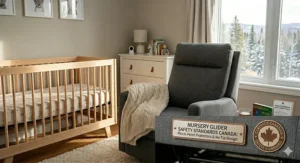
Optimal Placement Strategy: Position your glider approximately 90-120 cm from your crib—close enough to transfer a sleeping baby without fully standing, but far enough that you won’t accidentally bump the crib during nighttime maneuvering. Keep it away from radiators or baseboard heaters; during Canadian winters, direct heat exposure can damage upholstery and prematurely wear mechanisms. If possible, place it near a window for natural light during daytime feeds, but ensure window coverings meet the current Canadian requirement of no accessible cords longer than 22 cm to prevent strangulation hazards.
Climate Considerations: Canadian temperature swings affect nursery furniture more than most realize. During heating season, maintain room humidity between 30-50% using a humidifier—this prevents wood frames from drying out and fabric from developing static electricity. In summer, ensure adequate air circulation around your glider to prevent fabric moisture absorption. If you’re in a particularly cold region, consider adding a washable fleece throw blanket to drape over the glider between uses—you’ll appreciate the instant warmth during those 2 a.m. feeds instead of sitting on cold fabric.
Essential Glider Accessories: Create a small side table setup within arm’s reach containing: water bottle (hydration during breastfeeding is crucial), phone charger, burp cloths, and a small flashlight or book light. Many Canadian parents invest in a small storage ottoman or cube beside their glider for organizing nighttime essentials—this keeps your glider area functional without cluttering the actual chair. Mount your baby monitor to the wall rather than placing it on the glider’s armrest; according to Health Canada guidelines, keeping cords at least 90 cm from where your baby rests prevents cord-related hazards.
Break-In Period: New gliders typically require 2-3 weeks of regular use before the mechanisms settle into their smoothest operation. Don’t judge your purchase too harshly during the first week—cushions need compression to conform properly, and swivel mechanisms may feel slightly stiff initially. Canadian reviewers frequently mention this break-in phenomenon, noting that gliders feel significantly more comfortable after the first month of consistent use.
Real Canadian Parents, Real Nursery Scenarios
Understanding how different gliders perform in actual Canadian households helps you identify which features matter most for your specific situation. Let me walk you through three common scenarios I’ve encountered while researching this guide.
Scenario 1: Toronto Condo with 2.7m x 3.0m Nursery
Emma and James live in a downtown condo where every square metre counts. They selected the Babyletto Toco specifically for its 76 cm width and stationary ottoman that tucks partially under the chair when not in use. The 360-degree swivel lets Emma reach the changing station on the left and the crib on the right without repositioning the entire chair. Total investment: approximately $650 CAD. Emma notes the compact footprint doesn’t sacrifice comfort—even though she’s 175 cm tall, the wingback design provides full head support. Her one regret? Not choosing the stain-resistant fabric option before her daughter started solid foods at six months.
Scenario 2: Calgary Suburban Home with Twins
Michael and Sarah prepared for twins with the Graco Teddi Power Recliner ($850 CAD). The electronic recline became essential during tandem feeding sessions—Sarah could adjust position without disturbing the first baby while feeding the second. The dual USB ports meant both parents could keep phones charged during the tag-team night shift they developed. After 14 months of intensive use through two babies’ infant stages, the high-density foam shows no compression spots, and the power mechanism operates as smoothly as day one. Michael specifically mentions the quiet operation: “When you’ve spent 45 minutes getting one twin down, the silent recline feature is worth its weight in gold for not waking the other.”
Scenario 3: Rural Manitoba with Harsh Winters
Sophie lives 30 km outside Brandon where winter temperatures regularly drop below -30°C. She chose the Storkcraft Tuscany ($380 CAD) partly for its solid wood construction that handles the dramatic temperature swings of rural Canadian homes. The GREENGUARD Gold certification mattered to her because they heat with a wood stove, and she wanted assurance that the glider itself wasn’t contributing VOCs to indoor air. After two years and one toddler later, Sophie reports the sealed bearing system still glides smoothly despite the environmental stress, and she’s planning to reupholster it eventually rather than replace it—testament to the frame quality.
How to Choose the Right Glider for Your Canadian Nursery
Selecting the perfect glider requires balancing multiple factors unique to Canadian parenting realities. Let me break down the essential decision criteria based on extensive research and feedback from parents across the country.
Assess Your Space Dimensions First: Measure your nursery carefully, accounting for door width (most Canadian interior doors are 76 cm), wall clearances, and the glider’s range of motion. A glider needs approximately 45-60 cm of clearance behind it for full recline extension if you’re considering reclining models. Swivel gliders require less back clearance but need adequate side space. Create a paper template of your glider’s footprint and physically place it in your nursery to verify traffic flow—you’ll be navigating this space while exhausted and in the dark, so awkward squeezes become genuine safety concerns.
Calculate True Cost of Ownership: Initial purchase price represents only part of your investment. Consider these factors in the Canadian context: Will you need to pay duties on items shipping from the US? (Most Amazon.ca sellers handle this, but verify.) Factor in your provincial sales tax—prices shown are typically before tax, adding 5-15% depending on your province. Budget for accessories like waterproof seat protectors ($25-40 CAD) and replacement cushion covers ($60-120 CAD) if you’re choosing lighter fabrics. A $400 glider might ultimately cost $500+ when you include tax, protection, and necessary accessories.
Prioritize Features Based on Your Feeding Plans: Your feeding approach significantly impacts which glider features matter most. Breastfeeding mothers particularly benefit from armrests at the right height (approximately 65-68 cm from floor) to support feeding positions without shoulder strain. The Canadian Paediatric Society recommends exclusive breastfeeding for the first six months, so if you’re planning this route, invest in superior lumbar support and armrest comfort. Parents planning to bottle-feed can prioritize storage pockets for supplies and may find swivel mechanisms more useful for reaching bottle warmers or formula stations.
Consider Your Climate Reality: Canadian winters mean you’ll spend more time indoors nursing than parents in milder climates. Fabric choice matters—performance fabrics with water-resistance handle winter condensation and humidity changes better than untreated materials. If you live where temperatures regularly drop below -20°C, consider how quickly your glider’s fabric will warm up during nighttime feeds. Leather and faux leather options feel cold to touch initially; plush fabrics and boucle textures provide immediate warmth.
Evaluate Long-Term Versatility: The best-value gliders transition beyond the nursery into living rooms, reading corners, or child’s bedrooms. Neutral fabrics age better than trendy patterns—that adorable cloud print may feel juvenile once your child hits age three. If you’re planning multiple children, prioritize durable mechanisms and wipeable fabrics over trendier but delicate materials. Canadian parents frequently mention moving quality gliders to their living rooms after the baby stage, effectively getting 15+ years of use from what they initially considered nursery-specific furniture.
Test Weight Capacity Honestly: Standard gliders typically support 113-136 kg (250-300 lbs). Be realistic about who’ll use the chair—will your partner share feeding duties? Will grandparents visit and want to rock the baby? Canadian reviewers note that gliders rated for higher weight capacities also tend to have sturdier frames that last longer, even if the users don’t approach the maximum weight.
Verify Amazon.ca Availability and Shipping: Before falling in love with any model, confirm it actually ships to your location. Some Amazon.ca listings show products that only ship to certain provinces or major urban areas. Remote and northern communities may face extended shipping times or additional costs. Check seller ratings and reviews specifically from Canadian buyers—international sellers sometimes mislabel availability or have unclear return policies that complicate matters if the glider doesn’t meet expectations.
Common Mistakes Canadian Parents Make When Buying Gliders
Having reviewed hundreds of Canadian parent experiences and returns, certain mistakes appear repeatedly. Avoid these pitfalls to ensure your glider purchase delivers years of satisfaction.
Underestimating Assembly Complexity While Exhausted: Many parents order their glider during the third trimester planning to “assemble it before baby arrives,” then find themselves trying to decipher instructions at 8 months pregnant or, worse, after baby’s arrival when both parents are sleep-deprived. Solution: Order your glider early enough to assemble it during a calm weekend, or budget $50-100 CAD for TaskRabbit or similar services to handle assembly. Several Canadian reviewers mention they didn’t realize their glider required two people for safe assembly until they’d already opened the box.
Choosing Style Over Ergonomics: That gorgeous modern glider with low-profile armrests might look stunning in your Pinterest board, but if the armrest height doesn’t support proper feeding position, you’ll develop chronic shoulder and neck pain. Health Canada recommends that feeding furniture support natural body positioning to prevent repetitive strain injuries. Test armrest height if possible—your elbows should rest comfortably with shoulders relaxed when holding a baby-weighted pillow (approximately 4-5 kg).
Ignoring Canadian Voltage and Electrical Requirements: If you’re considering power recliners, verify they’re designed for Canadian electrical systems (120V, 60Hz). Some grey-market imports designed for other countries may have incorrect voltage, creating safety hazards. Amazon.ca generally filters for Canadian compatibility, but double-check product specifications explicitly mention Canadian electrical standards if purchasing power features.
Overlooking Seasonal Performance: That leather glider looks elegant in August but might feel like sitting on ice during January’s -30°C nights. Similarly, plush fabric gliders comfortable in winter can feel suffocating during summer humidity. Canadian climate swings demand more versatile fabric choices than single-season purchases. Performance fabrics with moisture-wicking properties handle our weather extremes better than natural leathers or untreated cotton.
Neglecting Cleaning Maintenance Plans: Babies are messy, and your glider will face spit-up, leaked diapers, and eventually, solid food experiments. Canadian parents frequently regret not choosing wipeable or removable-cover options. Check if cushion covers are removable and machine-washable—this feature seems minor until you’re dealing with a blowout diaper at 3 a.m. Stain-resistant treatments (like those on the DaVinci Olive or Babyletto eco-performance fabrics) prove their worth within the first month.
Forgetting to Check Provincial Regulations: While Health Canada sets national standards, some provinces have additional requirements for nursery furniture. Quebec, for instance, has specific bilingual labeling requirements. Verify your glider meets provincial standards, though Amazon.ca sellers generally handle these compliance details. Parents in Quebec should confirm product labeling meets provincial French-language requirements if that matters for resale value.
Missing Amazon.ca Prime Benefits: Canadian Prime members receive free shipping on eligible glider orders over $35 CAD (easily met with furniture purchases), but more importantly, Prime provides faster delivery and simpler returns if the glider doesn’t meet expectations. The return window for large furniture items can vary, so verify the specific return policy before purchasing—some sellers offer 30 days while others provide only 14 days or charge restocking fees.
Glider Maintenance for Canadian Climate Conditions
Proper maintenance extends your glider’s lifespan significantly, particularly important given Canadian climate challenges that furniture in milder regions never faces.
Seasonal Deep Cleaning: Plan thorough glider cleaning twice yearly, ideally in spring and fall when you’re likely already doing household deep cleans. Vacuum upholstery using an upholstery attachment to remove dust and debris that accumulates in seams. For fabric gliders, spot-clean stains promptly using approved cleaners for your specific fabric type—test any cleaner on a hidden area first. Leather and faux-leather gliders benefit from conditioning products that prevent winter dryness from causing cracks. Most importantly, clean under and around the glider base where dust bunnies and forgotten burp cloths accumulate.
Mechanism Maintenance: Every 3-4 months, inspect the swivel and gliding mechanisms. Apply silicone-based lubricant (never oil-based, which attracts dust) to metal swivel bases and bearing points. Tighten any loose bolts or screws—the constant motion gradually loosens hardware. Canadian temperature swings cause wood frames to expand and contract, potentially affecting hardware tightness. Check weight capacity labels and screws if you notice any changes in smooth operation or unusual sounds.
Winter Humidity Management: Canadian winter heating dries indoor air dramatically. Maintain 30-50% humidity in nurseries to prevent wood frames from cracking and fabric from developing static electricity. Use a humidifier during heating season, but avoid positioning it where mist directly hits your glider—excessive moisture causes different problems including mold in fabric cushions. If you notice static shocks when touching your glider, increase room humidity or use an anti-static fabric spray.
Protecting Against Summer Humidity: Conversely, Canadian summers (particularly in Eastern provinces) bring high humidity that can cause musty odors in fabric gliders. Ensure adequate air circulation around your glider during humid months. If your nursery lacks air conditioning, consider using a dehumidifier to maintain comfortable humidity levels. Remove cushion covers and air them outdoors on dry, breezy days—UV exposure naturally kills bacteria causing odors.
Handling Stains Properly: Spit-up, diaper leaks, and formula spills are inevitable. Address them immediately—dried stains are exponentially harder to remove. Blot (never rub) fresh stains with clean, dry cloth to absorb as much as possible. For organic stains (bodily fluids, food), use enzymatic cleaners specifically designed for upholstery. Canadian parents swear by keeping a small spray bottle of diluted baby-safe enzyme cleaner next to the glider for instant spot-treatment. Always check manufacturer guidelines before applying any cleaning products.
Long-Term Storage Considerations: If you’re planning to store your glider between children, clean thoroughly before storage, apply fabric protector, and store in a climate-controlled space if possible. Extreme temperature swings in unheated garages or sheds can damage mechanisms and fabrics. Disassemble if feasible to reduce storage space. Place moisture absorbers (silica gel packets or charcoal bags) in storage to prevent musty odors. Cover with breathable fabric (not plastic) to protect from dust while allowing air circulation.
Cost-Effective Glider Shopping Strategies for Canadian Families
Nursery furniture represents significant investment for Canadian families, particularly given our exchange rate challenges and smaller selection compared to the US market. Strategic shopping can save hundreds of dollars without compromising quality.
Timing Your Purchase: Amazon.ca glider prices fluctuate throughout the year. Prime Day (typically July) and Black Friday (November) offer substantial discounts, sometimes 25-40% off regular pricing. However, if you’re due in those months, order earlier—late pregnancy is not the time to gamble on “maybe” deals. Boxing Day sales (December 26) also feature nursery furniture discounts if your due date allows waiting. Set up price alerts using CamelCamelCamel or Keepa browser extensions to track price history and get notifications when your preferred glider drops to your target price.
Bundle Savings: Purchasing complete nursery sets (crib, dresser, glider) from the same manufacturer sometimes unlocks 10-15% bundle discounts. Brands like Storkcraft and DaVinci offer collection coordinated furniture where buying multiple pieces provides better per-item pricing. Calculate whether bundle savings justify your furniture choices—don’t buy items you don’t need just to qualify for bundle pricing.
Consider Previous Season Models: When manufacturers release new models, previous year’s versions receive significant price reductions despite minimal feature changes. The “new” 2026 model may differ from 2025 only in fabric options or cosmetic details, yet the older version costs $150-200 less. Amazon.ca’s “Other Sellers” listings sometimes show discontinued models at compelling discounts. Verify it’s a legitimate closeout, not a damaged or returned item.
Registry Completion Discounts: If you create a baby registry on Amazon.ca, you qualify for a one-time 15% discount on remaining registry items (including furniture) purchased yourself after your baby arrives. This completion discount stacks with other Amazon promotions, potentially delivering substantial savings. The catch: you must purchase within the specific time window after your due date, so plan accordingly.
Used Glider Market: Canadian parents successfully find quality used gliders through Facebook Marketplace, Kijiji, and local parent groups for 40-60% below retail prices. However, exercise caution: Check for recalls at Canada.ca before purchasing any used nursery furniture. Health Canada recommends avoiding furniture older than 10 years. Inspect mechanisms carefully—worn gliding mechanisms are expensive to repair. Negotiate based on condition, but remember professional upholstery cleaning costs $150-250 CAD, so factor that into “bargain” prices if the glider needs deep cleaning.
Credit Card Rewards and Cash-Back: Use credit cards offering bonus categories that include Amazon.ca purchases. Some Canadian credit cards provide 2-5% cash back on Amazon spending, effectively reducing your glider cost. If your card offers extended warranty protection, understand what’s covered—some cards extend manufacturer warranties by an additional year at no charge.
Provincial Sales Tax Considerations: Remember that prices shown on Amazon.ca are before taxes. Your total cost varies significantly by province: 5% GST in Alberta versus 15% HST in Nova Scotia means a $500 glider costs $525 vs. $575 depending on your location. Budget accordingly, and note that Amazon.ca calculates exact tax at checkout based on your shipping address.
Frequently Asked Questions
❓ Can I use a nursery glider through Canadian winters without worrying about dry air damage?
❓ Are power recliner gliders safe for Canadian nurseries given our electrical standards?
❓ How much should I expect to pay in CAD for a quality nursery glider?
❓ Which glider works best for small Toronto or Vancouver condo nurseries?
❓ Do I need to anchor my nursery glider to the wall per Canadian safety regulations?
Making Your Final Decision: Best Nursery Glider That Fits Your Life
After researching dozens of models, analyzing hundreds of Canadian parent reviews, and considering our unique climate and market conditions, your ideal glider depends on your specific circumstances. There’s no single “best” glider for all Canadian families—but there is absolutely a best glider for your situation.
Budget-conscious families preparing for their first baby should seriously consider the Storkcraft Tuscany around $350-$450 CAD. Its solid wood construction and GREENGUARD Gold certification provide peace of mind about air quality, while the proven design has served Canadian families reliably for decades. You’re not sacrificing safety or comfort by choosing this value option—you’re simply skipping electronic features you may rarely use.
Parents setting up compact urban nurseries benefit most from the Babyletto Toco ($550-$750 CAD) or DaVinci Suzy ($500-$700 CAD). Both offer 360-degree swivel mechanisms that maximize efficiency in limited space, and their narrower widths navigate smaller rooms without constant furniture shuffling. The Toco edges ahead for eco-conscious buyers prioritizing sustainable materials, while the Suzy excels for those wanting vegan leather’s easy-clean properties.
If you’re planning extended breastfeeding journeys or managing twins, invest in the Babyletto Kiwi Plus ($900-$1,200 CAD) or Graco Teddi ($700-$900 CAD) power recliners. That silent electronic adjustment becomes invaluable during marathon feeding sessions—you can find comfortable positioning without the rocking motion that disturbs sleeping babies. The built-in USB charging means you’ll never face that panic of your phone dying during a 2 a.m. feeding when you need white noise apps or feeding trackers.
For families seeking middle-ground solutions with modern features at accessible pricing, the DaVinci Olive ($450-$600 CAD) or Storkcraft Timeless ($400-$550 CAD) deliver excellent value. Both offer practical features like USB charging and 360-degree swivel without premium recliner pricing. The Olive’s stain-resistant fabric proves especially valuable for households with pets or older siblings who’ll inevitably treat your glider as community furniture.
Whatever you choose, remember this: You’ll spend hundreds of hours in this chair during your baby’s first year. That makes it one of the hardest-working pieces of furniture in your home. A glider that supports your body properly, fits your space comfortably, and matches your budget represents money genuinely well-spent. Canadian parents who invest thoughtfully in nursery seating consistently report fewer regrets than those who chose based on price alone or aesthetic appeal without considering ergonomic needs.
Your baby won’t remember whether you fed them in a $400 or $1,000 glider. But your back, shoulders, and overall parenting experience will absolutely notice the difference between furniture that supports you properly versus furniture that leaves you achy and uncomfortable. Choose wisely, and may your glider bring you thousands of peaceful moments with your little one.
✨ Don’t Miss These Exclusive Deals!
🔍 Take your nursery setup to the next level with these carefully selected gliders. Click on any highlighted item to check current pricing and availability on Amazon.ca. These chairs will help you create authentic bonding moments your family will treasure!
Recommended for You
- 7 Smart Nursery Storage Solutions Small Rooms Canada 2026
- Best Hanging Diaper Caddy Canada 2026: 7 Top Picks
- Best Toy Storage Bins Canada 2026: 7 Smart Solutions
Disclaimer: This article contains affiliate links. As an Amazon Associate, I earn from qualifying purchases. If you purchase products through these links, we may earn a small commission at no additional cost to you.
✨ Found this helpful? Share it with your friends! 💬🤗
