In This Article
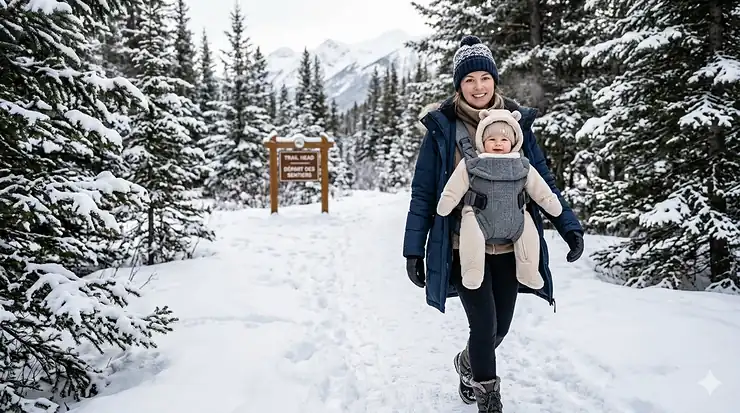
When temperatures plummet to -20°C and snowflakes swirl through the air, Canadian parents face a unique challenge: how do you keep your little one cozy while maintaining the freedom to move? A winter baby carrier transforms cold-weather outings from stressful ordeals into comfortable adventures for both parent and child.
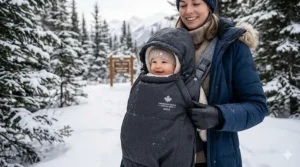
Unlike standard carriers that leave your infant exposed to harsh elements, specialized winter solutions provide essential thermal protection while keeping your hands free for groceries, older siblings, or navigating icy sidewalks. From Vancouver’s wet winters to Winnipeg’s bone-chilling cold, Canadian families need reliable gear that performs when temperatures drop. Health Canada emphasizes the importance of proper positioning and temperature regulation during cold weather babywearing, making the right cover or carrier absolutely essential.
This comprehensive guide explores seven top-rated options available on Amazon.ca, covering everything from budget-friendly covers to premium all-season solutions. Whether you’re tackling the school run through a February blizzard or enjoying a winter hike in the Rockies, you’ll find the perfect thermal baby wearing solution for your family’s needs.
Quick Comparison Table
| Product | Price Range (CAD) | Temperature Rating | Key Feature | Best For |
|---|---|---|---|---|
| Ergobaby All Weather Cover | $65-$75 | Moderate cold | Compact storage pocket | Daily errands |
| 7AM Enfant Pookie Poncho | $80-$110 | -15°C | 3-in-1 versatility | Multi-use families |
| JAN & JUL Waterproof Cover | $55-$70 | Light winter | 10,000mm waterproof | Rainy climates |
| Orzbow Winter Carrier Cover | $35-$50 | -10°C | Budget-friendly | Cost-conscious parents |
| 7AM Enfant K-Poncho | $70-$95 | -15°C | Ergonomic leg pouch | Active lifestyles |
| Bebamour Hoodie Cover | $45-$60 | All-season | Reversible hood | Year-round use |
| Aimshine Winter Cover | $30-$45 | Moderate cold | Ultra-lightweight | Minimalist parents |
💬 Just one click – help others make better buying decisions too!😊
✨ Don’t Miss These Exclusive Deals!
🔍 Take your cold weather babywearing to the next level with these carefully selected products available in Canada. Click on any highlighted item to check current pricing and availability on Amazon.ca. These tools will help you create authentic winter adventures your family will love!
Top 7 Winter Baby Carriers: Expert Analysis
1. Ergobaby All Weather Resistant Carrier Cover
The Ergobaby All Weather Cover represents the gold standard for Canadian parents seeking reliable protection without breaking the bank. This charcoal-coloured cover features a water-resistant ripstop outer shell rated at 3,000mm and a luxuriously soft fleece lining that wraps your baby in warmth.
Key Specifications:
- Water-resistant quilted outer shell with fleece lining
- Removable hood for multiple carry positions
- Self-containing storage pocket
- Compatible with all Ergobaby carriers and most competitive brands
- Available on Amazon.ca for approximately $65-$75 CAD
What sets this cover apart is its thoughtful design for real-world use. The removable hood adjusts for front-inward, front-outward, and back carry positions, while fleece-lined pockets keep parents’ hands warm during frigid walks. Canadian buyers consistently praise how the cover packs into itself for compact storage—perfect when transitioning between outdoor and heated indoor spaces.
Pros:
✅ Lifetime ErgoPromise guarantee
✅ Adjustable hood and foot areas grow with baby
✅ Easy snap attachment system
Cons:
❌ Only suitable for front-inward position according to manufacturer
❌ May require snap adapters for older carriers (pre-2013)
Canadian parent Sarah from Toronto shared: “Used this through two brutal Ontario winters. The compact storage feature is brilliant—no more bulky covers taking up stroller space!”
2. 7AM Enfant Pookie Poncho Cover
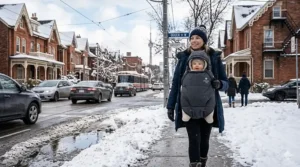
For families seeking maximum versatility, the 7AM Enfant Pookie Poncho delivers exceptional value through its 3-in-1 design. This premium option transitions seamlessly from baby carrier to stroller to car seat, making it ideal for Canadian families constantly on the move.
Key Specifications:
- Temperature rating: -15°C (5°F)
- Two interchangeable hoods for different configurations
- Water-repellent outer shell with micro-fleece lining
- Dimensions: 86cm x 7cm x 87cm (34″ x 2.7″ x 34.2″)
- Suitable from birth to 4T
- Price range: $80-$110 CAD on Amazon.ca
The Pookie Poncho’s genius lies in its adaptability. The larger hood zips on for stroller or car seat use, while the smaller snap-on hood protects babies facing inward in carriers. Hand openings warm both baby’s and parents’ hands—a thoughtful touch during prairie winters when windchill can drop temperatures dangerously low.
Pros:
✅ Extended age range (0-4T) provides years of use
✅ Machine washable for easy maintenance
✅ Vegan and cruelty-free construction
Cons:
❌ Higher price point than basic covers
❌ Bulkier design may feel restrictive in tight spaces
Canadian reviews highlight its performance in extreme conditions. One Edmonton parent noted the cover kept their toddler comfortable during a -25°C morning walk, though they emphasized proper layering underneath remains essential.
3. JAN & JUL Waterproof Baby Carrier Cover
Designed by Vancouver moms who understand West Coast weather, the JAN & JUL Waterproof Cover excels in rainy, damp conditions while providing surprising warmth. This Canadian brand prioritizes safety with PVC, BPA, and fluorine-free construction.
Key Specifications:
- 10,000mm waterproof rating
- Soft fleece lining throughout
- Fleece-lined kangaroo pocket for parent hands
- Reflective safety piping for visibility
- Universal fit with adjustable straps
- Available for $55-$70 CAD on Amazon.ca
The cover’s standout feature is its truly waterproof construction using BIONIC-FINISH® ECO technology from Germany. Unlike water-resistant options that eventually soak through, this cover keeps babies completely dry during extended rainy walks. Zippered side pockets provide convenient storage for keys, phones, or small toys.
Pros:
✅ Industry-leading waterproof protection
✅ 1-year quality guarantee from Canadian company
✅ Eco-friendly, biodegradable DWR coating
Cons:
❌ Less insulation than heavy-duty winter covers
❌ Best suited for milder Canadian winters (coastal regions)
Vancouver parents consistently rate this as their go-to for fall through early spring, noting it performs beautifully in rain and light snow but requires additional layering during harsh cold snaps.
4. Orzbow Winter Baby Carrier Cover
Budget-conscious Canadian families will appreciate the Orzbow Winter Carrier Cover, which delivers impressive features at an accessible price point. This universal cover fits most carriers and includes thoughtful extras like a detachable hood and storage bag.
Key Specifications:
- Waterproof and windproof polyester pongee exterior
- Polar fleece liner for warmth
- Temperature suitable for approximately -10°C
- Detachable reversible hood
- Big pockets for storage
- Price range: $35-$50 CAD on Amazon.ca
Despite its lower cost, the Orzbow doesn’t skimp on functionality. The 5-in-1 design converts to footmuff, car seat cover, nursing blanket, or bassinet protector. Bottom zippers allow older babies’ legs to hang free as they grow, extending the product’s usable lifespan.
Pros:
✅ Exceptional value for money
✅ Multiple colour options including playful animal designs
✅ Universal fit works with major carrier brands
Cons:
❌ Less durable than premium options
❌ Thinner insulation may require extra layering in extreme cold
Canadian buyers on tight budgets praise this as a “surprisingly good” option that handles typical winter conditions well, though Arctic-level temperatures require supplemental warmth.
5. 7AM Enfant K-Poncho Ergonomic Cover
The 7AM Enfant K-Poncho takes its name from kangaroos and koalas, reflecting its specialized design for ergonomic carriers where babies sit with legs wrapped around the wearer. This focused approach delivers superior leg warmth compared to generic covers.
Key Specifications:
- Roomy elasticized leg pouch for scoop-seated position
- Temperature rating: -15°C (5°F)
- Ultra-soft plush lining with premium poly insulation
- Hand slits for parent warmth and baby access
- Corner snaps adjust for smaller babies
- Birth to 3T age range
- Available for $70-$95 CAD on Amazon.ca
What distinguishes the K-Poncho is its understanding of ergonomic positioning. Traditional blankets often bunch awkwardly around babies’ spread legs, but this cover’s elasticized pouch accommodates the natural “M” position recommended for healthy hip development. The adjustable hood faces forward or outward depending on carry position.
Pros:
✅ Specifically designed for ergonomic carriers (Ergobaby, BabyBjörn, etc.)
✅ Maintains proper hip positioning
✅ Water-repellent outer shell handles light precipitation
Cons:
❌ Less versatile than multi-use ponchos
❌ Not ideal for narrow-based carriers
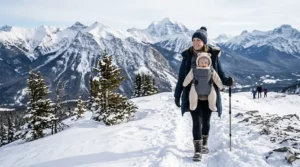
Calgary parents particularly appreciate how this cover performs during active pursuits like winter hiking, where maintaining baby’s ergonomic position matters for extended comfort.
6. Bebamour Baby Carrier Winter Cover
The Bebamour Hoodie Cover offers year-round versatility through its lightweight fabric and multiple configuration options. This dark grey cover provides a middle ground between heavy winter gear and light spring protection.
Key Specifications:
- All-season lightweight design
- Reversible detachable hood
- Large convenience pocket for parents
- Right and left foot zippers for temperature control
- Universal snap attachment
- Suitable for ages 0-5 years
- Price range: $45-$60 CAD on Amazon.ca
The Bebamour’s strength lies in adaptability to changing conditions. Foot zippers close completely during frigid January mornings but open for milder March afternoons. The reversible hood works for front or back carry, while the roomy pocket handles phones, wallets, and small essentials.
Pros:
✅ Extended age range provides excellent value
✅ Works as stroller blanket, nursing cover, or poncho
✅ Easy to clean and maintain
Cons:
❌ Less specialized than dedicated winter covers
❌ May not provide sufficient warmth for extreme cold
Ontario parents favour this for transitional seasons and milder winter days, appreciating its flexibility as temperatures fluctuate between -5°C and 5°C.
7. Aimshine Winter Carrier Cover
Minimalist parents seeking ultra-lightweight protection should consider the Aimshine Winter Cover. This streamlined option prioritizes packability without sacrificing essential warmth.
Key Specifications:
- Ultra-light design with fluffy fleece lining
- Wind and water repellent construction
- Removable baby hood with clips and drawstrings
- 3-in-1 functionality (carrier, stroller, car seat)
- Elastic with toggle for fitted feel
- Newborn to 2 years
- Available for $30-$45 CAD on Amazon.ca
The Aimshine proves you don’t need bulk to stay warm. Its fluffy fleece interior traps body heat effectively while the streamlined exterior cuts wind without adding significant weight. This makes it ideal for parents who value mobility and hate feeling weighed down by excessive gear.
Pros:
✅ Most affordable option on this list
✅ Extremely packable for travel
✅ Clips attach securely to any carrier
Cons:
❌ Limited insulation for severe cold
❌ Shorter age range than competing products
Maritime parents in Halifax and Saint John appreciate this cover for their relatively moderate coastal winters, where temperatures rarely drop below -10°C for extended periods.
Understanding Cold Weather Babywearing in Canada
Canadian winters demand specialized knowledge to keep infants safe and comfortable. According to Health Canada’s baby sling and carrier safety guidelines, maintaining proper positioning becomes even more critical when adding winter layers. Your baby’s face must remain visible and kissable at all times—a safety principle that prevents suffocation risks.
The Science Behind Body Heat Sharing
Babywearing during winter leverages natural thermodynamics. Your body generates approximately 100 watts of heat, functioning as a portable warming system for your infant. Research from Wikipedia on babywearing indicates this practice has kept babies warm for millennia across cold climates, from traditional Inuit amauti garments to modern technical fabrics.
However, this benefit comes with responsibility. Parents must monitor babies’ temperature by feeling the back of their neck—not hands or feet, which naturally run cooler. Signs of overheating include fussiness, red cheeks, sweating, or rapid breathing. Conversely, pale skin, lethargy, or shivering signal your baby is too cold.
Layering Strategies for Canadian Climates
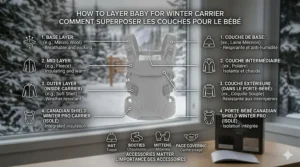
The key to successful thermal baby wearing lies in strategic layering rather than bulk. Dress your baby in one less layer than you’re wearing, as your body heat provides additional warmth. A typical winter outfit might include:
- Base layer: Soft merino wool or cotton onesie
- Middle layer: Fleece or wool sweater
- Outer layer: Winter carrier cover
- Extremities: Warm hat, mittens, and booties
Avoid puffy snowsuits inside carriers, which compress and lose insulating properties while potentially causing overheating. Instead, put the snowsuit on only after removing baby from the carrier.
Choosing Between Under-Coat and Over-Coat Wearing
Canadian babywearers face a fundamental decision: wear baby under your coat or over it with a specialized cover. Each approach offers distinct advantages depending on your climate, carrier type, and lifestyle.
Under-Coat Wearing
Placing baby inside your jacket provides maximum warmth through direct body contact. This method works best with:
- Dedicated babywearing coats with zipper/panel extensions
- Front-facing inward positions
- Younger babies (under 6 months)
- Extended outdoor periods in extreme cold
Manitoba and Saskatchewan parents often prefer under-coat wearing during January and February when temperatures plunge to -30°C or colder. The challenge lies in finding or modifying coats to accommodate baby’s bulk—standard coats simply won’t zip.
Over-Coat Wearing with Covers
Using a carrier cover over your regular coat offers:
- Easier transitions between indoor and outdoor spaces
- Ability to use existing outerwear
- Better temperature regulation in fluctuating conditions
- Works for both front and back carries
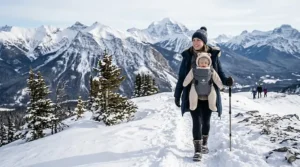
This approach dominates in provinces with more moderate winters like British Columbia and Atlantic Canada. Simply snap the cover onto your carrier, dress baby appropriately, and head outside without wardrobe changes.
Essential Safety Considerations for Winter Babywearing
The “TICKS” Rule Year-Round
Health Canada promotes the TICKS acronym for safe babywearing, which remains crucial even under winter layers:
Tight: Baby held close to your body In view: Face always visible, not covered by fabric
Close enough to kiss: Head near your chin
Keep chin off chest: Prevent airway restriction
Supported back: Baby’s spine naturally curved
Winter gear must never compromise these principles. Regularly check that scarves, hoods, or cover edges don’t obstruct your baby’s airway. The cold makes frequent checks less convenient, but they’re absolutely essential.
Recognizing Cold Stress vs. Overheating
Canadian parents must navigate a narrow temperature range. Babies lose heat rapidly through their large heads and thin skulls, yet they can overheat quickly when bundled excessively. Warning signs include:
Too Cold:
- Pale or blotchy skin
- Hands/feet cold to touch (though not definitive)
- Unusual quietness or lethargy
- Shivering (in older babies)
Too Hot:
- Sweating on neck or back
- Flushed, red cheeks
- Rapid breathing
- Fussiness and discomfort
Touch the back of your baby’s neck every 15-20 minutes during winter outings. It should feel warm but not sweaty. Adjust layers immediately if you detect temperature issues.
Footwear and Stability on Ice
Winter babywearing amplifies the consequences of slipping. Your shifted center of gravity combined with precious cargo demands serious traction. Invest in:
- Ice cleats or grip attachments for boots
- Slip-resistant winter boots with deep treads
- Trekking poles for particularly icy conditions
- Extra caution on sidewalks, stairs, and uneven terrain
Never rush when babywearing in winter conditions. The time lost moving carefully pales compared to injury risks from falling.
Regional Recommendations Across Canada
Atlantic Provinces (Nova Scotia, New Brunswick, PEI, Newfoundland)
Maritime winters bring moderate cold mixed with high humidity and frequent precipitation. Waterproof covers like the JAN & JUL option excel here, handling rain, sleet, and wet snow effectively. Temperature swings from -5°C to 5°C in a single day make versatile, adjustable options essential.
Quebec and Ontario
These provinces experience the full Canadian winter spectrum. Montreal and Toronto endure -20°C cold snaps alongside milder periods. Families benefit from mid-range covers (Ergobaby, Bebamour) that balance warmth with ventilation. Urban parents appreciate compact storage for transitioning between frigid streets and overheated public transit.
Prairie Provinces (Manitoba, Saskatchewan, Alberta)
Prairie winters are legendary for extreme cold and persistent wind. Temperature ratings matter critically here—look for covers rated to -15°C or colder. The 7AM Enfant Pookie Poncho and K-Poncho provide necessary protection for Winnipeg’s -40°C wind chills. Layer aggressively and limit outdoor exposure during extreme cold warnings.
British Columbia
BC’s varied geography creates microclimates. Coastal areas rarely drop below -5°C but endure months of rain—waterproof covers dominate Vancouver parent wish lists. Interior and northern BC face colder, drier conditions requiring traditional winter coverage. The JAN & JUL Vancouver-designed cover perfectly suits coastal needs.
Northern Territories
Yukon, Northwest Territories, and Nunavut demand the most robust winter babywearing solutions. Families often layer multiple covers or invest in custom amauti-style parkas. Extended darkness periods and extreme temperatures (-30°C to -50°C) make traditional Indigenous knowledge invaluable—learning from Inuit babywearing practices provides proven strategies for Arctic conditions.
Benefits vs. Traditional Alternatives
| Feature | Winter Baby Carrier | Stroller in Winter | Car-Only Transport |
|---|---|---|---|
| Warmth | Excellent (shared body heat) | Poor (requires heavy bundling) | Good (heated vehicle) |
| Mobility | Superior (hands free, navigate snow) | Limited (wide paths only) | Very limited (door-to-door) |
| Baby Comfort | High (soothing motion, closeness) | Variable (depends on terrain) | Moderate (strapped in seat) |
| Parental Convenience | High (multitasking possible) | Moderate (bulky equipment) | Low (restricted to car trips) |
| Cost | Low-Medium ($30-$110 one-time) | High (winter stroller + accessories) | Moderate (fuel, parking) |
How to Choose Your Ideal Winter Baby Carrier for Canada
Step 1: Assess Your Climate Zone
Identify your region’s typical winter low temperatures. Coastal BC rarely needs -15°C rated covers, while Prairie provinces absolutely require them. Check historical weather data for your city to understand actual conditions versus occasional cold snaps.
Step 2: Determine Primary Use Cases
Will you primarily run quick errands, take long winter walks, or commute via public transit? Daily grocery trips demand different features than weekend hiking. Consider:
- Average outing duration (under 30 minutes vs. hours)
- Indoor-outdoor transitions (frequent vs. rare)
- Activity level (casual walking vs. vigorous exercise)
- Number of children (multi-tasking needs)
Step 3: Evaluate Existing Gear Compatibility
Check which carriers you already own. Some covers fit universally while others work best with specific brands. Measure your carrier’s dimensions and compare against product specifications. Parents with multiple carriers benefit from universal options.
Step 4: Set Your Budget Range
Quality winter covers span $30-$110 CAD. While premium options offer better durability and features, budget choices perform adequately for typical use. Consider cost-per-use over multiple winters—a $90 cover used daily for three seasons costs roughly $0.15 per outing.
Step 5: Consider Future Needs
Babies grow rapidly, and Canadian families often have multiple children. Covers rated for extended age ranges (0-4T) provide better long-term value. Versatile 3-in-1 designs transition to stroller or car seat use as children outgrow carriers.
Step 6: Read Canadian Customer Reviews
Focus on reviews from parents in similar climates. A cover praised in California may underperform in Calgary. Look for Canadian-specific feedback mentioning temperature performance, ease of use with winter gloves, and how it handles actual snow and ice.
Step 7: Verify Amazon.ca Availability and Shipping
Ensure your chosen product ships to your province without excessive delays or fees. Northern and remote locations sometimes face shipping restrictions or surcharges. Check estimated delivery times, especially if ordering for a specific trip or season start.
Price Range & Value Analysis
Budget Tier ($30-$50 CAD)
Options like Aimshine and Orzbow provide essential protection without premium features. Ideal for:
- Occasional winter users (mild climate or infrequent outdoor time)
- Parents on tight budgets
- Backup covers for grandparents or caregivers
- Families uncertain about babywearing commitment
These covers handle moderate cold adequately but may require supplemental blankets during extreme weather.
Mid-Range Tier ($50-$75 CAD)
Products like Ergobaby All Weather, JAN & JUL, and Bebamour balance features with affordability. Best for:
- Regular babywearers through typical Canadian winters
- Parents wanting quality without premium pricing
- Families with 1-2 children planning moderate outdoor activity
- Those seeking good warranty coverage and durability
This tier represents the sweet spot for most Canadian families.
Premium Tier ($75-$110 CAD)
7AM Enfant Pookie Poncho and K-Poncho justify higher costs through:
- Extended temperature ratings (-15°C and below)
- Multiple years of use (0-4T age ranges)
- Superior construction and materials
- 3-in-1 or specialized ergonomic designs
- Brand reputation and customer service
Worth considering for:
- Harsh climate residents (Prairies, Northern regions)
- Avid outdoor enthusiasts planning frequent, extended use
- Families with multiple children who’ll use the product for years
- Parents prioritizing maximum warmth and versatility
Common Mistakes to Avoid
Overdressing Your Baby
Many well-meaning parents bundle babies in thick snowsuits before adding carrier covers. This creates dangerous overheating. Remember: your body heat plus the carrier plus the cover equals three warming layers. Dress baby in indoor clothing, then add just a hat and the cover.
Ignoring the “Visible and Kissable” Rule
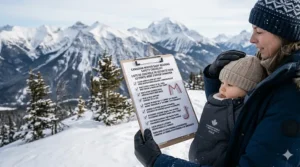
Winter gear tempts parents to tuck babies deep into covers for warmth. Resist this urge. Your baby’s face must remain visible so you can monitor breathing, colour, and responsiveness. Position hoods to shelter from wind without covering the face.
Choosing Fashion Over Function
Adorable patterns mean nothing if a cover fails in -20°C. Prioritize temperature ratings, windproofing, and proper fit over aesthetics. That said, many functional covers now offer attractive designs—you needn’t sacrifice style entirely.
Skipping the Compatibility Check
Not all covers fit all carriers. Verify your specific carrier brand and model appears on the cover’s compatibility list. Universal designs usually work, but specialized covers may not attach securely to certain carriers.
Neglecting Foot Protection
Carrier covers often expose baby’s feet and lower legs to cold air gaps. Always use warm booties or socks, even with full-coverage designs. Tuck pant legs into socks to prevent riding up and creating drafts.
FAQ
❓ Can I use a regular blanket instead of a winter baby carrier cover?
❓ What temperature is too cold for babywearing in Canada?
❓ How do I know if my baby is too hot or too cold in the carrier?
❓ Do winter baby carrier covers fit all carrier brands available in Canada?
❓ Can I breastfeed while using a winter baby carrier cover?
Conclusion: Finding Your Perfect Winter Babywearing Solution
Canadian winters need not confine you indoors with your baby. The right winter baby carrier transforms frigid months into opportunities for fresh air, exercise, and outdoor connection. From Vancouver’s rainy December mornings to Yellowknife’s February deep freeze, families across Canada successfully navigate cold weather while keeping babies safe, warm, and content.
Success hinges on matching products to your specific needs. Coastal families prioritize waterproofing through options like JAN & JUL, while Prairie residents require serious insulation from 7AM Enfant. Budget-conscious parents find reliable protection in Orzbow covers, while those seeking maximum versatility invest in multi-use designs. Every product featured here serves Canadian families well when matched appropriately to climate and lifestyle.
Remember that gear represents only part of the equation. Proper positioning, regular temperature monitoring, and safe practices matter more than premium covers. Study Health Canada’s guidelines, practice at home before venturing into severe cold, and trust your instincts about your baby’s comfort. Winter babywearing rewards prepared parents with closer bonding, easier logistics, and the freedom to maintain active lifestyles year-round.
The investment you make today—whether $35 or $110—pays dividends through countless peaceful walks, errands accomplished with sleeping babies, and the simple joy of experiencing winter’s beauty together. Canadian winters may be long, but with proper preparation, they needn’t separate you from the outdoors you love.
Recommended for You
- 7 Best Baby Carrier for Hiking Canada 2026
- 7 Best Lillebaby Baby Carriers Canada 2026
- Ergobaby Omni 360 Review: 7 Best Baby Carriers Canada 2026
Disclaimer: This article contains affiliate links to Amazon.ca. If you purchase products through these links, we may earn a small commission at no additional cost to you.
✨ Found this helpful? Share it with your friends! 💬🤗
